A guest who encounters an unexpected cash request at reception may question the booking before receiving the keys. The risk becomes greater when existing damage has not been photographed or the deposit conditions remain unclear.
Effective damage deposit verification management at check-in connects pre-arrival disclosure, condition records, secure collection, and signed acknowledgement in one traceable process.
This protects guests from unsupported deductions and gives owners credible evidence when genuine damage occurs. The deposit should be the final confirmation of an agreed process, not a surprise introduced at arrival.
Quick Check: When reviewing your arrival process, book check-in damage deposit management in Phuket only after confirming it includes deposit disclosure, condition photographs, formal receipts, and a documented release process.
Damage Deposit Verification Management at Check-In

Damage deposit verification management at check-in begins before the guest arrives. The booking terms, property condition, collection method, inspection record, and release procedure must agree with one another.
Damage Deposit Verification Workflow
| Stage | Verification required | Evidence retained | Main problem prevented |
| Before booking | Deposit amount, currency, and method disclosed | Listing or booking record | Surprise payment demands |
| Before arrival | Rooms and selected contents inspected | Dated checklist and photographs | Existing damage blamed on guests |
| At key handover | Guest and booking identity confirmed | Arrival record | Deposit assigned to the wrong stay |
| During collection | Cash receipt or card record issued | Transaction confirmation | Disagreement over money co |
| During acknowledgement | Existing defects and rules confirmed | Signed or digital acceptance | Disputes over accepted conditions |
| After checkout | Original inspection sequence repeated | Timestamped comparison evidence | Unsupported damage claims |
| During settlement | Deductions or full release documented | Final statement and invoices | Unexplained withholding |
Disclose the Deposit Before Arrival
A mandatory deposit should not appear for the first time during key handover. The guest needs to know the amount, currency, payment method, purpose, deduction conditions, and release process before travelling to the property.
The listing, booking confirmation, house rules, pre-arrival message, and check-in form should contain consistent terms. A signature collected at reception cannot correct a material condition that was hidden during booking.
Clear guest management for Phuket villa rentals reduces confusion by giving guests one verified set of instructions. The arrival representative should explain the agreed policy rather than adding new conditions.
Match the Policy to the Booking Channel
Direct bookings, hotel reservations, Airbnb stays, and long-term tenancies do not necessarily follow the same deposit process. The property must identify the booking channel before requesting payment.
Most ordinary Airbnb hosts cannot charge a separate security deposit. Certain software-connected hosts may collect a properly disclosed deposit, while hotels may request a disclosed deposit under their standard check-in procedures.
Effective Airbnb rental management in Phuket should check the current platform rules before sending any payment request. A deposit permitted for a direct villa booking is not automatically permitted for an Airbnb reservation.
Complete the Condition Check Before Entry
The pre-arrival inspection establishes the property’s baseline condition. It should take place after cleaning and maintenance have finished but before the guest receives unrestricted access.
Photographs should cover high-value contents, existing defects, furniture, electronics, appliances, keys, access cards, pool areas, and other locations with a genuine damage risk. Broad room photographs provide context, while closer images record individual defects.
Useful rental-property inspection checkpoints keep the inspection consistent between bookings. Recording every minor object adds unnecessary work, so the level of detail should reflect the property’s contents and risk.
Build an Inventory That Proves Condition
An inventory stating “one television” proves little about the item’s identity or working condition. A useful record may include the room, item, quantity, visible condition, accessories, working status, and an identifying detail where necessary.
Serial numbers are appropriate for selected high-value electronics but do not need to be recorded for every household item. Keys, remotes, access cards, and portable equipment should be counted because they are easily misplaced.
Detailed inventories are especially relevant to luxury villa management inclusions in Phuket. High-value properties require enough detail to support a claim without turning the guest’s arrival into a long audit.
Damage Deposit Verification Collection Methods
The collection method determines what evidence must be created at check-in. Cash, card pre-authorisation, and authorised digital collection have different records, release procedures, and guest concerns.
Issue a Formal Receipt for Cash
A cash deposit should never be treated as an informal handover. The guest needs immediate written confirmation that connects the money to the correct property and reservation.
The receipt should record:
- Guest name
- Property or unit
- Booking reference
- Amount and currency
- Collection date and time
- Payment purpose
- Return conditions
- Receipt number
- Receiving staff member
Both sides should retain a copy. The cash should then follow an internal holding and reconciliation procedure instead of being mixed with daily rental income.
Explain Card Holds Clearly
A credit-card pre-authorisation reserves part of the guest’s available credit without necessarily completing a charge. This differs from charging the card and issuing a refund later.
Staff should explain whether the transaction is a hold or a completed charge. The guest should also receive the authorised amount and confirmation when the property releases it.
The property can control when it requests the release, but the issuing bank may control when the amount becomes available again. Staff should not promise an immediate bank release if they cannot guarantee it.
Verify Authorised Digital Requests
An external payment request should match the property, booking, amount, payment processor, and previously disclosed conditions. An unexpected link sent after booking creates a reasonable security concern.
Guests should not be pressured to enter card details into an unverified page. For platform reservations, staff must confirm that off-platform collection is permitted and correctly disclosed.
Reliable short-term rental management in Phuket connects the payment request to the reservation record. The payment method should be verified before the arrival team asks the guest to complete it.
Damage Deposit Collection Records
| Collection method | Required proof | Staff must explain | Main warning sign |
| Cash | Numbered receipt | Amount, holding, deductions, return | No written record |
| Card pre-authorisation | Authorisation confirmation | Hold versus charge and release process | Described incorrectly as a refund |
| Card charge | Payment receipt | Refund | Guest expected only a hold |
| Approved digital collection | Processor and booking record | Why external collection is authorised | Undisclosed link after booking |
| Platform claim process | Platform case record | Evidence and response procedure | Informal payment demand |
Confirm Acceptance Without Delaying Arrival
The guest should acknowledge the deposit policy, house rules, and recorded condition during key handover. The form should confirm previously disclosed terms rather than introduce new financial conditions.
Guests should have a reasonable opportunity to report overlooked defects after entering the accommodation. The reporting period should be stated clearly and supported by a simple communication channel.
A controlled property management operating workflow connects the booking record, inspection, payment, acknowledgement, and key release. This reduces the risk of evidence being stored under the wrong guest or property.
Damage Deposit Verification at Checkout
The checkout inspection must use the same structure as the pre-arrival inspection. Changing the checklist, photographic angles, or evidence standard makes it difficult to establish when damage occurred.
Repeat the Original Inspection Sequence
Inspect the same rooms, items, access devices, and outdoor areas documented before check-in. Wide photographs should establish location, while detailed photographs should show the changed condition.
The inspection record should include the date, time, person completing it, and booking reference. Where practical, the guest can attend the walkthrough and confirm the return of keys or access cards.
This process supports broader Phuket rental-home protection procedures. It protects the owner without assuming that every defect discovered after checkout was caused by the departing guest.
Separate Damage From Normal Wear
A new stain, broken appliance, missing item, and scratched surface should not automatically receive the same treatment. The cause, prior condition, age, repairability, and evidence must be considered.
The assessment should separate:
- New guest-caused damage
- Existing defects
- Ordinary wear
- Humidity or corrosion
- Maintenance failure
- Missing items
- Excessive cleaning beyond the agreed standard
A deposit should not fund general refurbishment or replace aged contents at the guest’s expense. Any deduction must relate to a supported change during the relevant stay.
Support Every Deduction
A general statement such as “damage and cleaning” is not sufficient. Each deduction should identify the affected item or area and connect it to the original condition record.
The evidence file should contain the check-in record, checkout record, damage description, repair or replacement basis, and itemised cost. The guest should receive a written breakdown rather than a single unexplained figure.
Clear rental income and expense reporting keeps deposit movements separate from rent. Owners should see the collected amount, release, deduction, related expense, and remaining balance.
Manage Disputes Without Losing Evidence
A dispute should begin with the records, not assumptions about the guest. Staff should review the booking terms, arrival acknowledgement, photographs, inventory, communication history, and checkout findings.
If the guest challenges a deduction, the property should explain the exact evidence supporting it. Unsupported or exaggerated charges weaken legitimate claims and damage trust.
Clear vacation-rental management responsibilities should identify who communicates with the guest and who can approve a deduction. Several staff members should not send conflicting explanations.
Release Undisputed Funds Promptly
When no damage is found, the property should approve the full release according to the disclosed process. A final statement should still be issued so that the guest knows the inspection has been completed.
When only part of the deposit is disputed, the property should avoid holding the entire amount without a documented reason. Undisputed funds should be handled according to the agreement and applicable payment process.
Consistent rental performance tracking methods can monitor delayed releases, missing receipts, repeated disputes, and incomplete inspections. Recurring failures usually indicate a process problem rather than a single difficult booking.
Damage Deposit Verification by Property Type
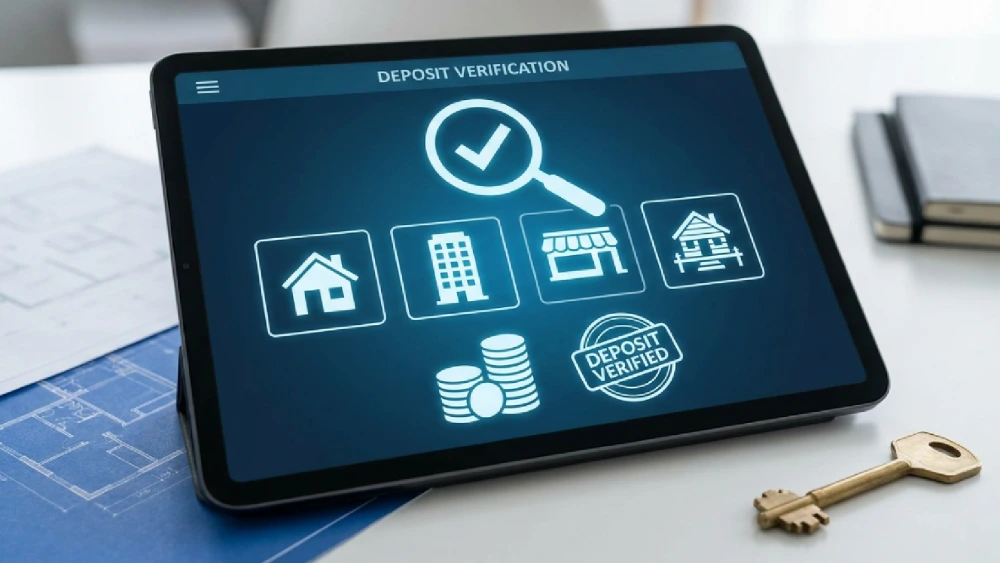
The verification standard should respond to the property’s contents, booking channel, occupancy pattern, and arrival time. One procedure cannot be copied unchanged across houses, villas, condominiums, and platform bookings.
Property Management Oversight
A property manager in Phuket can coordinate the condition record, collection evidence, guest acknowledgement, and owner report. The
Remote owners face greater difficulty checking whether a deposit was handled fairly. Understanding remote Phuket villa ownership risks helps define the photographs, approvals, and financial records the owner should receive.
Rental Houses
A house management company in Phuket may need to verify keys, remotes, appliances, furniture, utility condition, and garden access before handover. The checklist should distinguish a short holiday stay from a residential tenancy.
Deposit documentation should remain connected to the correct agreement. Residential tenancy deposits should not be presented as if they follow the same process as a nightly villa booking.
Housekeeping Verification
vacation rental housekeeping in Phuket can support the process by reporting d
The final deduction decision should not rely on a cleaner’s unsupported message. The report must be compared with the pre-arrival evidence and reviewed by an authorised person.
Airbnb Bookings
A luxury airbnb manager in Phuket should verify current platform rules, deposit disclosure, payment permissions, and claim deadlines. Ordinary hosts should not copy deposit methods used for direct reservations without confirming that Airbnb permits them.
Related Airbnb management support for villa owners can connect guest communication, condition evidence, platform claims, and owner reporting
Condominium Stays
condominium property management in Phuket may require separate records for unit contents, building access cards, parking permits, keys, and shared-facility rules.
The guest’s deposit should not be confused with unrelated condominium fees or building charges. Any potential deduction must be disclosed and tied to the correct responsibility.
Luxury Villas
luxury villa management in Phuket may require detailed records for artwork, electronics, kitchen equipment, furniture, pool areas, and multiple access devices.
The process should remain practical for guests. High property value supports better evidence, but it does not justify an unexplained deposit or excessive check-in delay.
Pool Condition
A pool cleaning service Phuket can document pre-arrival water condition, equipment, covers, furniture, and visible damage around the pool.
Routine water changes, weather effects, or equipment failure should not automatically become guest damage. The evidence must show a guest-related change during the stay.
Garden and Outdoor Areas
A vacant property garden maintenance service in Phuket can record outdoor furniture, lighting, gates, irrigation components, and existing storm or plant damage before arrival.
Natural leaf fall, weather effects, and ordinary plant growth should be separated from guest-caused damage. The condition report should identify pre-existing outdoor defects clearly.
Round-the-Clock Arrivals
A 24 hour check-in villa near me in Phuket needs the same verification standard at midnight as during daytime arrival. Staff should have access to the correct booking, deposit terms, condition report,
Late arrival should not become a reason to skip documentation or introduce different conditions. The handover can remain efficient when the records are prepared before the guest reaches the property.
Damage Deposit Verification Across Phuket
The service can support arrivals across Bang Tao, Laguna Phuket, Cherng Talay, Surin, Kamala, Patong, Kathu, Chalong, Saiyuan, Rawai, Friendship Beach, Nai Harn, Ya Nui, Kata, Karon, Mai Khao, Thalang, and surrounding areas.
The same deposit principles apply across the island, but the inspection scope should match the property. A compact condominium requires a different inventory from a large pool villa with several outdoor areas and high-value contents.
Put a Verifiable Check-In Process in Place
A deposit process should make the next step clear to both the guest and owner. Confirm the disclosure, collection method, condition evidence, deduction standard, and release procedure before the next arrival.
You can arrange damage deposit verification for Phuket villas when you need documented handover support that remains consistent during daytime and late-night check-ins. Review the agreed scope before the first booking is processed.
Damage Deposit Verification FAQs
Can damage deposit verification use cash at check-in?
Damage deposit verification can use cash when the booking terms and applicable channel rules permit it. The amount, currency, purpose, deduction conditions, and return pro
Can damage deposit verification use an external link?
Damage deposit verification may use an external payment link only when the collection method is permitted, properly disclosed, and connected to a verified processor. This is especially important for Airbnb reservations because most ordinary hosts cannot collect separate security deposits. Guests should verify unexpected links through the original booking channel rather than entering card information under pressure at check-in.
Should damage deposit verification record serial numbers?
Damage deposit verification does not require serial numbers for every object. They can help identify selected high-value electronics or portable equipment, but room, item, quantity, visible condition, accessories, and working status are often more useful. Recording unnecessary details can delay check-in without improving evidence. The inventory depth should reflect the item’s value, portability, and actual risk.
Can damage deposit verification cover normal wear?
Damage deposit verification should distinguish normal wear from a new change caused during the guest’s stay. Aged furniture, humidity, corrosion, routine maintenance failure, and pre-existing marks should not automatically be charged to the guest. The assessment should compare dated check-in and checkout evidence, consider the item’s previous condition, and document why the reported issue qual
How should damage deposit verification handle cleaning?
Damage deposit verification should separate ordinary turnover cleaning from unusual cleaning caused by a condition outside the agreed standard. A general cleaning charge is not enough. The property should identify the affected area, show its check-in and checkout condition, explain why the work exceeded routine preparation, and provide an itemised cost when making a deduction.
What if damage deposit verification happens after departure?
Damage deposit verification can be completed after departure when a joint walkthrough is impractical, but the procedure should be disclosed in advance. The property should state the inspection window, use the original checklist, capture timestamped evidence, and send any claim promptly. The guest must receive enough detail to understand the finding and challenge unsupported deductions.