Tenant problems in Phuket condos usually start before anyone notices damage, unpaid bills, or building complaints. A serious manager acts early through Onboarding and Legal Compliance, tenant rule control, repair routing, and billing documentation. The experienced solution is a clear tenant system that protects the owner, respects the tenant, and keeps the juristic office relationship stable. Every step protects the unit before small confusion becomes a costly dispute.
Condo Owner Tip: Need smoother tenant handling, clearer rule control, and fewer condo rental disputes in Phuket? Explore how our property management services support tenant onboarding, juristic coordination, utility tracking, and move-out checks.
How Condo Managers Handle Tenants in Phuket, Thailand?
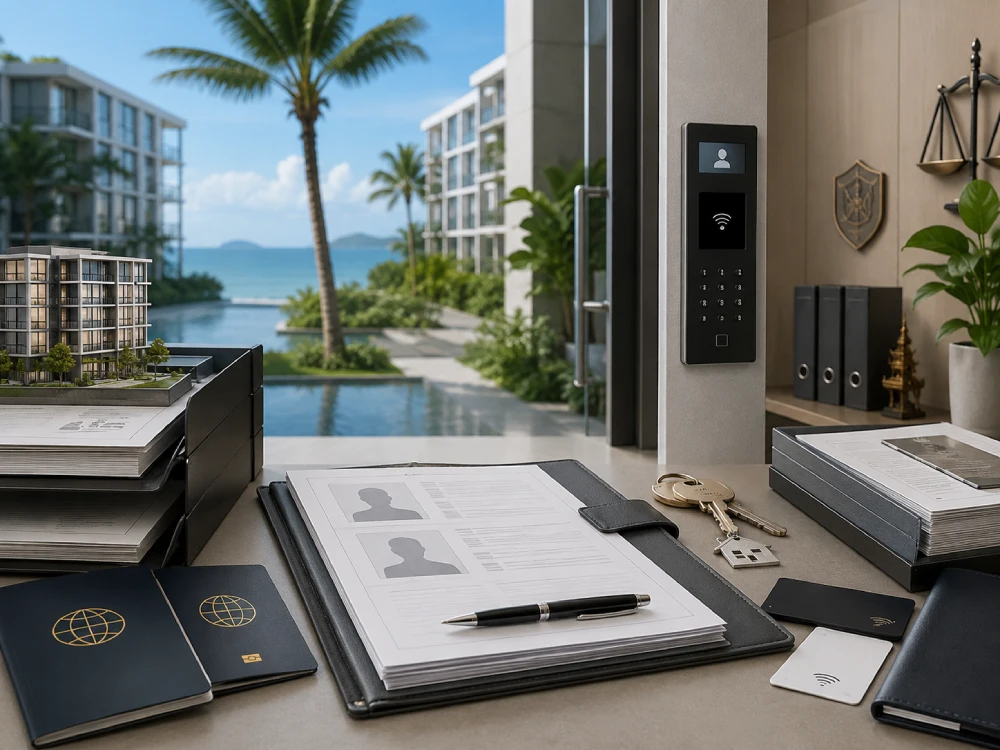
Phuket condo tenant handling is not casual rent collection. It is a structured process built around tenant identity, rental purpose, legal records, juristic-office rules, communication, utility use, repairs, access control, and final condition evidence.
Owners who need complete local oversight can use condominium management in Phuket to connect tenant communication with private-unit inspections, billing, repairs, access cards, building notices, and owner reporting.
The wider property manager duties overview explains how tenant handling connects with maintenance, financial records, contractor coordination, inspections, and owner accountability.
Phuket Condo Tenant-Control Map
| Tenant Risk Point | What Can Go Wrong | Manager Control Step |
| Legal onboarding | Missing identity details or unsuitable rental use | Verify documents, occupants and stay type |
| Juristic rules | Noise, parking, pet or visitor complaints | Explain rules and record warnings |
| Communication | Tenant, owner and building receive mixed messages | Set one written communication chain |
| Utility billing | Water, electricity or internet becomes disputed | Record meters, invoices and balances |
| Repairs | Responsibility is unclear | Separate owner, tenant and building duties |
| Access control | Lost cards, keys or unknown visitors | Log and deactivate access items |
| Deposit settlement | Cleaning, damage or bills cause arguments | Compare move-in and move-out evidence |
| Remote ownership | Decisions and approvals are delayed | Send reports, options and action requests |
A clear property management operating model assigns each task to a responsible person and defines when the owner, tenant, manager, contractor, or juristic office must act.
Tenant Control Starts Before Move-In
A reliable process begins before the tenant receives a key or access card. The manager confirms who will occupy the unit, the intended rental period, payment readiness, contact details, emergency contacts, and whether the proposed use fits the building.
This prevents the wrong tenant or rental model from entering a building that cannot support it. It also creates an evidence trail before rent, utilities, repairs, or conduct become disputed.
Identity, Occupants and Stay Type
Managers should record the tenant’s legal name, identification or passport details, contact information, rental dates, and agreed occupant count. Foreign-language documents should be checked carefully rather than interpreted through assumptions.
The manager should also distinguish between a long-term tenant, monthly occupant, corporate rental, and short-stay guest. Each arrangement creates different communication, access, billing, cleaning, and building-rule demands.
Owners assessing whether they can manage these requirements personally can review the rental management decision factors.
TM30 and Foreign-Tenant Records
Thailand’s residence-notification process applies when qualifying foreign nationals stay at a property. The responsible owner, landlord, household head, or accommodation manager must complete the required notification within the applicable period.
A condo manager may collect passport information, arrival details, lease dates, accommodation information, and owner authorisation. The management agreement should state who files the notification and who stores the evidence.
Thailand Immigration states that the notification must generally be made within 24 hours of the foreign national’s arrival.
Tenant information should be stored securely and used only for legitimate rental, building, reporting, or dispute-management purposes.
Lease Terms Must Match the Operation
The lease should explain rent dates, deposit conditions, utilities, access procedures, occupants, pets, smoking, maintenance responsibilities, inspection arrangements, notice requirements, and move-out steps.
Vague contracts create arguments because the tenant and owner may have different expectations. A manager should explain the practical meaning of important clauses before signing rather than waiting for a breach.
The pet policy management process helps owners connect animal permissions with cleaning, noise, shared areas, waste, damage evidence, and condominium restrictions.
Juristic Rules Require Early Coordination
Condominium tenants share entrances, lifts, parking, pools, gyms, corridors, waste areas, and security systems with other residents. Their behaviour can therefore create problems beyond the private unit.
The Condominium Juristic Person may administer common property, building access, notices, shared facilities, parking, and registered building regulations. The exact rules vary by development and should be checked directly.
Thailand’s Department of Lands publishes the Condominium Act and official guidance on condominium juristic governance.
Rules Tenants Need Before Handover
Tenants should receive clear written guidance covering:
- Access cards and visitor registration
- Parking and vehicle identification
- Lift and common-area use
- Swimming-pool and gym rules
- Rubbish and recycling procedures
- Noise and quiet periods
- Pets and animal access
- Smoking restrictions
- Balcony use
- Deliveries and contractors
- Parties and additional occupants
- Lost-key or card replacement
The manager should obtain the current building regulations rather than copying rules from another condo.
One Communication Chain Prevents Confusion
Many disputes grow because communication is scattered. The tenant contacts the owner, the owner messages an agent, the juristic office contacts another person, and nobody knows who approved the final action.
A tenant should have one primary contact for rent, utilities, repairs, access, and rules. The manager then escalates only the issues requiring owner approval or juristic-office coordination.
Important communication should remain in writing. This includes payment reminders, access notices, complaints, repair requests, warnings, and agreed actions.
Owners needing wider local coordination can use property management in Phuket to connect tenant communication with inspections, contractors, finances, and property condition.
Firm Rules Without Unnecessary Conflict
Good enforcement is clear and consistent rather than aggressive. The manager should explain the rule, describe the reported conduct, request corrective action, and retain a written record.
Common conflict areas include noise, smoking, pets, parking, rubbish, shared facilities, balcony use, parties, and unregistered visitors.
Repeated breaches may require coordination with the owner, building manager, juristic committee, or qualified legal adviser. The manager should not threaten consequences that are unsupported by the lease or applicable rules.
Rent, Utilities and Deposits Need Evidence
Money disputes often come from incomplete records rather than complicated calculations. Managers should track rent, deposits, invoices, meter readings, building charges, internet costs, replacement access items, and final balances.
The lease must identify which costs belong to the tenant and which remain the owner’s responsibility.
Rent Tracking
Rent control starts with the agreed due date, payment method, reference information, and late-payment procedure.
The manager should record when payment was received and provide the owner with an organised rent statement. Informal screenshots without a payment ledger can become difficult to reconcile over a long tenancy.
Late payments should be addressed consistently. The manager should follow the lease and applicable legal process instead of relying on emotional messages or improvised penalties.
Utility Meter Records
Managers should record available electricity and water meter readings at move-in and move-out. Dated photographs reduce disagreement about which consumption belongs to which tenant.
Water may be billed through the juristic office, while electricity and internet may follow different billing routes. The lease should explain who receives each invoice, who pays it, and how the final balance is calculated.
Utility disputes are easier to prevent when the tenant receives copies of relevant bills and the calculation method.
Preventive checks, bill monitoring, and early repair reporting can also support property expense reduction methods.
Deposits Must Be Linked to the Contract
A deposit should not become an undefined fund that the owner can deduct from without explanation. Any reduction should be tied to the lease, documented damage, outstanding bills, missing access items, or agreed cleaning requirements.
The manager should retain the move-in condition report, move-out photographs, utility records, repair invoices, cleaning receipts, and a final itemised statement.
The amount, permitted deductions, and return process should be defined in the signed agreement. Formal advice may be necessary when the contract or circumstances are disputed.
Owners comparing management agreements should also review the management percentage basics to understand which tenant, billing, inspection, and repair duties are included.
Repairs Must Be Routed Correctly
Condo repairs can affect the tenant, owner, neighbouring units, and common building systems. A small water leak may require faster action than an ordinary appliance complaint.
The manager should first identify whether the issue is urgent, routine, tenant-caused, owner-maintained, or connected to a common building system.
Separate Repair Responsibility
A practical repair assessment considers:
- The affected item or system
- The cause of the fault
- The age and previous condition
- Whether misuse was involved
- Whether the lease assigns responsibility
- Whether the issue affects another unit
- Whether the building controls the system
- Whether immediate safety action is required
Tenant-caused damage should not be confused with normal wear. Owner equipment failure should not automatically be charged to the tenant.
The property repair coordination process explains how a fault should move from initial evidence to approval, contractor attendance, testing, and final reporting.
Urgent Condo Problems
Urgent conditions may include active water leaks, electrical hazards, lockouts, failed water heaters, serious AC leakage, blocked drainage, and faults affecting neighbouring units.
The manager may need to contact the juristic technician before an outside contractor. Building access, work hours, lift protection, contractor registration, and common-system responsibility should be confirmed.
Owner emergency-spending limits should be agreed in advance. This prevents active damage from continuing while the manager waits through a time-zone delay.
Inspections Must Respect Privacy
Inspections protect the unit, but entry must be managed carefully. Routine access should follow the lease, agreed notice procedures, building requirements, and applicable law.
Emergency entry should be limited to genuine urgent risks, such as active leaks, fire or electrical danger, security failure, or damage affecting another property.
Managers should not enter simply because the owner wants an unplanned look at the unit.
What a Condo Inspection Checks
A condition inspection may examine:
- AC performance and drainage
- Plumbing and bathroom seals
- Signs of moisture or mould
- Walls, ceilings and flooring
- Appliances and fixed equipment
- Balcony drainage
- Furniture condition
- Keys and access cards
- Safety concerns
- Unreported repairs
- Lease-rule concerns
The inspection priorities during property checks provide a structured way to record physical condition, maintenance needs, safety concerns, evidence, and follow-up actions.
Inspection photographs should focus on the property condition. Managers should avoid unnecessary photographs of passports, financial papers, computer screens, medication, or unrelated personal belongings.
Access Control Protects the Unit
Keys, access cards, parking passes, mailbox keys, lift cards, remotes, and smart-lock codes must be logged.
The handover record should state which items the tenant received and the replacement procedure if something is lost.
Access codes should be changed when the tenancy ends. Lost cards should be deactivated where possible so they do not create continuing security risks.
Short-stay units may require a more active arrival system. Professional 24-hour check-in in Phuket can support delayed arrivals, key problems, guest directions, and secure local access.
Short-Stay Guests Need a Different System
Long-term tenant management and short-stay hosting should not be treated as identical operations.
Short stays involve more frequent arrivals, cleaning turns, guest messaging, access changes, inspections, linen movement, and potential building-rule concerns.
Airbnb confirms that authorised co-hosts may manage reservations, guest messages, pricing, calendars, cleaning, maintenance, and onsite support.
Owners operating an appropriate short-stay model may use Airbnb management in Phuket to connect guest communication with listing control, check-in, housekeeping, maintenance, and reporting.
The manager must still verify the building rules and legal position applying to the specific property. Platform access does not override condominium regulations or Thai requirements.
Move-Out Checks Close the Tenant File
Move-out is where weak records become expensive. Both parties may disagree about scratches, stains, cleaning, missing objects, bills, or access cards when the original condition was never documented.
A proper closing process compares the final unit condition with the signed move-in record.
Final Condition Comparison
Managers should inspect:
- Floors and walls
- Curtains and blinds
- Mattresses and sofas
- Appliances
- Bathroom fixtures
- Kitchen items
- Furniture and electronics
- Balcony areas
- Keys, cards and remotes
- Owner inventory
Normal deterioration should be separated from misuse or negligence. The age, previous condition, function, and cause of the problem all matter.
Reliable housekeeping services in Phuket can provide final cleaning where the lease requires it and produce clearer evidence of remaining damage or maintenance needs.
Final Settlement
The manager should collect access items and check available balances for electricity, water, internet, cleaning, replacement cards, and approved repair costs.
Any deduction should appear in an itemised statement supported by the relevant record. Unsupported lump-sum deductions create avoidable conflict.
The tenant should receive a clear explanation of the closing calculation. The owner should receive copies of the supporting evidence.
Remote Owners Need Controlled Reporting
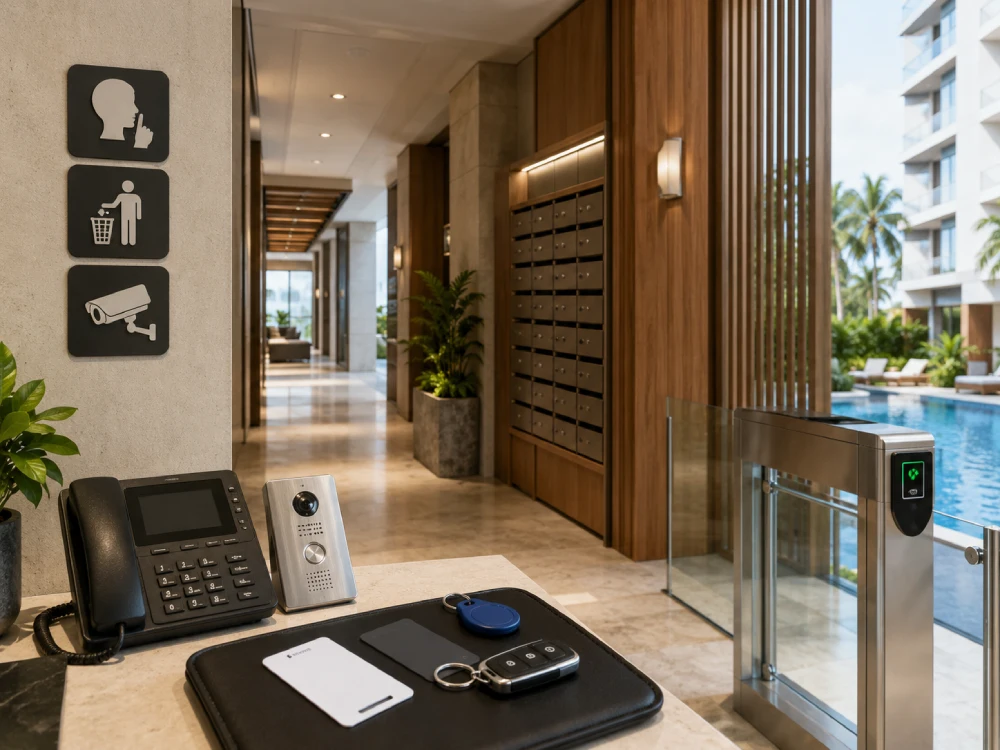
Many Phuket condo owners live outside Thailand and cannot inspect units, meet technicians, translate notices, chase bills, or communicate with the juristic office personally.
The manager becomes the local control point, but that authority must remain measurable.
Owner Reports and Approvals
Owners should receive:
- Rent-payment status
- Utility and building charges
- Tenant complaints or breaches
- Repair requests and photographs
- Owner approvals
- Contractor invoices
- Inspection findings
- Access problems
- Move-out evidence
- Open actions
The property performance tracking methods can connect tenant records with payment status, repair response, expenses, recurring issues, and unresolved decisions.
A good report does not send every minor tenant message to the owner. It explains what happened, what action was taken, what cost is involved, and whether a decision is required.
Different Properties Need Different Systems
Condo tenant management should remain centred on private-unit condition, juristic rules, access systems, utilities, and shared-building coordination.
Owners with mixed portfolios should not apply the same checklist to every property type.
Villas
Villas carry wider outdoor responsibilities, including pools, gardens, gates, private drainage, pumps, exterior lighting, and larger arrival areas.
Owners with detached pool properties may require villa management in Phuket for inspections, repairs, staff coordination, security, guest support, and exterior care.
Scheduled pool cleaning in Phuket applies to private-pool properties where the owner controls the pool rather than a condominium juristic team.
Regular gardening and maintenance in Phuket is relevant to villas and houses with private landscaping, irrigation, pathways, and outdoor drainage.
Houses
Detached houses may remain vacant for longer periods and require structural checks, garden control, security, utilities, keys, and storm preparation.
Local house management in Phuket can provide oversight when the property does not have a condominium office managing common systems.
The house rental management workflow explains how detached-home preparation, inventory, tenant rules, inspections, maintenance, and records should connect.
Warning Signs of Weak Tenant Management
Owners should review the management process before severe damage or a major dispute occurs.
Common warning signs include:
- Missing move-in records
- No written tenant contact process
- Unexplained utility charges
- Repairs without photographs or invoices
- Repeated juristic complaints
- Missing access cards
- Delayed owner updates
- Unclear deposit calculations
- No final meter readings
- No evidence after contractor work
- Inspections without defined scope
- Repeated unresolved maintenance
A strong manager follows schedules and records instead of acting only when the tenant or owner complains.
Final Condo Tenant-Management Checklist
Before move-in:
- Verify the tenant and authorised occupants.
- Confirm the stay type and building suitability.
- Sign a clear lease.
- Explain juristic rules.
- Photograph the unit.
- Record inventory and meter readings.
- Log keys and access cards.
- Confirm TM30 responsibility where applicable.
During the tenancy:
- Use one communication chain.
- Track rent and utilities.
- Route repairs correctly.
- Keep written records.
- Coordinate with the juristic office.
- Inspect according to the agreement and applicable requirements.
- Escalate repeated breaches consistently.
- Report important matters to the owner.
At move-out:
- Inspect against the original condition.
- Record final meter readings.
- Collect keys, cards and remotes.
- Check cleaning and inventory.
- Document damage.
- Settle outstanding bills.
- Prepare an itemised final statement.
- Close all repair and access actions.
The most reliable tenant system protects the owner without treating the tenant unfairly. Every important decision should be supported by the lease, building rules, clear communication, and verifiable evidence.
Frequently Asked Questions
1. How do condo managers stop tenant-rule problems early?
Managers explain the building rules before move-in and provide them in writing. The tenant should understand requirements covering noise, pets, smoking, parking, visitors, common facilities, rubbish, and access cards. Early explanation is more effective than introducing rules only after a complaint.
2. Who handles TM30 for a foreign condo tenant?
Responsibility may sit with the owner, landlord, household head, or authorised accommodation manager, depending on the arrangement. The management agreement should state who collects the information, submits the notification, and retains the evidence. The process should be confirmed before the foreign tenant arrives.
3. Who pays for AC or plumbing repairs in a condo?
Responsibility depends on the cause, lease terms, equipment ownership, and whether the fault is inside the unit or part of a common building system. Tenant-caused damage may be chargeable to the tenant, while ordinary equipment failure may remain the owner’s responsibility. The manager should document the cause before allocating the cost.
4. How are utility bills settled when a tenant moves out?
The manager records final meter readings, collects available invoices, and checks electricity, water, internet, and relevant building charges. These figures are compared with the lease and the tenant’s payment records. Any outstanding amount should appear clearly in the final settlement.
5. Can a condo manager enter the unit for an inspection?
Routine entry should follow the lease, agreed notice process, building requirements, and applicable law. Emergency entry may be necessary when there is an active leak, security problem, electrical danger, or another urgent risk. Managers should document why entry occurred and what was found.
6. What evidence supports a deposit deduction?
Useful evidence includes the signed move-in report, dated before-and-after photographs, inventory records, meter readings, invoices, repair estimates, cleaning receipts, and proof of missing access items. The deduction should be itemised and connected to the lease rather than based on a general claim that the unit was damaged.