Property owners often hire management companies without understanding who controls rent, repairs, tenant decisions, records, or contractor access. That creates risk when fees are unclear, maintenance is delayed, or the owner cannot see what is happening.
A properly structured company operates through a written agreement, defined staff roles, central software, financial controls, and a documented maintenance process. Each request should move from the tenant to the right team, then back to the owner through evidence and reporting. The quality of that operating system matters more than the company’s promises.
Quick Check: Before appointing a provider, compare property management services that clearly define legal authority, fees, software access, maintenance approvals, and owner reporting.
How Do Property Management Companies Operate?
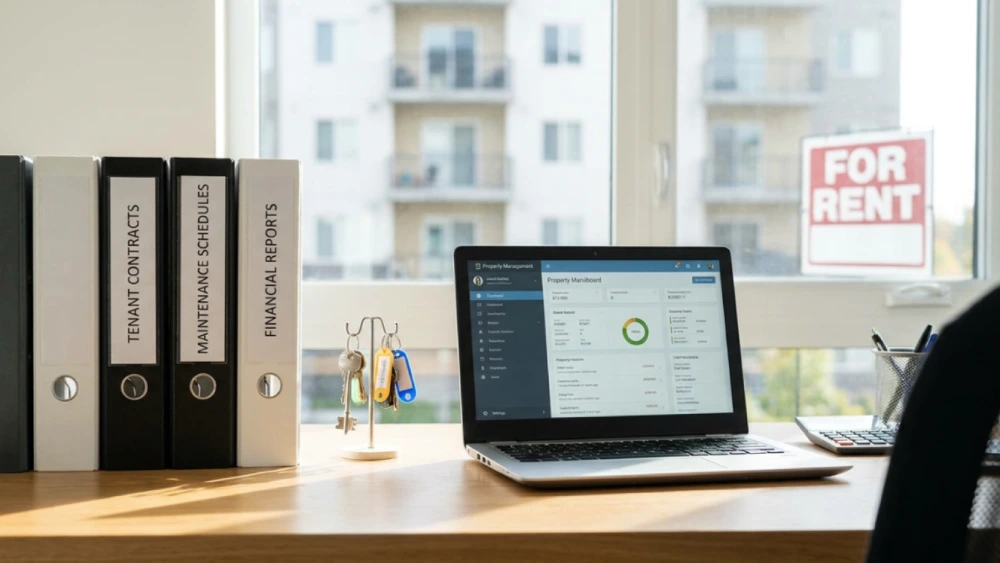
A property management companies operation has three connected parts. The contract creates authority and compensation, technology organises information, and daily teams control rent, tenants, maintenance, inspections, risks, and owner updates.
Real Operational Problems by Engagement
| Priority | Real Operational Problem | Strongest Reddit Signal | Company Response Required |
| 1 | Owners lack legal and maintenance experience | 32 upvotes | Clear procedures and specialist escalation |
| 2 | Owners need distance from tenant conflict | 13 upvotes | One managed communication channel |
| 3 | Owners lack time for daily work | 11, 9 and 7 upvotes | Defined leasing, finance and maintenance roles |
| 4 | Repairs need faster local coordination | 32, 9 and 6 upvotes | Contractor network and repair workflow |
| 5 | Remote owners cannot attend the property | Several 6 and 4-upvote comments | Local inspections and photographic reporting |
| 6 | Leasing and screening need consistency | Several 6 and 9-upvote comments | Documented applicant and lease process |
| 7 | Owners need financial visibility | Detailed 4-upvote owner account | Statements, invoices and approval records |
| 8 | Weak managers can create new problems | Several detailed experiences | Vetting, monitoring and termination controls |
The legal and compensation model defines what the company may do, what requires owner approval, how it is paid, and how the relationship ends. Without this foundation, staff may delay urgent work or spend beyond the owner’s expectations.
The technology stack holds leases, applications, rent records, maintenance tickets, invoices, photographs, messages, and owner reports. It gives each authorised user access to the information needed for their role.
The daily operating system handles tenant communication, rent collection, leasing, maintenance, inspections, contractor access, and owner decisions. These activities should follow documented steps rather than depend on one employee’s memory.
The property manager role explanation helps owners identify the individual duties that sit inside this wider company structure.
Legal Model of Property Management Companies Operation
The legal model establishes the relationship between the owner and the company. It should define authority, fees, duties, financial controls, repair limits, record access, dispute handling, and the final handover process.
The Agreement Creates Authority
A property management agreement gives the company permission to perform specific tasks on behalf of the owner. It does not give unlimited control over the property.
The agreement should identify whether the manager can:
- Advertise the property
- Conduct viewings
- Process applications
- Recommend or approve tenants
- Sign leases
- Collect rent
- Issue routine notices
- Arrange maintenance
- Approve repairs within a limit
- Enter the property for authorised purposes
- Coordinate contractors
- Pay approved expenses
- Communicate with building management
- Provide records to the owner
Owners seeking property management in Phuket should confirm which duties are included and which decisions remain under direct owner control.
Major renovations, changes to rental strategy, legal disputes, insurance claims, structural work, or substantial expenditure should normally require specific owner approval.
The manager must also know when the issue falls outside normal operational work. Legal interpretation, tax advice, structural assessment, and specialist technical work may require qualified external support.
Compensation Must Match the Scope
Management companies may charge a percentage, a fixed fee, a leasing charge, or a combination of fees. The payment model should correspond with visible work and clearly defined services.
The management commission overview helps owners assess the percentage alongside tenant placement, reporting, inspections, maintenance coordination, and other charges.
A complete fee schedule should identify:
- Recurring management charges
- Tenant-placement charges
- Lease-renewal fees
- Advertising costs
- Inspection charges
- Emergency attendance
- Maintenance coordination
- Contractor markups
- Cleaning costs
- Financial administration
- Contract cancellation
- Final record handover
A fee is not automatically unreasonable because it appears separately. The concern is whether it was disclosed, authorised, and connected to completed work.
The budget efficiency in property management guide explains how preventive maintenance, contractor comparison, and repeat-fault tracking can support better expense control.
Authority and Accountability Must Match
A company cannot be held fully responsible for outcomes when it has no authority to contain urgent damage, contact contractors, or obtain owner decisions.
The agreement should separate:
| Decision Type | Company Authority | Owner Involvement |
| Routine communication | Company handles directly | Reported when relevant |
| Minor maintenance | Within agreed spending limit | Included in owner report |
| Emergency containment | Immediate action where authorised | Owner notified promptly |
| Major replacement | Diagnosis and options prepared | Written approval required |
| Tenant selection | Screening and recommendation | According to agreed authority |
| Rent adjustment | Market recommendation | Owner approval |
| Legal dispute | Records and coordination | Specialist and owner direction |
| Contract termination | Handover under agreed process | Owner controls final decision |
Repair limits should be practical. A company must be able to stop active damage without using emergency authority to approve major non-urgent expenditure.
The repair management workflow shows how a fault should pass through assessment, approval, contractor work, testing, and closure.
Owners Still Need Oversight
Hiring management does not remove the owner’s need to review reports, major expenses, property condition, and company performance.
Owners should receive information that allows them to confirm:
- What happened
- Who handled it
- What authority was used
- What was spent
- What evidence was collected
- What remains unresolved
- Which owner decision is required
Professional management should reduce daily involvement while preserving strategic control.
Property Management Companies Operation: Tech Stack
The technology stack creates one organised record of tenants, leases, payments, requests, repairs, inspections, expenses, and owner decisions. The system should support people and processes rather than hide weak service behind automation.
One System Holds the Records
A central property-management platform may contain:
- Property and unit information
- Owner contact details
- Applicant records
- Tenant information
- Lease documents
- Payment history
- Outstanding balances
- Maintenance requests
- Contractor invoices
- Inspection photographs
- Owner approvals
- Communication history
- Financial statements
- Access permissions
Without one central system, information becomes scattered across personal emails, messaging applications, spreadsheets, paper files, and staff devices.
The property performance reporting structure helps owners connect operating data with rent, expenses, repairs, response times, inspections, and unresolved concerns.
Tenant Portals Control Requests
Tenant portals can provide a consistent channel for:
- Rent payments
- Maintenance requests
- Document access
- Contact updates
- Notices
- Renewal communication
- Payment history
A maintenance request should include the affected area, description, photographs where useful, access information, and whether the problem presents an immediate risk.
The portal creates a time-stamped record. This reduces disputes about when the issue was reported and what response the tenant received.
For short-stay operations, Airbnb management in Phuket may connect platform reservations with calendars, guest communication, cleaning, maintenance, and owner reporting.
Owner Portals Improve Visibility
An owner portal may provide access to:
- Monthly statements
- Rent received
- Expenses
- Contractor invoices
- Inspection reports
- Maintenance updates
- Lease documents
- Open approvals
- Property photographs
The portal should not replace direct communication during an emergency or major decision. Owners should receive a clear message when immediate attention is required.
Remote owners need enough context to understand an expense. A number on a statement is less useful without the fault description, approval, invoice, and completion evidence.
Permissions Protect Sensitive Data
Not every employee or contractor needs access to every record. The system should use role-based permissions so each person sees only what is required for their work.
A leasing employee may need applicant and viewing information. A maintenance contractor may need the fault description and access instructions but should not receive full financial records.
Access should be removed when an employee, tenant, or contractor no longer needs it. Smart-lock codes, portal accounts, shared folders, and administrator permissions should be included in the exit process.
Managed 24-hour check-in in Phuket also requires secure access records, identity checks, backup procedures, and controlled key or code release.
Technology Cannot Replace Inspection
Software can record that an inspection occurred, but it cannot guarantee that the inspection was detailed or accurate.
The company should define:
- Which areas must be checked
- Which photographs are required
- How faults are graded
- Who receives the findings
- How actions are assigned
- When completion is verified
The property inspection focus areas provide a useful structure for recording condition, maintenance, safety, damage, and follow-up requirements.
Property Management Companies Operation: Daily Control
Daily control covers money, tenants, leasing, repairs, inspections, vendors, and owner reporting. Each task should enter a defined workflow, reach the responsible person, and close with records that another authorised employee can review.
Financial Operations Follow a Cycle
A normal financial cycle may include:
- Rent is charged according to the lease.
- The tenant pays through an approved method.
- The system records the payment.
- Outstanding balances are identified.
- Authorised expenses are deducted.
- Invoices are attached to the relevant property.
- The management charge is recorded.
- Net funds are transferred to the owner.
- A statement is issued.
- Open financial issues remain visible.
The owner report should separate income from expenses. It should not combine repairs, fees, utilities, and other deductions into one unexplained total.
Monthly Owner Statement Structure
| Report Area | Information the Owner Should See |
| Rent | Amount charged, received and outstanding |
| Management fees | Calculation and billing period |
| Leasing charges | Tenant-placement or renewal costs |
| Maintenance | Fault, contractor, invoice and approval |
| Utilities | Property-related bills paid |
| Deposits or reserves | Balance and movement where applicable |
| Owner payment | Net amount transferred |
| Open items | Arrears, quotations and pending approvals |
| Property concerns | Repeat repairs or expected future costs |
Any maintenance markup, supplier relationship, discount, or related-party arrangement should be disclosed in line with the agreement.
Leasing Moves Through a Pipeline
A structured leasing operation may include:
- Inspecting the property
- Reviewing rent and rental conditions
- Preparing an accurate listing
- Publishing the property
- Answering enquiries
- Conducting viewings
- Collecting applications
- Applying consistent screening criteria
- Presenting a recommendation
- Preparing the lease
- Collecting required payments
- Recording condition and access items
- Completing tenant onboarding
The house rental setup process connects marketing, screening, leases, inspections, maintenance, and move-out control.
The agreement should identify whether the company recommends tenants or has final approval authority.
Where animals are permitted, the rental property pet policy basics help define permission, cleaning, noise, waste, common areas, and damage responsibility.
Maintenance Uses a Clear Workflow
A maintenance request should move through a consistent sequence:
- The tenant reports the problem.
- The company records the issue.
- The risk level is assessed.
- Initial evidence is collected.
- Responsibility is considered.
- The correct contractor is selected.
- Owner approval is requested when needed.
- Access is arranged.
- Work is completed.
- The repair is tested.
- The invoice and photographs are stored.
- The owner receives an update.
The company should distinguish symptom repair from root-cause repair. Repainting a damaged ceiling does not resolve the roof or plumbing fault that caused the damage.
Inspections Control Property Risk
Companies may conduct move-in, move-out, routine, seasonal, post-repair, or concern-based inspections, depending on the agreement and applicable requirements.
An inspection should record:
- Date and time
- Areas checked
- Visible condition
- Photographs
- Tenant concerns
- Maintenance faults
- Safety concerns
- Access items
- Required action
- Responsible person
- Target completion
Inspection findings should create tasks. Reports that repeatedly mention the same unresolved problem show a failure in follow-through. Local house management in Phuket may include vacant checks, utilities, keys, security, exterior condition, repairs, and tenant preparation.
Property Type Changes Daily Work
A company should adjust its operation to the property rather than use one checklist for every rental.
Professional condominium management in Phuket may involve access cards, building notices, security, parking, shared facilities, and juristic-office coordination.
Structured villa management in Phuket may require pool, garden, gate, roof, pump, outdoor-area, housekeeping, and weather-related checks.
Turnover housekeeping services in Phuket should connect cleaning with linen control, supply checks, damage reporting, and readiness verification.
Scheduled pool cleaning in Phuket should include water condition, filtration, equipment checks, cleaning, and service records.
Regular gardening and maintenance in Phuket may cover plant growth, irrigation, drainage, debris, paths, and access to exterior equipment.
Remote Owners Need Evidence
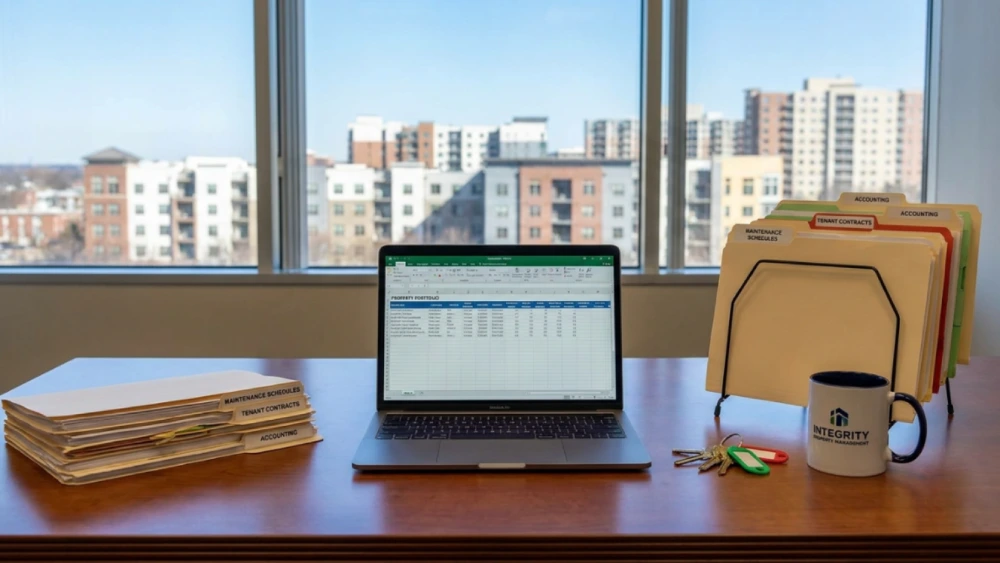
Remote owners cannot attend every inspection, repair, tenant handover, or emergency. The company must replace physical owner presence with accurate local evidence.
A remote-owner report should include:
- Dated photographs
- Inspection findings
- Repair quotations
- Approval history
- Contractor details
- Completion evidence
- Financial statements
- Open risks
- Required decisions
The owner should not need to chase several employees for one answer. The assigned manager should consolidate the information and explain the next step.
Weak Operations Show Clear Warning Signs
Owners should investigate when they repeatedly see:
- Missing inspection photographs
- Unexplained deductions
- Delayed maintenance
- Frequent staff changes
- Several open repairs
- Contractor invoices without scopes
- Repairs that treat only visible damage
- Slow owner replies
- Unclear tenant decisions
- Lost keys or access records
- No final test after repairs
- No exit or handover process
A company may use modern software and still operate poorly. The system is only valuable when staff use it consistently and owners receive accurate information.
Property Management Companies Operation: Verify First
Before signing, ask the company to show a sample agreement, financial statement, inspection report, maintenance process, fee schedule, and emergency escalation plan.
Review professional property management services after confirming who controls tenant decisions, repair spending, contractor access, software records, and final handover.
A good company should be able to explain its operation without relying on vague promises.
Frequently Asked Questions
How do property management companies operate during vacancy?
Property management companies operate during vacancy by checking the property, completing repairs, preparing the listing, responding to enquiries, conducting viewings, and processing applications. They may also monitor utilities, security, cleanliness, outdoor areas, and signs of damage. The agreement should clarify which vacancy checks, advertising costs, inspections, and preparation duties are included.
What happens before a property management company takes control?
Before property management companies operate a rental, they normally review the property, management agreement, existing lease, tenant records, keys, maintenance history, financial balances, and open repairs. The owner should confirm the company’s authority, spending limit, reporting schedule, fee structure, and access procedures before the handover. Missing records should be identified before daily management begins.
How do property management companies operate when rent is late?
Property management companies operate when rent is late by checking the payment record, contacting the tenant through the approved channel, issuing any authorised notice, and updating the owner. The exact action depends on the lease and applicable process. The company should document every message, payment arrangement, notice, fee, and unresolved balance.
Can an owner choose their own contractors?
Some property management companies operate with an approved contractor network, while others allow owners to nominate preferred tradespeople. The agreement should explain whether the manager must use company contractors, how quotations are compared, whether markups apply, and who verifies the completed work. Owner-selected contractors should still follow access, insurance, documentation, and completion requirements.
How do property management companies operate when an owner rejects a repair?
Property management companies operate when an owner rejects a repair by recording the decision, explaining the potential risk, and distinguishing urgent containment from optional work. If the condition affects safety, habitability, neighbouring property, or legal obligations, the manager may need to escalate the issue. The owner should receive photographs, contractor findings, and alternative options.
Can owners see tenant messages and maintenance records?
Many property management companies operate through portals or central software that stores messages, maintenance tickets, approvals, invoices, and inspection records. Owner access varies by company. The agreement should clarify which records the owner can view directly, which information appears in monthly reports, and how urgent or sensitive matters are communicated outside the normal reporting system.
How do property management companies operate after a manager leaves?
Property management companies operate after an assigned manager leaves by transferring leases, tenant history, access details, owner approvals, financial records, maintenance tickets, and open tasks to another authorised employee. A strong technology system reduces disruption. Owners should ask who provides interim coverage and how the company checks that no unresolved decision is lost.
How do property management companies operate after termination?
Property management companies operate after termination by completing a formal handover under the management agreement. The company should return keys, codes, records, owner funds, tenant information, active lease details, contractor history, financial statements, and unresolved maintenance notes. Access permissions should be removed or transferred, and the final settlement should clearly explain all remaining charges.