A Phuket rental home can decline quickly when nobody checks it with a trained eye. Humidity, rain, salt air, guest misuse, delayed repairs, and unclear reporting can turn small issues into expensive damage. The strongest protection comes from local action, structured inspections, legal awareness, and clear owner updates through trusted property management services.
Owner Tip: Want fewer rental risks, faster local response, and better protection for your Phuket home? Learn how our property management services help protect rental homes with inspections, maintenance, guest control, and clear owner reporting.
How Property Managers Protect Phuket Rental Homes?
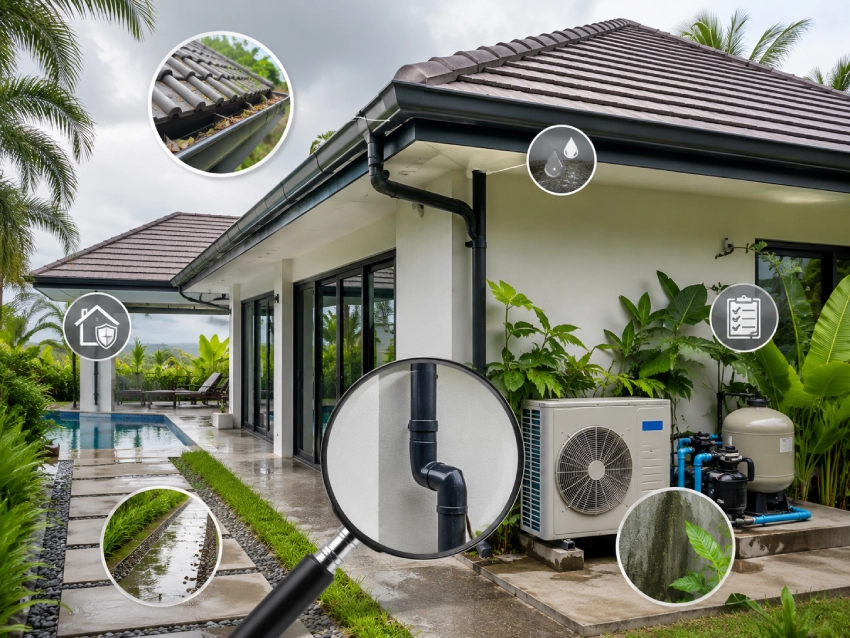
Phuket rental protection is not only about cleaning after guests leave. It is a working system that checks the property, controls access, records damage, manages operational duties, and responds before problems spread.
The three main protection areas are legal control, physical maintenance, and guest management. Each area must connect with reporting, repair approvals, and local accountability.
The property manager duties overview explains how inspections, communication, maintenance, financial records, guest support, and owner updates fit within the wider management role.
Phuket Rental Protection Map
| Risk Area | What Can Go Wrong | Manager Protection |
| Legal administration | TM30 gaps, weak records or unsuitable rental setup | Guest records, rule checks and documented procedures |
| Climate damage | Mould, leaks, corrosion and damp odours | AC care, drainage checks and roof inspections |
| Guest misuse | Broken items, lost keys or unsafe system use | House rules, guidance and checkout checks |
| Owner distance | No accurate view of the property | Photo reports, repair notes and local updates |
| Emergency delay | Water damage, power faults or storm impact | Local response and contractor coordination |
| Outdoor decline | Pool algae, garden growth or furniture damage | Scheduled pool and garden care |
| Weak reporting | Hidden costs and unresolved repairs | Statements, receipts and action tracking |
A reliable property management operating model should assign every inspection, repair, guest issue, and financial decision to a responsible person and documented process.
Protection Starts Before the Guest Arrives
A proper protection plan begins before the property is exposed to rental use. Managers review the rental setup, property condition, inventory, access method, cleaning standard, pool condition, garden condition, and repair history.
This initial review creates a baseline. It helps owners and managers distinguish pre-existing wear from new damage and identifies systems that may fail during a stay.
The manager should also confirm which areas require specialist attention. Pools, electrical systems, roofs, AC units, plumbing, locks, gates, and structural concerns should not be assessed casually.
The guide to inspection priorities during property checks provides a practical structure for reviewing physical condition, safety, maintenance, agreement compliance, and follow-up actions.
During the stay, managers protect the home through guest communication and rapid issue control. Clear instructions reduce misuse of cooling systems, pool equipment, water heaters, kitchen appliances, locks, gates, and rubbish areas.
After checkout, the property should be checked again. Broken objects, stains, missing keys, blocked drains, leaking AC units, and damaged furnishings need to be identified before another guest enters.
Legal and Administrative Protection
Legal protection is often ignored until a problem appears. Phuket rental properties may involve foreign guests, condominium rules, estate requirements, leases, guest records, insurance conditions, taxes, and stay-length restrictions.
A manager cannot replace a qualified lawyer, accountant, immigration adviser, or tax specialist. The management role is to keep practical records organised, identify operational concerns, and coordinate with qualified professionals where necessary.
Local property management in Phuket can connect guest administration, inspections, maintenance, contractor access, and owner reporting within one working system.
TM30 and Guest Records
Thailand’s residence-notification system requires the responsible owner, landlord, household head, or accommodation manager to report qualifying foreign guests within the required period.
A manager may help collect guest names, passport details, arrival dates, departure dates, nationality information, and accommodation details. The management agreement should state who completes the notification and retains the evidence.
Guest information must be stored securely. Access should be limited to people who need it for legitimate booking, accommodation, reporting, or dispute-management purposes.
Accurate booking records also help when a guest overstays, damages the property, loses access equipment, or disputes the agreed occupancy.
Contracts and Rental Rules
Rental agreements should clearly address deposits, utilities, access, guest numbers, pets, maintenance permission, damage responsibility, keys, house rules, and payment records.
Condominium and estate rules must also be checked before reservations are accepted. Access cards, parking, lifts, shared facilities, noise, visitors, rubbish, and minimum-stay restrictions can affect the guest experience.
A poorly structured rental arrangement can lead to blocked access, neighbour complaints, weak evidence, insurance concerns, and operational disruption.
The house rental management workflow helps connect property preparation, documentation, occupancy rules, inspections, maintenance, and ongoing rental control.
Tropical Climate and Physical Maintenance
Phuket homes experience regular pressure from rain, humidity, heat, coastal air, pests, and rapid plant growth. Managers protect the property by treating climate exposure as an ongoing operating risk.
Weather-related maintenance should not begin only after a ceiling leaks or a room smells damp. Preventive inspection is less disruptive than emergency repair during a guest stay.
Rain, Roofs and Drainage
Rain protection begins with roofs and drainage. Managers check gutters, downpipes, roof edges, terraces, balcony outlets, garden drains, pool overflow routes, exterior walls, and ceiling marks.
Blocked drainage can direct water towards doors, walls, lower rooms, pool decks, and landscaped areas. Even a small blockage may cause larger damage during prolonged rainfall.
Roof and drainage checks should be scheduled before heavy-weather periods and repeated after severe storms where the property has known exposure.
Early detection also supports property expense reduction methods by reducing repeated emergency call-outs and preventing minor faults from damaging several building materials.
Humidity and Mould Prevention
Humidity creates hidden problems inside closed homes. Musty odours, swollen timber, peeling finishes, damp fabrics, condensation, and visible mould may develop while the owner is away.
Managers should inspect wardrobes, curtains, mattresses, bathrooms, kitchens, exterior-facing walls, ceiling corners, storage areas, and rooms that remain closed for extended periods.
Mould prevention requires moisture control rather than surface wiping alone. Roof leaks, plumbing faults, AC drainage, condensation, ventilation, and rain entry must be considered.
Rooms should be ventilated and checked according to the property’s condition and usage. The manager should record visible moisture, odours, water marks, and the corrective action taken.
Air-Conditioning Protection
Air conditioning is central to rental comfort and moisture control. Dirty filters, blocked condensate lines, weak cooling, and leaking internal units can lead to poor airflow, staining, odours, and guest complaints.
Managers should check whether each unit cools properly, whether drain lines flow correctly, and whether there is water staining around the indoor equipment.
Servicing should be recorded by date, unit, work completed, and technician. Repeat leaks should be investigated rather than treated as isolated cleaning issues.
AC failures during occupied stays require rapid response because they affect comfort, reviews, refunds, and the availability of the property.
Pest and Indoor Cleanliness Control
Food residue, damp linen, rubbish, unused drains, and vacant rooms can attract ants, cockroaches, rodents, termites, mosquitoes, and other pests.
Reliable housekeeping services in Phuket support protection by controlling waste, cleaning food areas, managing linen, identifying dampness, and reporting early pest or maintenance signs.
Housekeeping staff should not be expected to diagnose structural, electrical, pest-control, or mechanical problems beyond their training. Their role is to report visible concerns so the correct specialist can respond.
Pools, Gardens and Outdoor Assets
Outdoor areas carry major operational risk in Phuket. Pools, gardens, drains, lighting, furniture, gates, pathways, pumps, and irrigation systems remain exposed to weather and constant use.
A neglected outdoor area can affect safety, property value, rental photographs, reviews, and the guest’s first impression.
Pool Protection
Pool water, pumps, filters, tiles, lights, decking, drains, and outdoor showers require routine checks. A visual glance is not a substitute for water testing and equipment monitoring.
Regular pool cleaning in Phuket can support water testing, chemical adjustment, filtration checks, debris removal, tile cleaning, and recorded service visits.
Cloudy water, unusual odours, weak circulation, equipment noise, leakage, or surface damage should be recorded and escalated before the next guest uses the pool.
Garden and Exterior Protection
Tropical gardens can grow quickly around drains, roofs, walls, lighting, pathways, gates, pumps, and irrigation equipment.
Scheduled gardening and maintenance in Phuket helps control rapid plant growth, clear debris, maintain irrigation, protect access routes, and reduce outdoor hazards.
Managers should also check exterior furniture, umbrellas, cushions, timber, metal fittings, decking, railings, and boundary areas for rain, sunlight, corrosion, mould, or physical damage.
Garden work should be coordinated with pool and drainage schedules. Trimming or leaf clearing that sends debris into drains and pools simply transfers the problem.
Tenant and Guest Management
Guest control protects the home from preventable damage. Many problems begin because guests do not understand the property, the rules, or unfamiliar equipment.
Managers reduce risk by setting expectations before arrival, remaining available during the stay, and checking the property promptly after departure.
House Rules and Guest Communication
House rules should cover smoking, parties, visitors, noise, pets, parking, rubbish, pool use, keys, doors, windows, cooling systems, and prohibited areas.
Effective Airbnb management in Phuket connects booking communication with house rules, guest information, arrival instructions, onsite support, cleaning, and checkout inspections.
Rules should be clear and practical rather than excessive. A long list that guests cannot understand or remember is less useful than concise guidance connected to genuine property risks.
The manager should use written guest messages so important instructions and responses remain available if a later dispute occurs.
Pet Rules
Pet-friendly accommodation requires clear permissions and property controls. Owners should define accepted animal types, numbers, restricted areas, garden rules, cleaning requirements, waste disposal, and damage procedures.
The pet policy management process helps connect pet permissions with cleaning, outdoor care, inventory checks, and condition reporting.
Pet-related damage should be documented separately from normal cleaning. Scratches, stains, odours, garden damage, and additional cleaning should be supported by evidence.
Arrival and Access Guidance
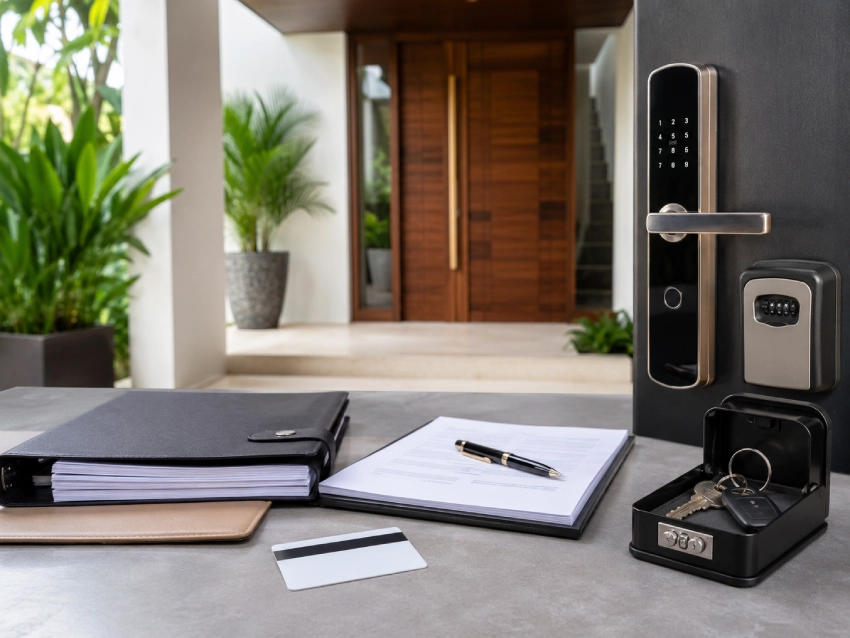
Managers should explain locks, gates, access cards, alarms, appliances, AC controls, water heaters, pool safety, parking, Wi-Fi, and rubbish collection before or during arrival.
Organised 24-hour check-in in Phuket provides late-arriving guests with clear access instructions and local assistance when keys, locks, gates, or security procedures create problems.
Every key, access card, remote, and code should be recorded. Access permissions should be removed or changed when they are no longer required.
Inventory, Checkout and Damage Evidence
Inventory records protect furniture, appliances, keys, linens, kitchenware, electronics, décor, outdoor items, and pool equipment.
Photographs should show condition before the guest enters and after checkout. Important items should be identifiable rather than hidden inside wide room photographs.
Checkout checks should happen quickly. Delayed inspections make it harder to determine when damage occurred or whether a later contractor, cleaner, or guest caused the problem.
Airbnb advises hosts seeking damage reimbursement to document the issue using photographs or videos, repair estimates, cleaning estimates, and receipts.
Damage records should separate normal deterioration from guest misuse. Age, previous condition, location, severity, and actual repair requirements should be considered.
Repair Approvals and Emergency Response
Repair protection requires more than contacting a contractor. Managers must verify the problem, classify its urgency, explain the proposed work, obtain appropriate approval, and confirm completion.
The property repair coordination process shows how inspection findings should move through assessment, quotation, approval, contractor assignment, repair, testing, and owner reporting.
For larger non-emergency work, owners may request more than one quotation. Each quotation should describe the same scope so comparisons remain meaningful.
Completion photographs do not always prove that equipment functions correctly. Pumps, AC units, locks, appliances, lighting, plumbing, and electrical repairs should be tested where safe and appropriate.
Emergency Control
Leaks, storm damage, electrical faults, AC failures, guest lockouts, broken gates, appliance failures, overflowing drains, and pool-equipment problems may require immediate local action.
Managers should maintain an updated list of plumbers, electricians, AC technicians, locksmiths, pool specialists, cleaners, gardeners, and general repair contractors.
The owner should set emergency-spending limits in advance. This allows the manager to control active damage without waiting through time-zone delays.
Emergency reports should include the time identified, immediate risk, temporary control, contractor response, cost, photographs, and final result.
Owner Visibility and Financial Control
Remote owners need verified visibility rather than general statements that everything is fine.
Reports should show the property’s physical condition, repairs, guest concerns, expenditure, rental activity, unresolved work, and decisions requiring approval.
The property performance tracking methods help connect inspection findings with costs, response times, recurring faults, bookings, reviews, and pending actions.
Monthly Owner Report
| Report Area | Information Required |
| Property condition | Inspection findings and dated photographs |
| Guest activity | Arrivals, departures and reported issues |
| Rental performance | Bookings, occupancy and owner-use dates |
| Maintenance | Faults, contractors and completion status |
| Expenses | Itemised costs, receipts and approvals |
| Pool and garden | Service dates and identified concerns |
| Access | Lost keys, access cards or security issues |
| Inventory | Missing, damaged or replaced items |
| Open actions | Problems awaiting work or approval |
| Next steps | Scheduled inspections and preventive work |
Owners should also understand the management percentage basics before signing an agreement.
The percentage or monthly charge should be compared with the actual scope. Owners need to know whether inspections, guest support, housekeeping, pool care, maintenance coordination, emergency response, and financial reporting are included.
Protection Plans by Property Type
Every Phuket rental home needs protection, but the management plan should reflect the property type.
Villas
Villas require broader physical oversight because pools, gardens, roofs, gates, terraces, outdoor furniture, pumps, private drainage, and staff access usually sit within the owner’s responsibility.
Structured villa management in Phuket can connect these systems with cleaning, inspections, repairs, guest support, and reporting.
Beachfront and hillside villas may require additional attention to corrosion, storm exposure, drainage, access, slopes, retaining structures, and exterior maintenance.
Condominiums
Condominium managers must distinguish between private-unit responsibility and building-level responsibility.
Professional condominium management in Phuket can help coordinate unit inspections, access cards, private appliances, leaks, cleaning, tenant communication, and juristic-office procedures.
Owners should not assume that the building team will inspect private AC units, furniture, appliances, bathrooms, kitchens, or guest-caused damage.
Detached Houses
Houses require structural checks, security, utility monitoring, access control, garden supervision, drainage care, pest checks, and preparation before owner or tenant arrival.
Complete house management in Phuket can provide local oversight during occupied and vacant periods.
The care plan should reflect whether the house is a long-term rental, short-stay property, private holiday home, or vacant overseas-owned residence.
Guest-Ready Protection Before Bookings
A protected rental must be ready before each arrival. Guest-ready preparation includes cleanliness, safety, access, functionality, supplies, instructions, and presentation.
Before arrival, managers should check cooling, water pressure, lighting, locks, Wi-Fi, appliances, linen, bathrooms, kitchen supplies, rubbish areas, pool condition, pathways, and outdoor lighting.
Guests should receive clear instructions for appliances, parking, rubbish, pool safety, doors, windows, emergency contacts, and check-out.
The house rental management workflow helps align preparation with listings, rules, availability, inspections, maintenance, and record-keeping.
Pre-arrival checks protect reviews and the property simultaneously. Guests are less likely to misuse unfamiliar systems when instructions are clear and equipment works correctly.
Warning Signs Owners Should Track
Protection also means recognising weak management early. Owners should not wait for severe damage before reviewing the process.
Warning signs include missing photographs, vague repair explanations, absent invoices, repeated guest complaints, unexplained access, delayed emergencies, and unresolved faults that appear in several reports.
A manager who provides updates only after being chased creates unnecessary blind spots for an overseas owner.
The rental management decision factors help owners evaluate whether the property’s condition, location, usage, and operational workload require stronger local support.
Good managers protect homes through consistent schedules, records, inspections, and accountability. They do not rely entirely on guest complaints to discover property problems.
Final Phuket Rental Protection Checklist
A complete rental protection system should:
- Establish a photographed condition baseline.
- Confirm the rental and access rules.
- Keep foreign-guest records organised.
- Inspect roofs, drainage, moisture, and AC systems.
- Record pool and garden service.
- Control keys, cards, remotes, and access codes.
- Provide guests with clear house and arrival rules.
- Inspect promptly after checkout.
- Separate normal wear from new damage.
- Document repair scopes, approvals, and completion.
- Maintain emergency contacts and spending limits.
- Send clear monthly owner reports.
- Review recurring faults and future maintenance.
The strongest protection comes from connecting every risk with a responsible person, practical process, response target, and supporting evidence.
Frequently Asked Questions
1. How often should a Phuket rental home be inspected?
The inspection schedule depends on property type, occupancy, age, condition, climate exposure, and previous problems. Rental homes should normally be checked around guest turnovers, while vacant properties need scheduled condition visits. Pool villas, coastal homes, older properties, and buildings with previous moisture problems may require closer monitoring.
2. How do managers reduce mould risk in Phuket homes?
Managers reduce mould risk by identifying and controlling moisture. They check roof and plumbing leaks, AC drainage, condensation, wardrobes, bathrooms, fabrics, closed rooms, and exterior-facing walls. Ventilation and cleaning help, but the moisture source must also be corrected.
3. What protects owners from guest damage?
Protection begins with a photographed inventory, clear house rules, arrival guidance, controlled access, and a prompt checkout inspection. Damage should be documented using photographs, videos, estimates, receipts, and written communication. Managers should also distinguish guest misuse from ordinary wear and pre-existing deterioration.
4. Why do overseas owners need local property managers?
Overseas owners cannot physically inspect roofs, drainage, AC systems, pools, gardens, access points, or guest damage. A local manager provides direct inspection, contractor coordination, emergency response, and documented owner updates. This reduces delays between a problem appearing and corrective work beginning.
5. What should a property manager do during an emergency?
The manager should identify the immediate danger, protect the property from further loss, contact the correct specialist, and notify the owner. The response should be documented with times, photographs, temporary controls, quotations or invoices, and final completion evidence.
6. What should be included in a monthly owner report?
A monthly report should include property-condition photographs, bookings, income, expenses, invoices, completed repairs, unresolved maintenance, pool and garden records, guest issues, inventory changes, and upcoming decisions. The owner should clearly see what happened, what was spent, what remains open, and what requires approval.