A Phuket villa looks effortless when it’s running well. Sparkling pool, healthy garden, cool air-conditioning humming quietly, polished teak, fresh linens. None of that happens by accident. Maintaining a property in a hot, humid, salt-air, tropical-monsoon climate is genuinely demanding work, and the difference between a villa that ages gracefully and one that quietly falls apart almost always comes down to a consistent, well-structured maintenance routine.
This checklist is for owners who want to know exactly what ‘good’ looks like — whether you handle it yourself, you’re working with a property manager, or you’re trying to decide whether the current routine on your home is actually thorough enough.
Daily and Weekly Essentials
These are the small, frequent tasks that keep a property functional and presentable. They’re easy to underestimate in importance, but skipping them is what creates the bigger, expensive problems later.
Inside the Home
Daily air-conditioning checks during periods of use, regular dusting and surface cleaning, weekly deep cleans of bathrooms and kitchens, regular linen rotation, and immediate attention to any signs of damp, mould or insect activity. In Phuket’s climate, ignoring damp for even a week or two can be the difference between a wipe-down and a serious repair.
Refrigerators and freezers should be wiped down and checked weekly, especially in homes that sit empty for stretches. The same goes for water filters and water heater function.
Outside the Home
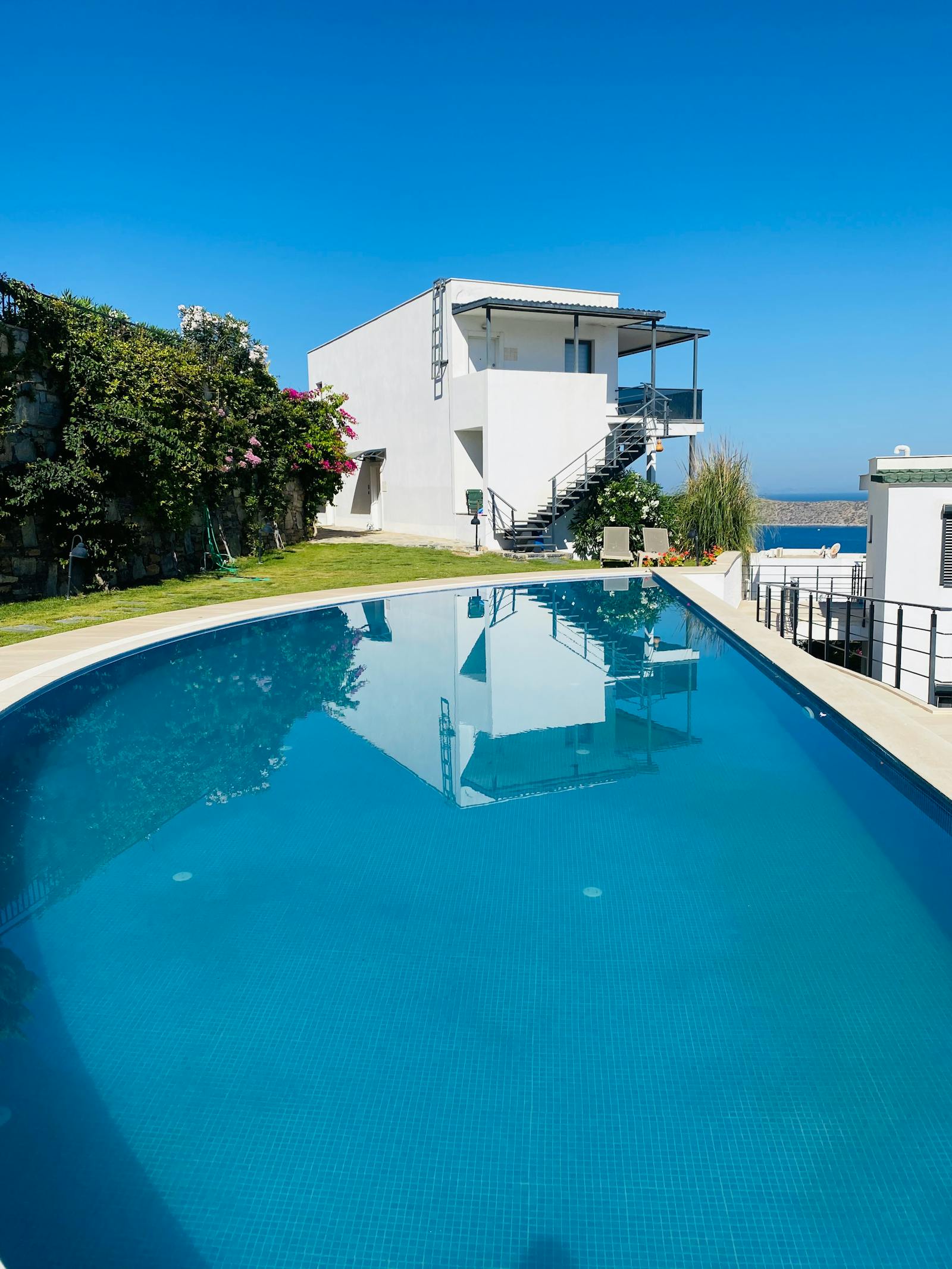
Daily checks on the pool surface, weekly chemical balancing and filter cleaning, regular garden watering and pruning, gutter and drainage inspection, and a careful eye on anything that could harbour mosquito breeding sites — stagnant water in pot bases, blocked drains, unused buckets.

Monthly Maintenance Tasks
Monthly tasks are where the structural health of the property is preserved. They’re less visible than daily upkeep, but they’re what keeps systems running for years rather than months.
Air-conditioning filter cleaning on every unit (more often during heavy-use seasons), full pool equipment inspection, garden fertilisation, termite and pest inspection, and a check of all silicone seals around showers, sinks, and any exterior penetrations. Test smoke alarms, gas detectors and CCTV systems. Walk the roof line or have someone do it — missing tiles, loose flashings and clogged gutters are easy to miss until the next downpour reveals them.
Monthly is also a good cadence for utility bill review. Spikes in electricity or water use almost always indicate a leak, a faulty appliance, or a pool pump running outside its proper hours.

Quarterly and Seasonal Tasks
Phuket really only has two seasons that matter from a maintenance standpoint: the dry, hot season and the green (wet) season. Each demands different attention.
Before the Green Season
Clear all gutters and roof drains, check that storm shutters and outdoor blinds work, inspect garden drainage, trim back any tree branches that could fall in strong wind, and verify that pool overflow systems are clean and functioning. This is also the time to deep-treat outdoor wood and check that any exposed metalwork is properly sealed against salt and moisture.
Before the High Season
This is the readiness phase — think of it like a hotel pre-opening checklist. Servicing every air-conditioning unit professionally, refreshing linens and towels, deep-cleaning carpets and rugs, testing every appliance, replacing any tired or faded furnishings, refreshing pool water chemistry, and giving the garden a full reset.
Annual Inspections and Big-Ticket Items
Some tasks only need attention once a year, but they’re the ones that protect long-term value. Annual servicing of the pool pump and filtration system, professional termite inspection and treatment, full electrical and circuit-breaker inspection, plumbing pressure test, water tank cleaning, and structural checks on roofing, fascia boards, and any timber decking.
Annual is also the right cadence for repainting any exposed wood, refreshing exterior paintwork where needed, and reviewing furniture and soft-furnishing condition — especially if the property is rented.
Owner-Operated vs Professionally Managed
Some owners genuinely enjoy running their property hands-on, and there are real advantages to that. You build personal relationships with your local trades, you understand every quirk of your home, and you can move quickly when something needs attention.
That said, doing it from overseas is hard. The combination of time-zone differences, language barriers, and the practical impossibility of inspecting the property yourself means most non-resident owners are better served by a structured management arrangement with clear reporting. The maintenance work itself is the same — the difference is who tracks it, schedules it, and accounts for it.
Common Questions From Villa Owners
How often should the pool be serviced in Phuket?
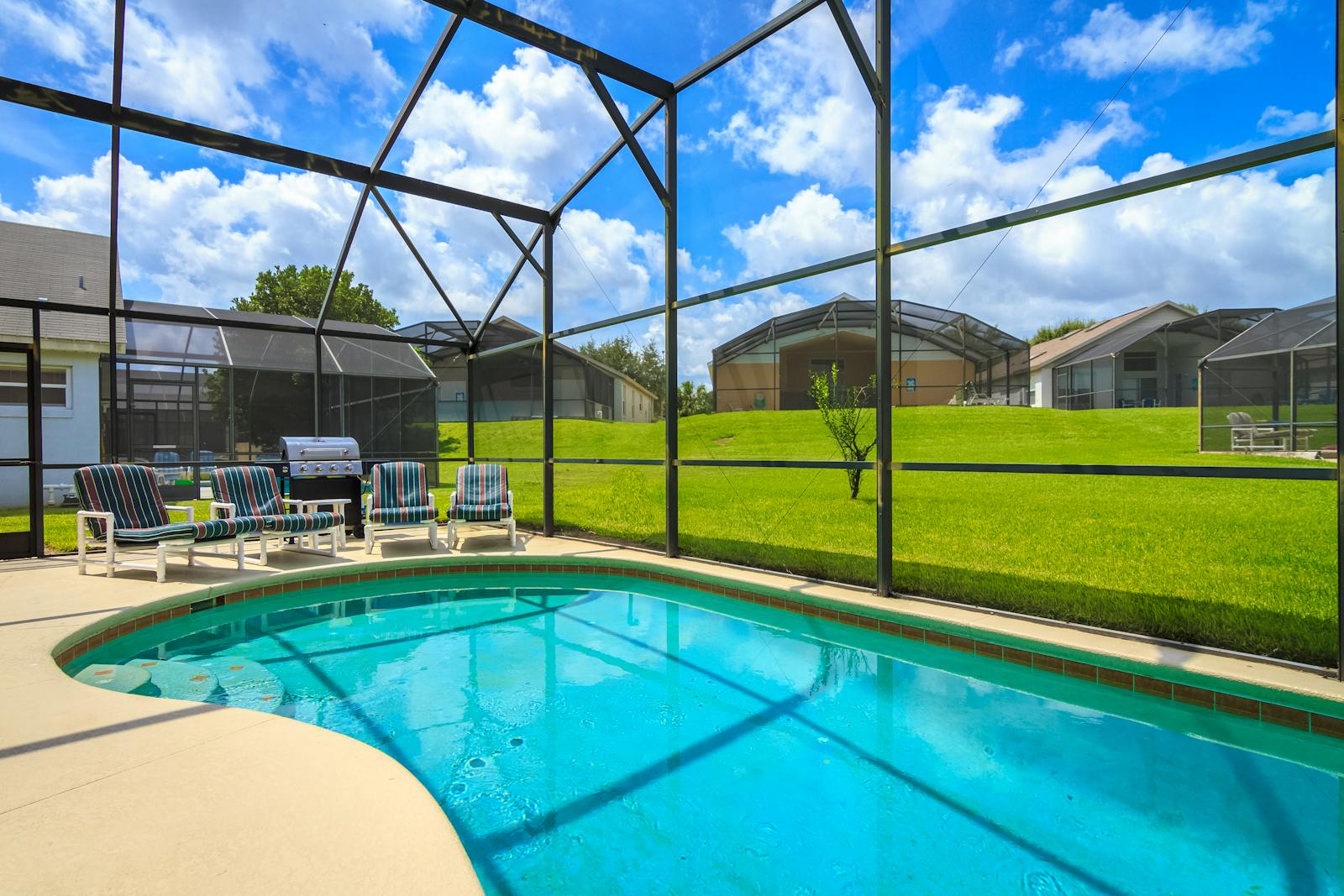
In an actively used pool, expect chemical balancing two to three times a week and a full clean weekly, with monthly equipment checks. Quieter, less-used pools still need at least twice-weekly attention — algae and water chemistry move quickly in tropical heat.
Are termites really that common?
Yes. Phuket is a hot, humid, timber-rich environment and termite pressure is constant. Annual professional inspections and barrier treatments are the only reliable defence — spotting a problem early can save tens of thousands of baht in repairs.
What’s the single most common maintenance mistake?
Letting air-conditioning units run without regular filter cleaning. It increases electricity costs, shortens unit lifespan, and is the most common cause of mould and indoor air-quality issues in Phuket homes.
Do I need to do anything special if I’m away for months at a time?
Yes. Properties left completely unattended in the tropics deteriorate fast. At minimum, schedule weekly inspections, run the air-conditioning periodically (or maintain a dehumidifier), keep the pool active, and have someone check for leaks, pests and storm damage after any heavy weather.
Final Thoughts
Maintaining a Phuket villa isn’t complicated, but it does need to be consistent. The owners whose homes look brand-new five years on are almost always the ones who took maintenance seriously from day one — not because they did anything dramatic, but because they didn’t let small issues become big ones.
If you’d like a free walk-through of your property and a structured maintenance plan tailored to its age, location and use, our team can put one together for you.
Related Reading
If you found this useful, you might also like these guides from our team:
- Thailand Property Faces a Fourth Year of Decline: What It Means for Phuket in 2026
How Thailand’s wider housing slowdown is shaping the outlook for Phuket property in 2026. - A Complete Guide to Property Management in Phuket: What Owners Should Expect in 2026
A full owner’s walk-through of what professional property management in Phuket actually covers. - Short-Term vs Long-Term Rentals in Phuket: Which Strategy Maximises Your ROI?
Compare short-term holiday lets and long-term tenancies side by side to find the right strategy for your property. - Phuket Rental Yields, Fees & Legal Essentials: What Foreign Owners Need to Know
Realistic rental yield expectations, fee structures and legal essentials for foreign owners in Phuket.