Phuket’s wet-season rain can turn a controlled garden into dense growth within a short period. Weeds spread, hedges lose their shape, and heavy branches begin covering drains, paths, roofs, or walls. Effective tropical garden growth management addresses these risks through seasonal inspections, structural pruning, drainage checks, and properly adjusted irrigation.
Acting before severe overgrowth develops protects plant health and can prevent avoidable property damage. The first step is knowing which growth needs cutting and which underlying condition needs correcting.
Quick Check: If rapid growth is becoming difficult to control, choose a garden maintenance service Phuket property owners can use for pruning, drainage inspections, irrigation checks, and green-waste removal.
Tropical Garden Growth Management by Season
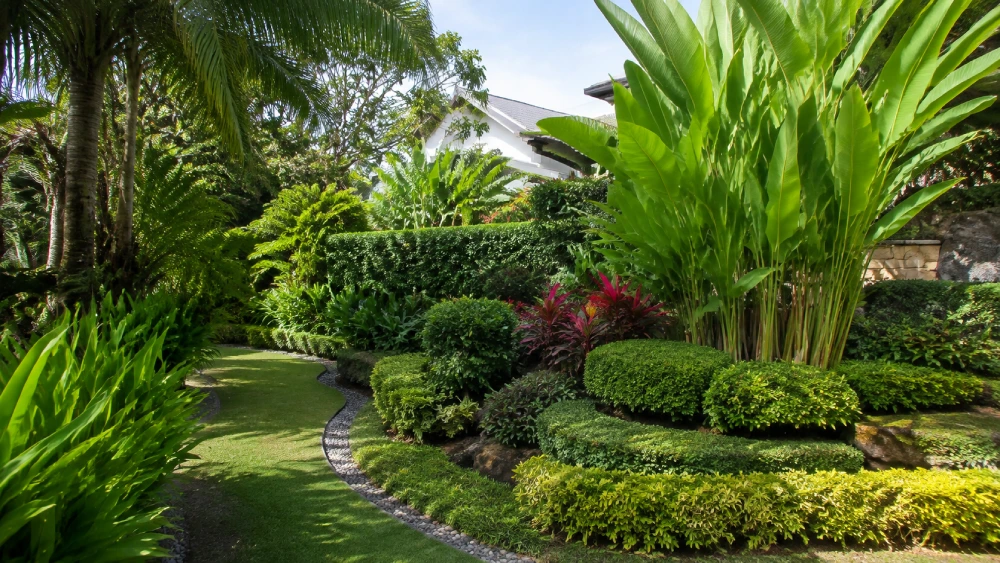
Tropical garden growth management must respond to Phuket’s changing rainfall, humidity, heat, and water availability. A fixed maintenance routine cannot manage both rapid wet-season growth and dry-season water stress effectively.
Phuket Seasonal Garden Pressure
| Seasonal condition | Main garden problem | Warning signs | Required response |
| Heavy or repeated rain | Rapid foliage and weed growth | Covered paths and uneven hedges | Increase inspections and selective trimming |
| Saturated ground | Waterlogged roots | Yellow leaves or wilting in wet soil | Check drainage, grading, and soil structure |
| High humidity | Fungal pressure | Spots, mildew, decay, or leaf loss | Thin foliage and improve airflow |
| Strong dry-season heat | Moisture stress | Scorched leaves and dry root zones | Adjust irrigation and protect the soil |
| Tropical storms | Broken or unstable growth | Split branches and leaning plants | Inspect hazards and begin recovery |
| Extended dry weather | Increased water demand | Repeated wilting and weak growth | Check leaks, zones, and watering depth |
Control Wet-Season Overgrowth Early
Rain and warmth accelerate the development of weeds, lawns, vines, hedges, and tree canopies. A garden that looks manageable during one inspection may develop blocked views, restricted paths, and building contact before the next visit.
Maintenance frequency should follow growth rate, rainfall, garden size, plant type, and safety exposure. Some properties may need weekly attention during peak growth, while others may remain controlled with biweekly visits.
The priority is not cutting every plant shorter. Effective rainy-season villa maintenance in Phuket separates ordinary trimming from drainage clearance, tree inspection, structural pruning, and disease management.
Adjust Watering During the Dry Season
The dry season slows some forms of growth, but it increases heat and water stress. Shallow daily watering may keep the surface damp without delivering enough moisture to deeper roots.
Irrigation should respond to soil condition, shade, plant age, recent weather, and root depth. Lawns, palms, new planting beds, and established shrubs should not automatically receive the same watering duration.
Effective irrigation and seasonal watering management uses separate zones and regular leak checks. Water must reach the root area without flooding low points, soaking foliage unnecessarily, or running onto paved surfaces.
Inspect Garden Damage After Storms
Strong wind and prolonged rain can leave hanging branches, leaning trees, exposed roots, damaged irrigation lines, and blocked drains. These problems should be identified before routine cutting resumes.
Urgent hazards must be isolated first. Structured storm-damaged garden recovery management can determine which plants need pruning, supporting, replacing, or further monitoring.
Serious fallen-tree, flood, electrical, or access risks may require Phuket property management emergency handling. Garden workers should not attempt specialist work outside their training.
Tropical Garden Growth Management Controls
Controlling tropical growth requires more than mowing lawns and shaping hedges. Each maintenance visit should protect plant structure, airflow, drainage, visibility, and safe clearance around buildings, pools, boundaries, and paths.
Thin Dense Growth Without Plant Damage
Cutting only the outside of a hedge can produce dense surface growth while leaving weak, shaded branches inside. Selective thinning removes specific branches to improve airflow, light penetration, and long-term structure.
Structural pruning should target crossing, diseased, damaged, poorly positioned, or dangerously heavy branches. The timing and extent of pruning must suit the plant because excessive cutting can cause stress and aggressive regrowth.
The objective is healthy spacing and safe growth direction. Palms, flowering shrubs, hedges, climbers, and fruit trees should not receive identical treatment.
Keep Growth Away From Structures
Fast-growing roots and branches can interfere with paving, roofs, drainage channels, exterior walls, lighting, pool equipment, and pedestrian access. These risks should be identified before visible damage develops.
Branches touching roofs may carry leaves and moisture toward gutters or tiles. Dense shrubs against walls restrict inspection, while vigorous roots may lift weak paving or enter vulnerable drainage areas.
Preventive garden work supports wider Phuket villa asset protection. When physical damage has already occurred, clear property management repair responsibilities should determine who assesses, approves, and arranges the repair.
Correct Drainage Before Replanting
Plants can wilt in saturated soil because waterlogged roots cannot function normally. Replacing a declining plant without correcting the drainage often results in the same problem returning.
Inspect low areas after rainfall. Check whether drains are obstructed, soil has compacted, irrigation is still operating, or garden levels direct water toward buildings and planting beds.
Possible corrections include clearing drainage routes, improving ground levels, loosening suitable compacted soil, creating raised beds, and adding appropriate organic material. The selected correction should follow a proper site diagnosis.
Reduce Humidity Around Dense Foliage
Crowded foliage holds moisture and slows drying after rainfall. Warning signs include brown or black spots, yellow leaves, mildew-like growth, soft stems, repeated leaf loss, and weak new shoots.
Selective pruning can improve airflow without stripping the plant. Irrigation should target the root zone, infected material should be removed, and cutting tools should be cleaned to reduce accidental spread.
Treatment must follow identification. Applying fertiliser or pest-control products without understanding the cause may waste money or conceal a drainage problem.
Remove Pest and Wildlife Shelter
Phuket residents report different encounters with snakes, centipedes, spiders, lizards, toads, and other garden wildlife. Overgrowth does not guarantee a dangerous pest problem, but it can make inspection and safe access more difficult.
Remove unused debris, manage standing water, control excessive groundcover, and keep essential paths visible. Branches and climbing plants should not provide direct access toward windows, roofs, or service areas.
A practical garden pest and safety risk management plan begins with inspection and habitat control. Chemical treatment should address an identified problem rather than every animal that may enter a tropical garden.
Tropical Growth Inspection Checklist
| Inspection point | Problem to identify | Required response | Record needed |
| Trees and palms | Split, hanging, or heavy branches | Isolate the risk and arrange safe pruning | Before-and-after photographs |
| Hedges and shrubs | Dense or building-contact growth | Thin selectively and restore clearance | Work completed and concerns found |
| Drains and channels | Leaf, root, or soil blockage | Clear water flow and report damage | Drain condition after work |
| Irrigation zones | Leaks or incorrect runtime | Test emitters, pressure, and controls | Faults and setting changes |
| Soil and beds | Erosion, compaction, or saturation | Diagnose before adding materials | Location and recommended correction |
| Paths and boundaries | Obstructed or unsafe access | Restore visibility and clearance | Outstanding safety concerns |
| Plant health | Spots, rot, pests, or poor growth | Identify the cause before treatment | Symptoms and follow-up date |
Tropical Garden Growth Management Reporting
Garden work should produce evidence of what was inspected, completed, and discovered. This is particularly important for overseas owners who cannot personally examine drainage, irrigation, tree stability, and plant health.
Record Results Instead of Attendance
A message confirming that a gardener visited does not prove that drains were checked, irrigation faults were identified, or unstable branches were reported. Useful records include dated photographs, completed tasks, observations, and required follow-up work.
Clear property management inspection checkpoints help distinguish routine trimming from developing risks. They also make recurring faults easier to identify across multiple visits.
Structured property management performance tracking should compare completed work against agreed standards. Relevant measures include missed areas, repeated irrigation faults, plant replacement, drainage condition, response time, and overall presentation.
Control Costs Through Early Action
Ignoring a blocked drain, leaking irrigation line, diseased branch, or unstable tree can lead to more expensive work later. Preventive maintenance cannot eliminate every cost, but it can stop manageable faults from spreading.
Useful property management cost-reduction methods include correcting leaks, selecting suitable plants, adjusting seasonal watering, and resolving drainage before replacing damaged vegetation.
Garden coordination may form part of the core duties of a property manager. The management agreement should explain who inspects work, approves additional costs, appoints specialists, and reports
Tropical Garden Growth Management by Property
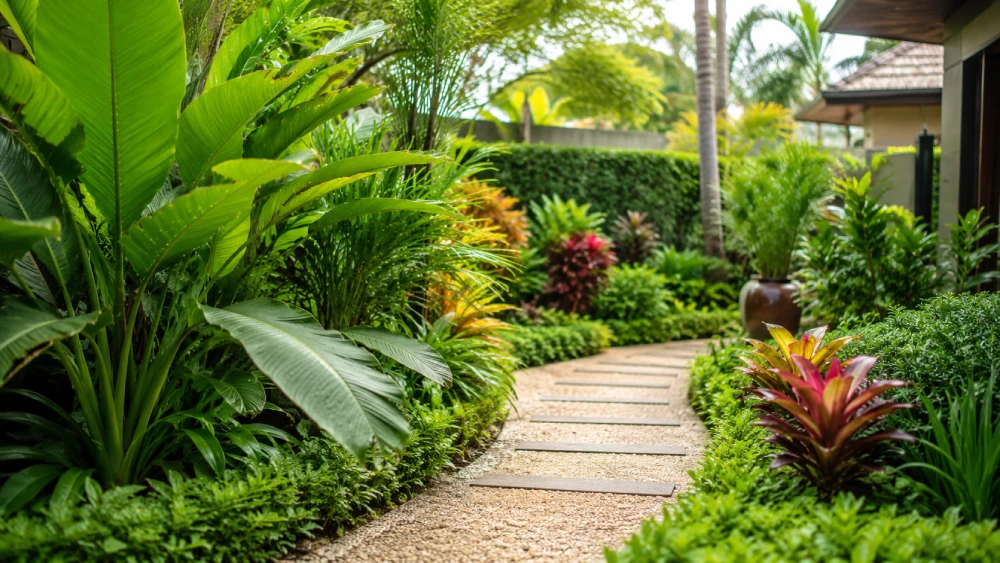
A private house, holiday villa, condominium, and short-term rental may require different access arrangements and presentation standards. Garden maintenance should reflect how the property is occupied and who is responsible for inspecting the completed work.
Overseas-Owned Properties
Owners who live outside Thailand may be unable to inspect rapid growth, irrigation faults, or storm damage personally. An overseas property management service in Phuket can coordinate inspections, approvals, photographs, and follow-up work.
Reports should show more than a freshly cut lawn. They should identify drainage conditions, unstable branches, damaged plants, pest signs, irrigation faults, and work that requires specialist attention.
This wider oversight helps owners determine whether garden problems are isolated or connected to the building. Moisture against walls, roots near paving, and blocked drains may require action beyond routine trimming.
Private and Rental Houses
Garden work at an occupied house should account for pets, children, vehicles, access routes, and the resident’s schedule. A clear house management in Phuket scope can coordinate outdoor work with inspections around roofs, walls, drains, gates, and utility areas.
Use this exact service link where the surrounding discussion concerns complete home oversight: house management in Phuket.
Garden waste should be removed promptly rather than left near entrances or shared boundaries. Residents should also be informed before noisy pruning, pesticide treatment, or temporary access restrictions begin.
Housekeeping and Outdoor Cleanliness
Garden maintenance can move soil, leaves, grass clippings, and insects toward terraces, entrances, outdoor kitchens, and indoor floors. The work schedule should therefore account for cleaning around areas affected by mowing or pruning.
Properties using housekeeping near me in Phuket can coordinate interior and exterior cleaning after disruptive garden work. The housekeeping team should not be expected to remove heavy branches or specialist garden waste unless that task is included.
Timing matters when the property is being prepared for owners or guests. Garden work should finish before final cleaning so dust and clippings are not carried back into completed areas.
Airbnb and Short-Term Rentals
Guest-facing gardens require safe paths, clear entrances, working exterior lights, and controlled vegetation around seating and pool areas. Disruptive trimming should be scheduled between stays whenever possible.
A luxury airbnb manager in Phuket can coordinate garden access with bookings, arrivals, maintenance windows, and guest communication. This reduces the risk of machinery noise or blocked outdoor areas during an occupied stay.
Garden reports should note hazards that could affect guests, including slippery paths, low branches, exposed irrigation lines, unstable pots, and plants obstructing signs or lighting.
Condominium Outdoor Areas
Condominium gardens may include private terraces, shared lawns, entrance planting, pathways, and common boundaries. Responsibility can differ between the individual unit owner, juristic management, and appointed contractors.
A condominium property management in Phuket arrangement should confirm which areas belong to the unit and which are managed collectively. Contractors should not prune shared plants or alter irrigation without proper approval.
Access rules, noise limits, waste removal, and working hours should be checked before maintenance begins. This prevents disputes with residents or building management.
Luxury Villas and Large Gardens
Large villa gardens often contain mature trees, palms, poolside planting, entrance features, boundary hedges, and several irrigation zones. These elements need coordinated inspections rather than isolated cutting.
A luxury villa management in Phuket service can schedule gardening around occupancy, pool maintenance, housekeeping, repairs, and owner visits. It should also define when specialist tree or irrigation work needs separate approval.
Garden presentation matters, but safety must come first. Hanging branches, exposed roots, damaged paving, and concealed drains should be corrected before cosmetic planting is prioritised.
Poolside Gardens
Grass clippings, leaves, soil, and fertiliser can enter a swimming pool during garden maintenance. Tree canopies and hedges may also increase debris when they extend over the water.
Coordinating garden work with a pool cleaning service Phuket properties can schedule after trimming helps remove debris before the pool is used. Garden chemicals should never be applied carelessly near water.
Plant selection around pools should consider root behaviour, leaf drop, thorns, fruit, and surface staining. Attractive planting that creates constant contamination may become expensive to maintain.
Arrival and Check-In Preparation
Garden inspections should be completed before a guest or owner arrives, especially after prolonged vacancy or heavy rain. Entrances, paths, lighting, gates, steps, and outdoor seating must remain visible and accessible.
Properties offering villas with 24 hour check-in near me in Phuket should keep arrival routes clear at night. Low branches, irrigation hoses, slippery leaves, and poorly placed pots can become harder to see after dark.
Final checks should confirm that contractors have removed tools, cut branches, waste bags, and other temporary obstructions from the property.
Tropical Garden Growth Management Across Phuket
Garden conditions vary according to elevation, sunlight, shade, soil, drainage, and proximity to the sea. Effective care must follow the property’s microclimate instead of applying one fixed schedule across the island.
Coverage extends across Bang Tao, Cherng Talay, Laguna, Surin, Kamala, Patong, Kathu, Chalong, Rawai, Nai Harn, Ya Nui, Friendship Beach, Kata, Karon, Mai Khao, Thalang, and surrounding Phuket areas.
Coastal gardens may experience salt-bearing wind and stronger exposure. Low-lying gardens may require more drainage monitoring, while shaded properties may retain moisture longer and need careful foliage thinning.
Take Control Before Growth Causes Damage
Overgrowth is easier to correct before it blocks drains, damages structures, or hides safety problems. Start with an inspection of plant density, drainage, irrigation, tree stability, and building clearance. Choose a garden maintenance service Phuket owners can rely on for documented work and condition-based recommendations. Confirm the scope, visit frequency, and reporting process before ongoing maintenance begins.
Tropical Garden Growth Management FAQs
Why does tropical garden growth accelerate in rain?
Tropical garden growth accelerates when warm temperatures, water, and available nutrients support active development. Grass, weeds, vines, and hedges may grow at different rates, causing the garden to lose its shape quickly. Rain can also delay mowing or pruning when the ground becomes too soft. Maintenance frequency should follow actual growth, access conditions, and plant needs instead of one fixed calendar.
Can tropical garden growth block Phuket drains?
Yes. Tropical garden growth can introduce leaves, roots, stems, soil, and cut material into drainage channels. Dense groundcover may conceal a blockage until water starts pooling. Drains should be inspected before extended rainfall and after major trimming. Green waste must be collected instead of being left where runoff can carry it into channels, grilles, or low garden areas.
Does tropical garden growth increase fungal risk?
Dense tropical garden growth can restrict airflow and keep foliage wet longer after rainfall or irrigation. These conditions may support fungal problems, although spots and yellow leaves can have other causes. Thin overcrowded plants, remove affected material, examine watering practices, and identify the condition before choosing treatment. Fungicide will not correct waterlogging, damaged roots, or unsuitable soil.
How does tropical garden growth affect irrigation?
Tropical garden growth changes how water reaches and moves through a planting area. Dense foliage may intercept overhead irrigation, while expanding roots and canopies can change demand within individual zones. Check emitter coverage, pressure, leaks, shade, and soil moisture as plants mature. Irrigation settings should also be adjusted between wet and dry periods instead of operating on one permanent schedule.
Can tropical garden growth damage paving?
Uncontrolled tropical garden growth may contribute to paving damage when vigorous roots exploit gaps or move weak edges. However, every root near paving does not require removal. Inspect the plant species, mature size, root position, and existing construction condition. Selective pruning, root management, relocation, or paving repair may be appropriate depending on the actual cause.
Does tropical garden growth attract snakes?
Tropical garden growth does not guarantee that snakes will enter a property. Dense groundcover, debris, standing water, and hidden areas can provide shelter or make animals harder to detect. Keep access routes visible, remove unnecessary hiding places, control rodent food sources, and maintain clearance around building openings. Contact trained wildlife support when an animal creates a genuine safety risk.
How can overseas owners monitor garden growth?
Overseas owners should monitor tropical garden growth through structured reporting rather than simple attendance messages. Request dated photographs from consistent viewpoints, completed-task lists, irrigation findings, drainage conditions, pest observations, and recommended follow-up work. Comparing the same areas over time shows whether growth is controlled and whether recurring faults are being corrected instead of temporarily hidden.