One of the first big decisions every Phuket property owner has to make is also one of the most consequential: should you rent the home short-term to holiday guests, or commit to long-term tenants on six- or twelve-month contracts? Both routes can be profitable. Both have trade-offs. And the right answer depends almost entirely on your property, your location, and what you actually want out of the investment.
This guide breaks the two strategies down side by side — not in theory, but the way they actually play out for villa and condo owners in Phuket today.
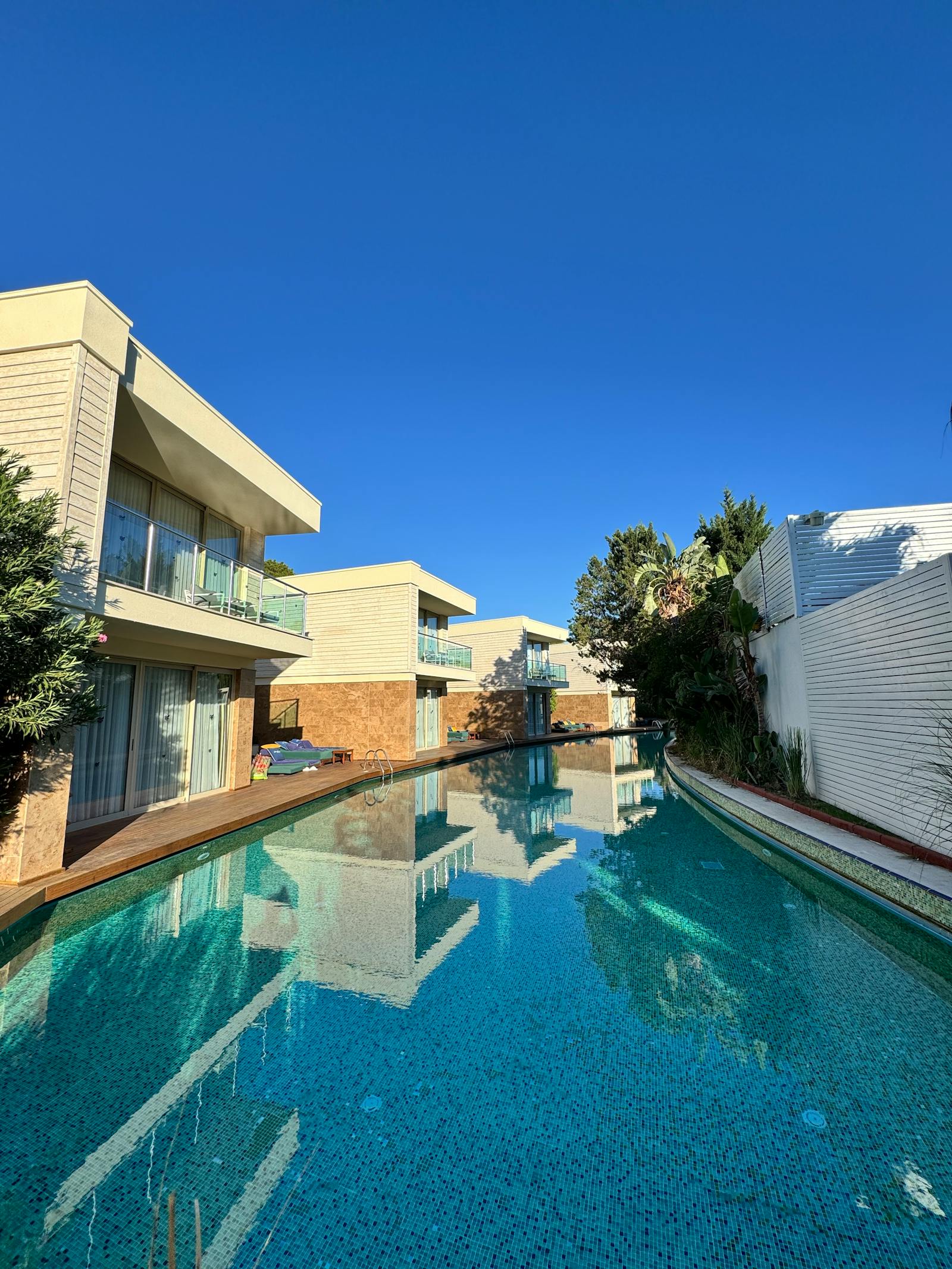
Short-Term Rentals: The Headline Numbers and the Real Story
Short-term rentals — typically nightly or weekly stays sold through Airbnb, Booking.com or direct channels — offer the highest gross income potential on a per-night basis. A well-presented villa in a desirable area can earn several times more during high season than the equivalent monthly long-term rental rate.
That headline figure, however, is gross. The real picture once you subtract platform commissions, channel manager fees, cleaning between guests, linen replacement, higher utility consumption, marketing, professional photography, dynamic pricing tools and management fees is materially lower. And then there’s occupancy: a villa that earns brilliantly in January and February might sit half-empty in September.
Who Short-Term Works Best For
Short-term rentals tend to suit owners who want strong cash flow during peak season, owners who plan to use the property themselves for chunks of the year, and owners with properties in tourist-driven areas — think Patong, Kata, Bang Tao and the west coast beaches. They also work well for higher-end villas where the experience justifies premium nightly rates.

Long-Term Rentals: Steadier, Simpler, More Predictable
Long-term rentals — typically six- to twelve-month leases to expats, remote workers, retirees or families relocating to Phuket — work differently. Nightly equivalents are lower, but occupancy is effectively 100% for the duration of the lease, costs are dramatically reduced (no daily cleaning, far less linen, no nightly platform commissions), and management overhead drops considerably.
Tenants typically pay their own utilities, look after day-to-day cleaning, and treat the property more like a home. Voids between tenants do happen, but they’re usually predictable and the wider rental cycle is far smoother.
Who Long-Term Works Best For
Long-term rentals suit owners who prioritise stable, hands-off income, owners who don’t intend to use the property regularly, and properties in areas with strong year-round resident demand — Rawai, Chalong, parts of Cherng Talay, and condos near international schools or business hubs perform especially well here.
Comparing the Two Side by Side
If we strip both strategies down to their operational reality, the trade-offs become clearer. Short-term rentals offer higher gross income, owner-use flexibility and seasonal upside — in exchange for higher operating costs, intense management workload, and revenue volatility. Long-term rentals offer predictability, lower costs and minimal hassle — in exchange for lower gross income and limited owner access.
In other words, the question is rarely ‘which one makes more money’ in the abstract. It’s ‘which one makes more money for this specific property, in this specific location, given how much I want to be involved.’
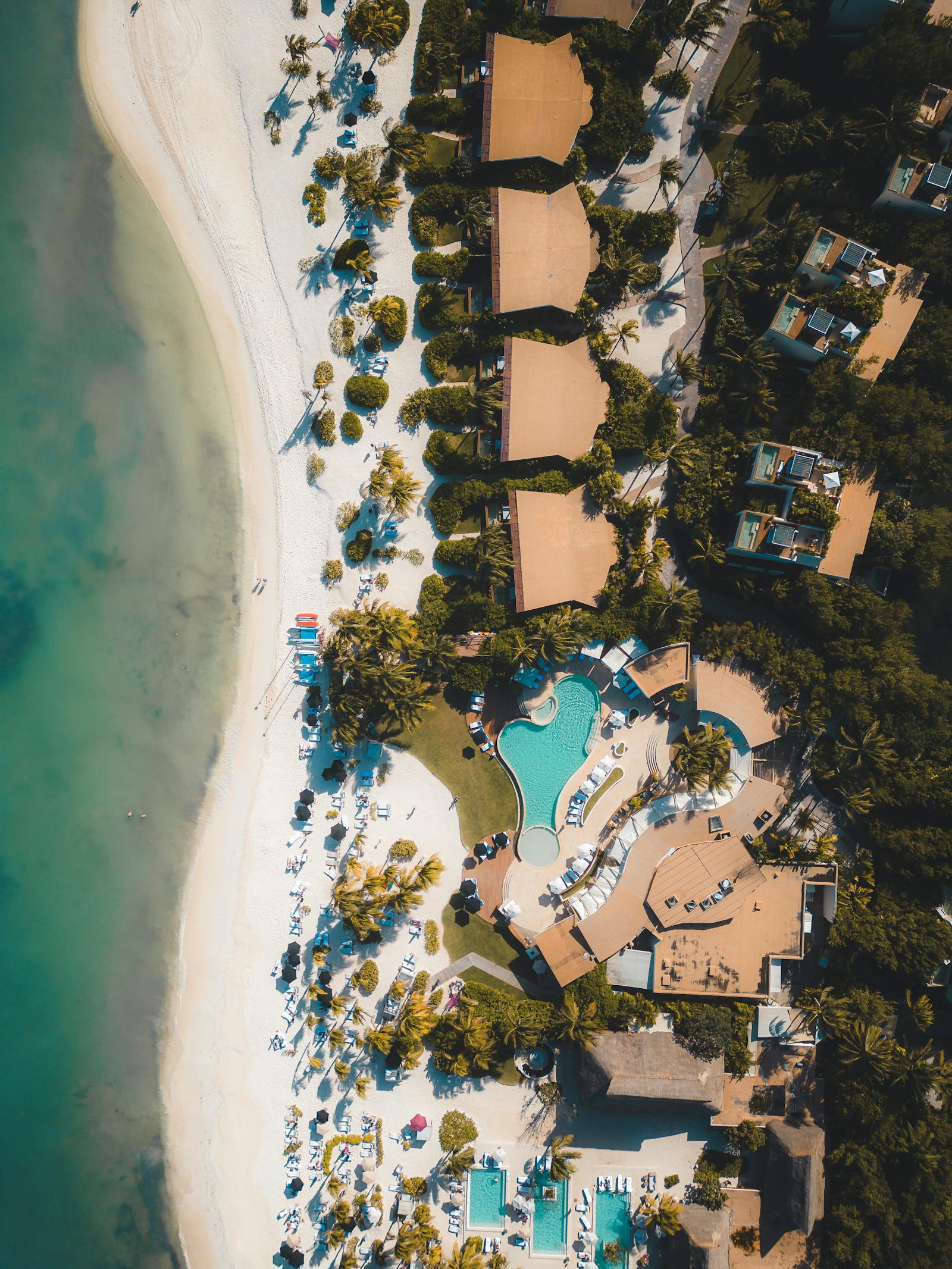
Hybrid Strategies: The Middle Ground
A growing number of Phuket owners use a hybrid model: long-term tenants during the green season (roughly May to October) when nightly demand softens, and short-term holiday rentals during the high season (November to April) when nightly rates peak. Executed well, this can capture the best of both approaches — but it requires careful contract structuring, realistic high-season pricing, and a manager who can switch operational modes cleanly.
Hybrid models work especially well for villas in tourist-led areas that also have steady expat demand, and for condos in mixed-use locations.
Legal and Licensing Considerations
Thailand’s Hotel Act technically restricts daily rentals under 30 days unless the property holds an appropriate licence, and condo juristic persons may have their own rules around short-term letting. Long-term rentals are far simpler from a regulatory standpoint.
This doesn’t mean short-term rentals are off the table — many owners operate successfully within the rules, particularly through licensed villa estates and developments designed for short stays. It does mean that before committing to a short-term model, you should confirm what’s allowed at your specific property and structure things accordingly.

Frequently Asked Questions
Which strategy gives a better return overall?
There’s no universal answer. In well-located, well-presented villas in tourist-heavy areas, short-term rentals often produce a higher net return — but the difference shrinks once full operating costs are factored in. Long-term rentals frequently win on a risk-adjusted basis.
Can I use my property myself if I rent it long-term?
Generally no — once a long-term lease is in place, the tenant has full use of the property for the lease period. Short-term and hybrid models give you more personal-use flexibility.
How much should I budget for short-term operating costs?
As a rough working figure, owners often see 30–45% of gross short-term revenue absorbed by combined costs (commissions, cleaning, linen, utilities, marketing and management). The number swings depending on rate position, property size and occupancy.
What happens in low season?
Short-term occupancy typically drops in the green season, so nightly rates and minimum stays usually need to be adjusted. Long-term rentals are unaffected. Hybrid owners switch into long-term mode for the quieter months.
Final Thoughts
Choosing between short-term and long-term rentals isn’t really a numbers exercise — it’s a fit exercise. The strongest returns come from matching the right property in the right location to the right strategy, then executing that strategy properly. If you’d like a tailored projection for your specific Phuket property, we’re always happy to run the numbers and talk through what would suit you best.
Related Reading
If you found this useful, you might also like these guides from our team:
- Thailand Property Faces a Fourth Year of Decline: What It Means for Phuket in 2026
How Thailand’s wider housing slowdown is shaping the outlook for Phuket property in 2026. - A Complete Guide to Property Management in Phuket: What Owners Should Expect in 2026
A full owner’s walk-through of what professional property management in Phuket actually covers. - Maintaining a Phuket Villa: The Owner’s Checklist for Year-Round Upkeep
The year-round maintenance checklist that keeps Phuket villas in top condition through every season. - Phuket Rental Yields, Fees & Legal Essentials: What Foreign Owners Need to Know
Realistic rental yield expectations, fee structures and legal essentials for foreign owners in Phuket.