A landlord may say pets are allowed, but that permission can fail when the condominium rules, estate bylaws or tenancy agreement apply different conditions. Tenants can then face rejected applications, unexpected cleaning charges or neighbour complaints after moving in.
Experienced property managers prevent these problems by checking every level of approval before accepting an animal. They verify the property rules, assess the individual pet, document the decision and explain who pays for proven damage. The safest pet arrangement begins before the tenancy agreement is signed.
Quick Check: Before choosing a provider, hire a house management company in Phuket that verifies estate rules, pet limits, written approval, and tenant responsibilities before the tenancy begins.
How Do Property Management Companies Handle Pets?
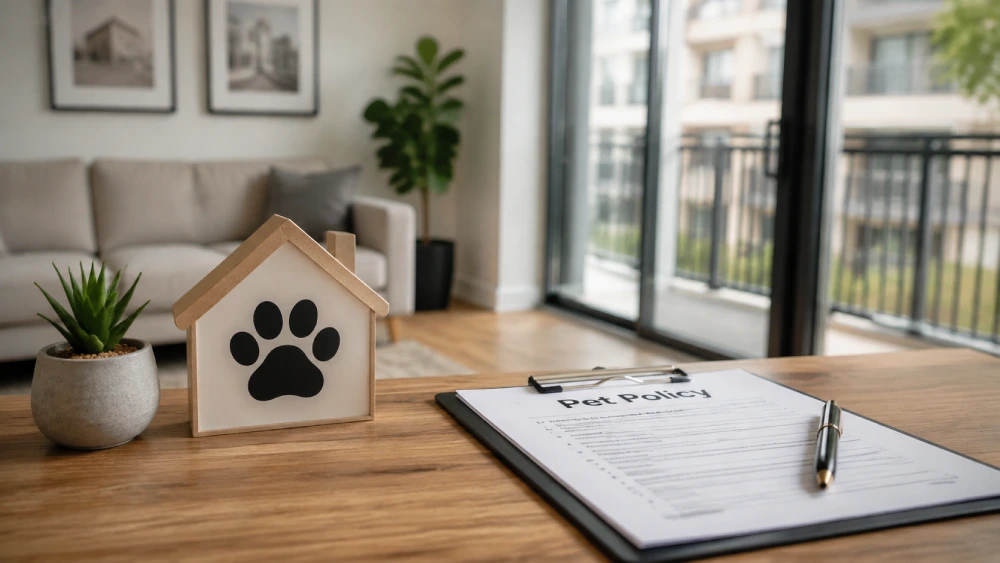
Property managers handle pets through three connected controls. They confirm whether the building and property allow the animal, check size and number limits, and create written records showing exactly what the owner and tenant have approved.
Pet Management Controls at a Glance
The following controls should be completed before the tenancy, monitored during occupancy and reviewed when the tenant leaves.
| Management control | What the manager verifies | Problem it prevents |
| Building permission | Juristic office, estate and common-area rules | Owner approval conflicting with building rules |
| Owner consent | Written approval from the legal owner | Verbal permission being disputed later |
| Pet profile | Species, age, size, number and health records | Approval being applied to a different animal |
| Pet addendum | Approved animal and tenant responsibilities | Unclear conditions during the tenancy |
| Financial terms | Deposits, cleaning charges and deductions | Unexpected fees and refund disagreements |
| Move-in report | Floors, doors, furniture and outdoor areas | Existing damage being blamed on the pet |
| Complaint process | Noise, hygiene and common-area behaviour | Complaints escalating without evidence |
| Exit inspection | Changes since the documented move-in condition | Unsupported deposit deductions |
A clear property management company operating process begins with verification rather than assumptions. The manager checks the owner’s position, property rules and proposed pet before making any promise to the tenant.
Pet handling also falls within the wider property manager duty overview. These duties may include reviewing pet applications, preparing tenancy records, conducting inspections and responding to complaints.
The exact Phuket property manager handling scope should be defined in the management agreement. Owners need to know whether the manager can approve animals directly or must obtain separate permission for every request.
Reliable property management services keep the owner’s decision, building rules, pet records and tenant agreement in one organised file. This prevents the owner, tenant and building office from working with conflicting information.
How Do Property Management Companies Handle Pets: Rules
Building and estate rules determine whether pet approval is possible. Property managers must confirm these conditions before discussing deposits, cleaning requirements or tenancy terms with an applicant.
The Owner May Not Make the Final Decision
A property owner may accept pets while the condominium juristic office or managed estate prohibits them. In that situation, the owner’s informal approval may not be enough for the tenant to keep an animal under the building rules.
The manager should obtain written confirmation from every party whose permission is required. This may include the property owner, condominium management office or gated estate management team.
The Phuket condo tenant handling process becomes especially important when the owner and building apply different standards. The manager must explain which rule controls before the tenant pays money or signs an agreement.
Professional condominium management in Phuket may involve checking:
- Whether animals are permitted inside individual units
- Which species or pet types are accepted
- Whether pets can use lifts or indoor lobbies
- Whether carriers or leads are required
- Where pet waste must be disposed of
- Which gardens or shared facilities are restricted
- How neighbour complaints are handled
A standalone house may offer more flexibility, but approval is still not automatic. A managed housing estate may restrict roaming animals, repeated noise, common-area access or the total number of pets permitted at one property.
Written Pet Rules Prevent Mixed Messages
A listing that simply says “pet-friendly” does not give tenants enough information. It may mean that one small indoor cat is accepted, not that every dog, bird, rabbit or group of animals will be approved.
The Phuket property management contract structure should define who can approve pets and who handles inspections, complaints and damage claims. The tenancy agreement should then contain a matching pet addendum.
A practical pet addendum should identify:
- The approved pet’s species and description
- The maximum number of animals permitted
- Any applicable size or type restrictions
- The areas the animal may use
- Noise and hygiene responsibilities
- Waste-removal requirements
- The process for reporting damage
- The conditions for adding another pet
- The consequences of keeping an undisclosed animal
Owners reviewing Phuket property manager selection factors should ask when these checks are completed. A manager who waits until after receiving an application can waste the tenant’s time and expose the owner to avoidable disputes.
The Phuket property manager verification checklist should also cover recordkeeping. Owners should ask how approvals, inspection photographs, tenant notices and complaint records are stored.
Clear rules protect responsible tenants as well as property owners. A tenant who follows the agreed conditions should not face unexpected restrictions based only on an informal complaint or a later change of opinion.
How Do Property Management Companies Handle Pets: Limits
Pet size, type and number limits should come from the rules governing the specific property. Managers should not assume that one standard applies to every condominium, villa or house in Phuket.
How Pet Limits Change by Property Type
The manager compares the tenant’s pet profile with the owner’s requirements and any building or estate restrictions.
| Property type | Who may set the pet conditions? | What the manager must check |
| Condominium | Juristic office, bylaws and unit owner | Permission, animal type and common-area rules |
| Gated villa | Estate management and property owner | Number, outdoor conduct and noise restrictions |
| Standalone house | Property owner and lease terms | Size, number, garden use and damage risks |
| Furnished rental | Owner, manager and building rules | Furniture protection and cleaning conditions |
| Short-stay rental | Owner, booking conditions and manager | Guest disclosure, cleaning and checkout liability |
The manager should request a complete pet profile before confirming suitability. This may include the animal’s species, breed where relevant, age, approximate adult size, total number and vaccination status.
The property manager rental decision signs become clearer when owners receive frequent pet requests but do not have time to assess each one properly. A manager can apply a consistent review process to every applicant.
Pet limits should be disclosed before the tenant pays a holding deposit. Creating new restrictions after the tenant has already provided accurate information is likely to cause frustration and mistrust.
Houses Still Require Formal Pet Approval
Houses may provide more space and fewer shared-area restrictions than condominiums. However, a tenant should not assume that every detached property automatically permits pets.
Professional house management in Phuket can include checking:
- Whether the owner accepts the proposed animal
- Whether estate regulations apply
- Whether garden boundaries are secure
- Whether outdoor roaming is prohibited
- Whether furniture requires protection
- Whether the animal could disturb neighbouring homes
- Whether additional cleaning conditions apply
Multiple pets require a more detailed assessment. Two cats, several dogs or a combination of less common animals should not be reviewed through a simple yes-or-no question.
A practical review considers the total number of animals, their expected adult size, indoor or outdoor arrangements, noise risks, escape risks and cleaning requirements.
This forms part of responsible Phuket rental home protection methods. Protecting a property does not require refusing every tenant with animals. It requires matching the tenant and pet to a property that can accommodate them properly.
The manager should avoid promising that a house or villa will automatically accept several pets. The owner’s approval, estate rules and physical condition of the home must still support the decision.
Short-Stay Pets Need Separate Controls
Short-term properties have frequent guest changes and shorter cleaning periods. Their pet conditions must therefore be visible before booking and consistent across every listing channel.
The vacation rental property manager role may include confirming the animal before arrival, explaining restricted areas and arranging an inspection or additional cleaning after checkout.
The wider short-term rental management scope should distinguish between an approved guest pet and an undisclosed animal. The booking record should identify what was accepted and which conditions applied.
Reliable Airbnb management in Phuket should keep pet rules consistent across the listing, booking confirmation and guest instructions. A home should not appear pet-friendly on one platform while prohibiting animals elsewhere.
Guests should be informed about:
- Permitted pet types and numbers
- Indoor and outdoor restrictions
- Furniture protection requirements
- Waste-disposal procedures
- Additional cleaning conditions
- Responsibility for documented damage
- Checkout inspection requirements
Clear disclosure reduces last-minute disagreements between the guest, owner and management team.
How Do Property Management Companies Handle Pets: Records
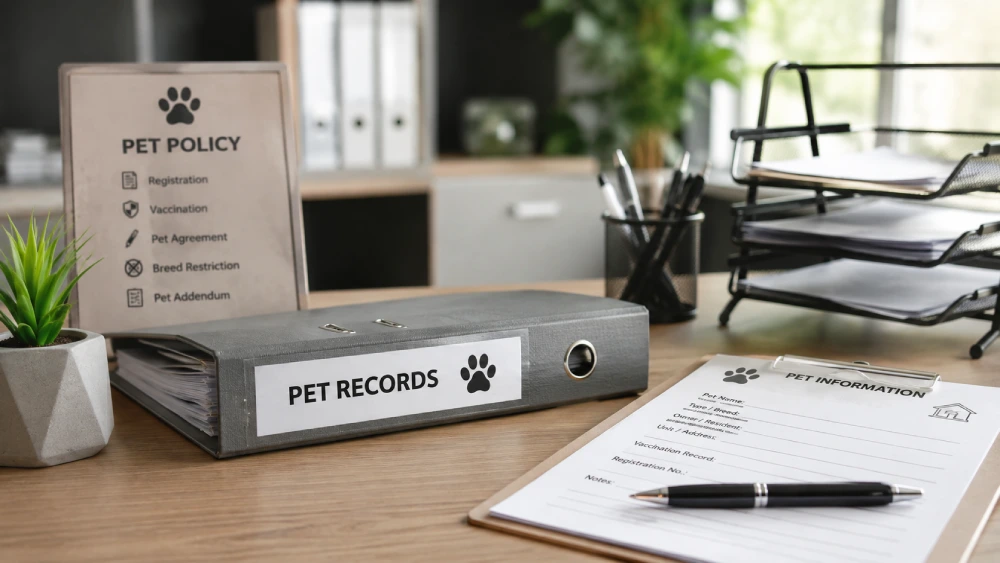
Pet registration within a rental normally means documenting the approved animal with the owner, property manager, building office or estate management. Managers should not present property-specific registration as a universal Phuket government requirement.
What a Pet Approval File Should Contain
Good records connect the tenant, approved animal and exact property rules. They also show what information the manager reviewed before granting permission.
A pet approval file may contain:
- Tenant name and property address
- Pet name, species, age and description
- A recent photograph of the pet
- Vaccination or health records when required
- Written owner approval
- Building or estate approval
- Emergency contact information
- Signed pet addendum
- Deposit and cleaning conditions
- Approval and renewal dates
Each record should serve a practical purpose. Unnecessary paperwork does not improve control, but missing approval details can make later disputes difficult to resolve.
The manager should state whether approval applies only to the named animal. Permission for one cat should not automatically allow another cat, a dog or a replacement pet.
Inspections Require Before-and-After Evidence
Deposit disputes often begin because the property condition was not documented accurately at move-in. The manager should photograph vulnerable surfaces before handing over the keys.
The property manager inspection focus areas may include:
- Doors and door frames
- Flooring and skirting
- Furniture and upholstery
- Curtains and screens
- Balconies and railings
- Garden areas
- Fences and gates
- Existing stains or odours
The inspection should record facts rather than assume that every mark is related to the animal. Existing scratches, worn furniture and garden problems must be documented before the tenancy begins.
During the tenancy, inspections should follow the agreement and applicable notice conditions. The manager may look for unauthorised animals, serious hygiene problems, property damage or repeated breaches of the pet rules.
When damage is identified, the property management repair handling process should separate urgent repairs from cosmetic issues. The manager documents the problem, informs the relevant parties and arranges authorised work.
At checkout, the current property condition should be compared with the original dated record. Ordinary wear should not automatically be classified as pet damage.
Pet Cleaning Charges Need Evidence
Additional cleaning may be justified when there is excessive hair, persistent odour, staining or affected upholstery. However, the manager should explain exactly what work is required and why.
Professional housekeeping services in Phuket may be used for:
- Removing excessive pet hair
- Treating affected upholstery
- Cleaning stained surfaces
- Addressing persistent odours
- Cleaning pet-used outdoor areas
- Preparing the property for the next occupant
A deduction should identify the affected area, its original condition, its checkout condition and the cost of the required work.
A vague entry such as “extra pet cleaning” does not provide enough evidence for a serious deposit deduction. The tenant and owner should be able to understand what was cleaned and how the amount was calculated.
Complaints Need a Fair Escalation Process
Neighbour complaints often involve barking, waste, odours or animals entering restricted areas. Managers should record the complaint before deciding what action is justified.
The complaint record should include:
- The date and time
- The reported location
- The behaviour described
- Any supporting evidence
- Whether similar complaints were made previously
- The rule that may have been breached
The first response is normally a written notice explaining the problem and the corrective action required. Repeated or serious breaches may require an inspection or further enforcement under the tenancy agreement.
Managers should not reveal unnecessary personal information to the complainant. They can confirm that the concern is being investigated without disclosing the tenant’s private records.
A fair process should also allow the tenant to respond. A complaint may concern a visiting animal, another property or a misunderstanding about an approved route through a common area.
Set Pet Conditions Before the Tenant Moves In
Pet-related problems become expensive when permission is vague, records are incomplete or rules are introduced after the tenant has moved in. Owners should confirm the property rules, tenant responsibilities and inspection process before approving an animal.
The practical next step is to hire a house management company in Phuket that can document those controls and apply them consistently throughout the tenancy.
Pet Management Questions Owners Ask
Do Property Managers Keep Pet Fees?
Whether property managers keep pet fees depends on how the payment is described and what the management agreement permits. A refundable pet deposit should be treated differently from earned management income or a disclosed cleaning charge.
The written terms should explain who holds the money, what deductions are permitted and when any remaining balance will be returned. Owners and tenants should not rely on an informal explanation of whether the payment is refundable.
How Do Property Managers Handle Short Pet Leases?
Property managers handle pets on shorter leases by confirming the lease duration and animal conditions before arranging the tenancy. Some properties may accept pets but require longer commitments, while others may offer six-month agreements but prohibit animals.
Both requirements should be verified before the tenant attends viewings or pays a holding deposit. The shorter tenancy does not remove the need for written approval, condition reports and cleaning terms.
How Do Property Managers Handle Multiple Pets?
Property managers assess multiple pets by reviewing their number, species, size, behaviour and living arrangements. They also compare the request with the owner’s requirements and any building or estate restrictions.
Approval for one animal should not be assumed to cover additional pets. Every approved animal should be identified in the pet addendum or property record.
How Do Managers Handle Cats and Dogs Differently?
Cats and dogs can create different practical concerns. Dogs may raise questions about barking, outdoor movement, lifts and shared walkways. Cats may require balcony safety checks and can cause scratching, odour or escape concerns.
Managers should still assess the individual animal rather than relying only on species. The written approval must show the actual conditions applying to that pet.
How Do Managers Handle Undisclosed Pets?
The manager should first verify the facts and review the tenancy agreement, pet clause and applicable property rules. An unconfirmed complaint should not automatically be treated as proof.
When an unauthorised animal is confirmed, the tenant should receive written notice explaining the breach and the action required. Depending on the agreement, the tenant may need to apply for approval, remove the animal or correct related damage.
How Do Managers Handle Pet Damage?
Property managers compare the checkout condition with dated move-in records. Any deduction should be supported by photographs, inspection notes and a clear repair or cleaning calculation.
Ordinary wear should not be classified as pet damage simply because an animal occupied the property. The manager should identify the affected area and explain why the tenant is responsible.
How Do Managers Handle Pets in Short-Stay Rentals?
Property managers should publish clear pet rules before booking, confirm the animal before arrival and explain any cleaning or damage conditions. The approved pet should be recorded in the booking details.
Checkout charges should be based on documented cleaning requirements or property damage rather than an automatic assumption that every pet creates additional work.