Why condo is expensive? In Phuket, the answer usually involves more than the purchase price. Location, land value, construction quality, shared facilities, foreign buyer demand, common-area fees, taxes, repairs, and rental operating expenses can all affect what owners pay. A condominium near popular beaches or within a development with extensive facilities may carry higher costs than a simpler residential building. However, an expensive purchase does not automatically produce strong rental returns.
Pearl Property Management Company helps owners understand ongoing expenses through condominium administration, tenant coordination, utility records, housekeeping, maintenance planning, rental reporting, and property cost monitoring across Phuket.
Quick Check: Before purchasing or renting out a Phuket condo, review common fees, repair obligations, rental expenses, and ongoing ownership costs with Pearl Property Management Company’s development fee oversight in Phuket.
Why Is a Condo Expensive? Main Cost Factors
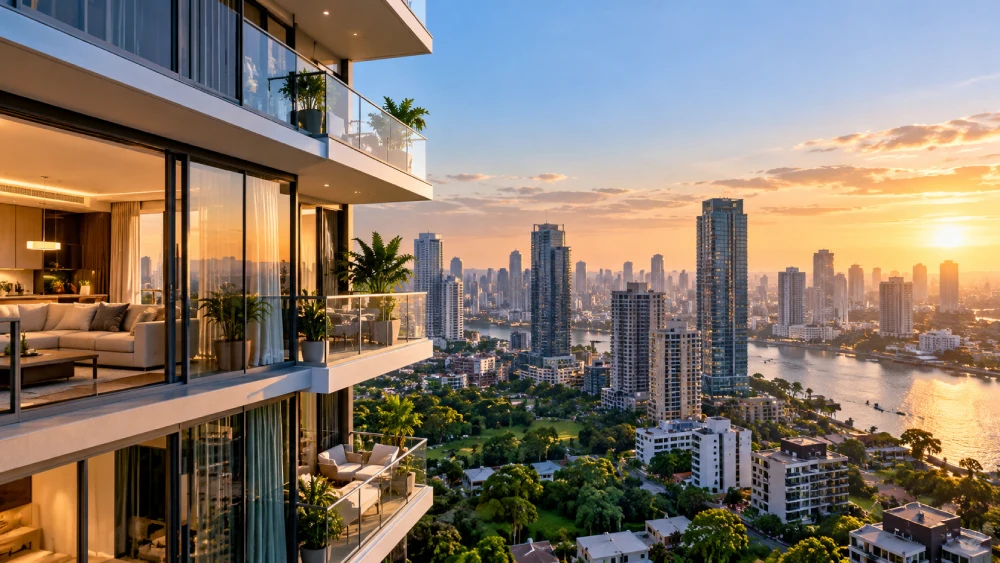
A condominium becomes expensive when the cost of acquiring and operating the unit reflects several different expenses.
Purchase price is the most visible figure, but it does not represent the complete ownership budget.
Premium locations, building specifications, shared facilities, ownership eligibility, and expected rental demand can influence selling prices. After purchase, owners continue paying for building contributions, private repairs, utilities, insurance where applicable, taxes, and management.
Phuket Condo Cost Breakdown
| Cost Factor | Why It Can Increase Expenses | What Owners Should Check |
| Location | Desirable sites may command higher property values | Comparable units in the same area |
| Construction | Materials, finishing, systems, and building specifications affect costs | Building quality and maintenance history |
| Shared facilities | Pools, gyms, lifts, security, and gardens need maintenance | Common-area fee schedule |
| Building management | Staffing and administration create ongoing expenses | Juristic-office financial records |
| Sinking fund | Major repairs need reserve funding | Contributions and fund position |
| Foreign ownership | Eligible ownership may affect buyer demand | Foreign quota and legal status |
| Taxes and transfer | Ownership and transactions can create additional costs | Applicable taxes and transfer obligations |
| Rental operation | Tenants and guests create ongoing work | Cleaning, utilities, repairs, management |
| Building age | Equipment and infrastructure may require replacement | Maintenance plan and reserve funding |
Phuket’s condo market isn’t a single price category. CBRE’s first-half 2026 market research documented new condominium development activity and differing levels of project completion. Buyers should therefore examine individual developments rather than assume every location or building follows the same pricing pattern.
The Phuket condominium asking-price comparison factors provide a useful starting point for comparing ownership budgets.
Pearl Property Management Company helps owners distinguish purchasing assumptions from real operating expenses through condominium income and cost separation.
Prime Locations Raise Condo Purchase Prices
Location can have a major influence on condominium pricing.
Units close to beaches, established resort districts, shopping, restaurants, or desirable residential amenities may attract buyers who value convenience and lifestyle.
Properties with sea views, good road access, established surroundings, and attractive building facilities can also command premiums compared with less convenient alternatives.
This does not mean every coastal condo is expensive or every inland unit is affordable.
Two properties in the same district may have very different values because of building age, usable floor area, view, construction standards, ownership status, and management quality.
CBRE reported in August 2026 that Bang Tao and Cherng Talay were particularly sought-after areas in its first-half Phuket condominium transaction data.
Location Premiums To Compare
Before paying more for a particular address, buyers should investigate the following:
- Actual distance and access to the places they intend to use.
- Unit size and price per square metre.
- Building age and general condition.
- Views, privacy, parking, and noise exposure.
- Common fees and planned major maintenance.
- Comparable properties available nearby.
- Rental restrictions and realistic tenant demand.
Pearl Property Management Company can help owners assess ongoing property responsibilities after purchase, including inspections, tenant communication, and maintenance coordination.
A higher purchase price makes sense only when the property’s characteristics justify the expense for the intended use.
Construction Quality And Facilities Affect Prices
Condominium buyers pay for more than the private apartment.
A development may contain lifts, security systems, fire protection, shared lighting, reception facilities, parking, swimming pools, gyms, landscaped areas, and other building infrastructure.
These elements require construction investment and continuing maintenance.
Premium finishes, extensive glazing, high-quality fixtures, waterproofing, drainage systems, and complex mechanical equipment may also increase development costs.
However, expensive materials or attractive common areas do not necessarily mean a building is well maintained.
Buyers should review the condition of shared equipment, building maintenance records, reported defects, and planned replacement work.
A development with impressive facilities but weak maintenance planning may expose owners to future expenses.
The important question is whether the construction standard and facilities provide lasting value relative to both the purchase price and ongoing contributions.
Common Area Fees Make Condos Expensive
Common-area fees are one of the clearest reasons condominium ownership can feel expensive after purchase.
These contributions generally support designated shared property and building operations.
Typical shared responsibilities include security, lifts, corridors, shared lighting, common-area cleaning, equipment servicing, pools, landscaping, and building administration.
The luxury development common-expense allocation method explains how facility choices influence recurring building costs.
Owners should review the fee schedule before buying rather than assuming the advertised unit price represents the full cost.
Common Area Costs Versus Private Expenses
| Expense | Usually Managed Through | Owner’s Main Concern |
| Shared lifts | Condominium juristic person | Regular servicing and replacement planning |
| Building security | Common-property budget | Staffing and access-system expenses |
| Shared swimming pool | Common-property management | Cleaning, chemicals, filtration, repairs |
| Landscaping | Building maintenance arrangements | Routine work and seasonal upkeep |
| Private air-conditioning | Unit owner or assigned party | Repairs and equipment replacement |
| Private furniture | Unit owner | Wear, damage, refurbishment |
| Rental cleaning | Owner or rental operator | Cleaning frequency and turnover |
| Private-unit management | Appointed property manager | Contract scope and management fees |
A condo owner should distinguish the juristic person’s common-area fees from any separately appointed private property manager.
The condo management fee calculation and included tasks explains why different management arrangements can produce different costs.
Pearl Property Management Company can help owners monitor unit-level expenses while coordinating relevant matters with the building office.
Sinking Funds And Major Repairs Add Costs
Condominiums contain shared building systems that eventually require repair or replacement.
Lifts, pumps, roofing, structural waterproofing, fire systems, shared electrical equipment, and other infrastructure do not last indefinitely without maintenance.
A sinking fund or reserve arrangement is intended to help finance major common-property expenditure.
The exact contribution method depends on the condominium’s registered arrangements and financial decisions.
A low monthly common-area fee does not automatically mean a development is cheaper to own over the long term.
If a building has insufficient reserves or deferred maintenance, owners may face additional contributions when substantial repairs become necessary.
Before purchasing, request relevant financial statements, maintenance plans, reserve information, and records of approved or proposed major work.
For condo owners, the private-unit versus shared-building management scope helps clarify which maintenance concerns belong to the individual owner and which need juristic-person action.
Foreign Ownership Can Influence Demand
Foreign buyers form an important part of Phuket’s residential property market, particularly in established international property locations.
Thailand permits qualifying foreigners to own registered condominium units under applicable legal requirements.
The general foreign ownership limit is 49% of the total unit area of a registered condominium building.
This quota can influence purchasing decisions because foreign buyers need to verify whether a particular unit is eligible for direct foreign ownership.
However, foreign quota status does not guarantee a higher sale price or future appreciation.
Price still depends on the individual property, market demand, condition, location, and availability of comparable units.
The foreign ownership quota verification steps explain why title documentation and ownership eligibility should be checked before buying.
Pearl Property Management Company can help with ongoing operations after acquisition, while a qualified Thai property lawyer should review legal ownership questions.
Taxes And Transfer Costs Increase Ownership Budgets
A condo buyer needs to budget beyond the agreed property price.
Depending on the transaction and circumstances, expenses can include transfer charges, legal costs, applicable taxes, and other administrative obligations.
Thailand’s official government guidance identifies a standard condominium transfer fee of 2% of the property’s appraised value, subject to applicable rules and concessions.
The allocation of transaction expenses between buyer and seller should be confirmed in the sale agreement.
After purchase, land and building tax or rental income taxation may also be relevant depending on ownership and property use.
The condominium ownership tax assessment factors help owners understand why different uses of the same type of property can create different tax questions.
Pearl Property Management Company can help maintain operating records and expense documentation.
Owners should consult qualified legal and tax advisers for formal assessments and transaction-specific obligations.
Rental Management Fees Reduce Net Income
A condo can appear attractive as an investment when the owner looks only at expected rent.
However, gross rental income does not represent net profit.
Owners may need to account for building contributions, utilities, repairs, housekeeping, tenant turnover, insurance, management fees, vacancy, and taxes.
The manager’s role also affects what the owner pays.
Some management agreements cover only specific tenant administration tasks. Others include wider inspection, maintenance coordination, guest support, and financial reporting.
The property management percentage calculation methods explain why fee comparisons should consider both the charging basis and included responsibilities.
A clear management agreement should identify what is included, which work is charged separately, and who approves additional expenses.
Pearl Property Management Company supports owners who want operating expenses monitored alongside the rental income they generate.
Airbnb Operation Adds Variable Expenses
Rental condos may face different operating costs depending on the permitted rental strategy.
A longer tenancy may require periodic inspections, repairs, lease administration, and utility monitoring.
Frequent guest turnover generally adds more cleaning, check-in, laundry, guest communication, and property reset work.
Owners must first verify that the intended rental activity complies with condominium regulations and applicable Thai accommodation laws.
Where the rental arrangement is permitted, Pearl Property Management Company can coordinate rental operating cost controls to help owners monitor booking-related work and expenditure.
Costs should be separated into fixed building expenses and variable rental expenses.
Fixed And Variable Rental Costs
| Expense Type | Examples | Monitoring Approach |
| Fixed or recurring | Common fees, agreed management charges | Monthly expense review |
| Usage-based | Electricity, water, internet adjustments | Bill and consumption records |
| Turnover-based | Cleaning, laundry, guest supplies | Per-booking records |
| Maintenance | Appliance repairs, replacement items | Work orders and invoices |
| Unexpected | Emergency repair or damage | Separate incident documentation |
| Revenue-related | Booking platform or management charges | Reconcile against collected rent |
Owners should avoid calculating returns from advertised nightly rates without considering actual bookings, vacancies, expenses, and applicable restrictions.
Housekeeping Creates Ongoing Rental Costs
Housekeeping is another expense that can make a rental condo more costly to operate.
A property needs to be cleaned before new occupants arrive and checked after departure.
More frequent turnover increases the need for bathroom cleaning, floor care, linen changes, kitchen preparation, supplies, and condition checks.
The full cleaning cost depends on the unit’s size, condition, furnishing, frequency of service, and agreed scope.
Pearl Property Management Company provides housekeeping services cost in Phuket as a relevant budgeting consideration for owners arranging unit cleaning and rental preparation.
Owners should obtain an actual service quotation rather than assume a fixed rate applies to every condo.
Cleaning records can also help identify recurring damage, missing inventory, or maintenance issues before they become more expensive.
Tenant Turnover Can Increase Expenses
Tenant turnover creates costs that are easy to underestimate.
When one occupant leaves, the owner may need to inspect the unit, reconcile utilities, verify inventory, arrange cleaning, handle damage, collect access cards, and prepare the property for the next resident.
Long vacancy periods can increase financial pressure because building fees and many ownership expenses continue even when the condo produces no rent.
The tenant departure inspection and expense evidence helps explain why owners need documented handover procedures.
The condominium tenant administration cost drivers also show how communication, renewals, and issue resolution affect the work associated with rental properties.
Pearl Property Management Company can help coordinate tenant handovers and private-unit inspections to reduce avoidable disruption.
Utilities Can Become Hidden Condo Expenses
Electricity and water costs depend on actual consumption, billing arrangements, property use, and maintenance condition.
Air-conditioning, water heating, appliances, and extended occupancy can affect utility bills.
For rental owners, incomplete meter records or unclear responsibility for payment can lead to disputes and unexpected deductions.
The meter reading verification and utility charge reconciliation explains why starting readings, invoices, payments, and final balances should be documented.
Pearl Property Management Company helps owners maintain clearer utility records within the agreed management scope.
A condo’s operating budget becomes easier to understand when each expense can be assigned to the correct billing period and responsible party.
Comparing Condos With Villas And Houses
Condominiums are sometimes described as cheaper to maintain than villas or standalone houses because shared facilities are administered through the condominium structure.
That can reduce direct responsibility for some external maintenance, but owners still contribute to the cost of shared facilities through building payments.
A private villa may require independently arranged repairs, cleaning, pool servicing, garden maintenance, and contractor visits.
Pearl Property Management Company supports villa rental finance controls for owners who need to monitor expenses across a larger private property.
Standalone residential houses can involve different recurring obligations, which makes private house expense tracking relevant when comparing ownership models.
Private Pool And Garden Expenses
A condo’s communal pool is usually part of its common-property expenditure, while an independently owned villa pool requires separate servicing arrangements.
For properties with privately maintained pools, Pearl provides pool servicing expense records as part of understanding scheduled care, equipment needs, and maintenance spending.
Outdoor landscaping follows the same distinction.
Condominium common gardens are generally funded through collective expenses, whereas a private house or villa owner may need separate garden maintenance expense records for regular upkeep and seasonal work.
Neither property type is automatically cheaper in every situation.
The correct comparison uses the actual building or property’s maintenance obligations.
Late Arrivals And Guest Access May Add Costs
Managed rental properties can incur operational expenses when guests arrive outside normal handover arrangements.
Late flights, schedule changes, building registration procedures, access cards, transport delays, and staff availability may affect the coordination required.
Not every property charges extra for late arrival, and any fee should be explained in the applicable rental or service agreement.
Pearl Property Management Company can coordinate late-arrival service charge records where after-hours guest access support is part of the agreed service.
Owners should know whether arrival coordination is included in standard management fees or billed separately.
This prevents unexpected service charges from being overlooked when calculating net rental income.
Reporting Shows The Real Cost Of Condo Ownership
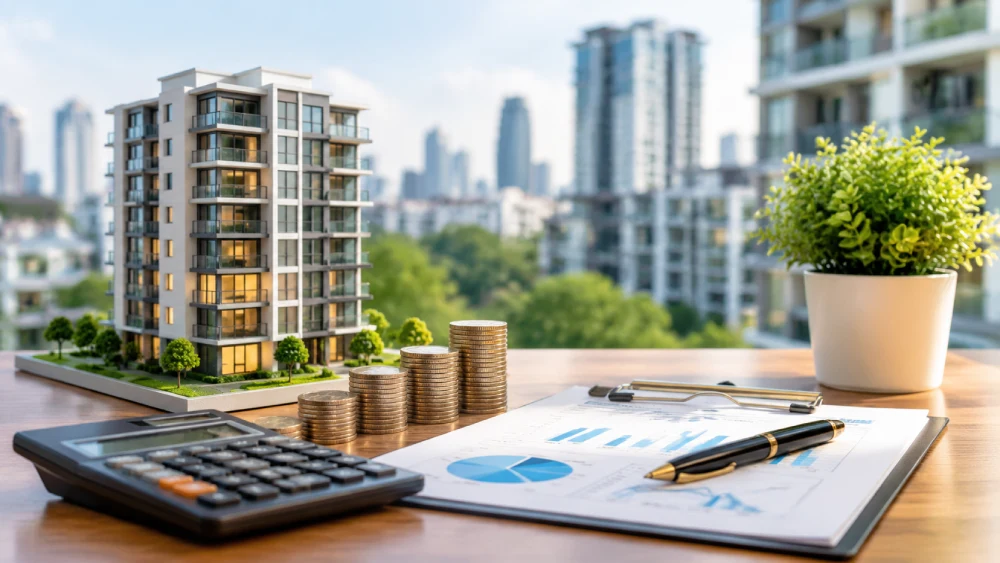
A clear reporting process is essential when evaluating whether a condominium is expensive to operate.
Owners should be able to identify rent collected, outstanding payments, common fees, management charges, utilities, repairs, housekeeping, taxes, and remaining rental income.
The owner income statement and paid-expense breakdown helps explain how individual transactions contribute to the property’s financial position.
Pearl Property Management Company can coordinate financial records and operating reports so owners can compare actual costs against their expected budget.
Simple Condo Operating Statement
| Reporting Category | What To Record |
| Rental income | Rent received during the period |
| Common fees | Payments to the condominium juristic person |
| Management | Contracted management expenses |
| Housekeeping | Cleaning, linen, supplies |
| Utilities | Electricity, water, other agreed bills |
| Repairs | Completed maintenance and replacement items |
| Other charges | Tax-related, administration, or agreed service costs |
| Net operating result | Income less relevant recorded operating expenses |
This statement should be based on actual documents rather than invented occupancy or rental yield estimates.
How To Control Condo Expenses
Owners cannot control every market price or building expense, but they can manage their private-unit costs more carefully.
The first step is to separate fixed ownership commitments from expenses created by tenants, guests, or repairs.
Next, the owner should establish a maintenance approval process, retain invoices, review utility records, plan cleaning schedules, and assess the actual services included in management fees.
The property operating expense reduction checklist provides useful context for avoiding unnecessary expenditure without ignoring essential maintenance.
Pearl Property Management Company can help owners establish a more organised expense review process.
A sensible approach includes:
- Checking common fees and reserve obligations before purchase.
- Comparing similar condominium units and buildings.
- Reviewing management contracts for duplicated services.
- Monitoring private repairs and maintenance history.
- Keeping utility billing and tenant records accurate.
- Scheduling housekeeping according to actual occupancy.
- Setting aside appropriate reserves for repairs and replacements.
- Evaluating net rental performance rather than gross rent alone.
A cheaper management arrangement is not necessarily better if important responsibilities remain uncovered.
Why Condo Is Expensive? Area Coverage
In Bang Tao, Laguna Phuket, Cherng Talay or Choeng Thale, Surin, and Kamala, condominium pricing should be assessed against location, project specifications, building facilities, buyer demand, and ongoing common-area obligations. CBRE’s first-half 2026 research identified strong condominium buyer interest in Bang Tao and Cherng Talay, but individual development values still vary. Buyers should compare similar units, shared maintenance expenses, reserve funding, and actual building condition rather than assume that every premium-location project is equally valuable.
Across Patong, Kata, Karon, Chalong, and Kathu, condo ownership costs may differ according to building age, rental use, unit condition, parking arrangements, shared facilities, and administrative requirements. Investors should examine whether the intended rental activity is permitted and calculate the expenses associated with tenant turnover, utilities, cleaning, and repairs. Properties within the same general area may have substantially different ongoing financial obligations because their facilities and management arrangements are not identical.
For Rawai, Nai Harn, Ya Nui, Friendship Beach, and Saiyuan, buyers and owners should assess the relationship between purchase price, residential use, maintenance standards, and realistic rental income. A smaller or less elaborate building may have different common-area obligations from a development with extensive shared facilities. Long-term tenants and short-stay guests also create different operating requirements, making accurate budgeting, utility records, inspection procedures, and maintenance planning important for comparing total ownership costs.
Pearl Property Management Company’s Phuket coverage also includes Mai Khao, Thalang, and surrounding areas. The company can support owners through condominium oversight, housekeeping, tenant coordination, rental administration, maintenance follow-up, and expense records. Each owner’s budget should reflect purchase price, building fees, reserve obligations, rental use, unit condition, utilities, repairs, and management responsibilities. The location matters, but long-term affordability depends on how these costs are documented and controlled.
Final Advice On Why Condos Are Expensive
Why condo is expensive? The main reasons are desirable locations, construction standards, shared facilities, ownership costs, common fees, repairs, taxes, and rental operating expenses.
A high purchase price should never be assessed without considering the property’s ongoing obligations. Buyers should inspect building financial records, evaluate rental rules, and calculate actual expenses before committing funds.
Pearl Property Management Company can support owners through development fee oversight in Phuket, helping coordinate unit expenses, maintenance records, housekeeping, tenant administration, and rental reporting. This provides a clearer view of what the condo costs to own and operate, rather than relying on purchase price or advertised rental income alone.
FAQs
Why Condo Is Expensive In Phuket?
A condo in Phuket can be expensive because of its location, land value, construction specifications, shared facilities, building maintenance requirements, ownership costs, and market demand. Premium developments may also require higher common-area contributions. Buyers should evaluate the total purchase and ownership costs rather than assume that every Phuket condo has the same pricing structure.
Why Are Condo Maintenance Fees So High?
Maintenance fees can be higher in developments with extensive shared facilities, staffing, security, lifts, pools, gardens, and mechanical equipment. Building age, maintenance contracts, and financial management also matter. Owners should examine the common-area budget, expense statements, and reserve arrangements to understand whether charges reflect actual building requirements.
Are Condos More Expensive Than Apartments?
Not always. A premium condominium may be more expensive than a basic apartment, but an older condo can cost less than a well-equipped rental apartment. Purchase and rental prices depend on different factors. Buyers should also remember that a registered condominium has an individual ownership structure that is different from a conventional rental apartment building.
Do Condo Owners Pay A Sinking Fund?
Many condominium developments have reserve or sinking-fund arrangements to help finance major common-property work. Contributions and payment timing depend on the development’s governing documents and decisions. Buyers should confirm the amount, existing fund position, and any additional assessments before purchasing.
Can Foreign Ownership Make Phuket Condos More Expensive?
Foreign buyer demand can influence prices in certain developments, particularly where eligible units are attractive to international purchasers. However, foreign ownership does not guarantee a price premium or future appreciation. Qualifying foreign ownership remains subject to legal requirements, including the general 49% total unit-area limit for a registered condominium building.
Are Condo Fees Included In Rent?
It depends on the rental agreement. Some landlords include common-area costs within the advertised rent, while others may allocate certain charges differently under the contract. Owners generally remain responsible for obligations owed to the condominium juristic person. Both parties should review the rental agreement and building fee schedule before signing.
Is A Phuket Condo Expensive To Maintain?
Maintenance costs depend on unit size, age, equipment condition, building facilities, occupancy, and management arrangements. Owners may pay common-area fees alongside private expenses such as air-conditioning repairs, cleaning, appliance replacement, utilities, and rental administration. Good records help identify which costs are recurring and which relate to specific maintenance events.
Why Does Condo Rental Management Cost Money?
Rental management involves tasks such as tenant communication, rent administration, inspections, maintenance coordination, utility records, reporting, and sometimes guest check-in or housekeeping. The expense depends on the agreed scope and charging structure. Owners should compare contracts carefully rather than judge the service only by its percentage or headline fee.
Can Condo Expenses Reduce Rental Profit?
Yes. Rental income can be reduced by common fees, management charges, utilities, housekeeping, repairs, taxes, insurance where relevant, vacancy, and tenant turnover. Investors should calculate the property’s net operating result using documented income and expenses rather than advertised rental rates alone.
How Can Pearl Property Management Company Help Control Condo Costs?
Pearl Property Management Company can help Phuket condo owners coordinate private-unit management, inspections, tenant administration, housekeeping, maintenance follow-up, utility documentation, and rental expense reporting within the agreed service scope. Clear operating records make it easier to identify recurring costs and budget for necessary work.