Are condo and apartment the same? Although both can offer similar rooms, facilities, and living arrangements, their ownership and management structures are generally different in Thailand. Registered condominium units can have individual owners, while conventional apartment buildings usually belong to one landlord or operating company. This distinction affects property purchases, shared maintenance, rental agreements, utility billing, tenant responsibilities, and building administration.
In Phuket, understanding the difference helps buyers, renters, and investors avoid unexpected obligations. Pearl Property Management Company supports owners through condominium management, tenant coordination, inspections, housekeeping, rental administration, maintenance follow-up, and clear operating records.
Quick Check: Before buying, renting, or managing a condo or apartment, review ownership arrangements, building expenses, tenant responsibilities, and maintenance requirements with Pearl Property Management Company’s coordinated property operations in Phuket.
Are Condo And Apartment The Same? Key Differences
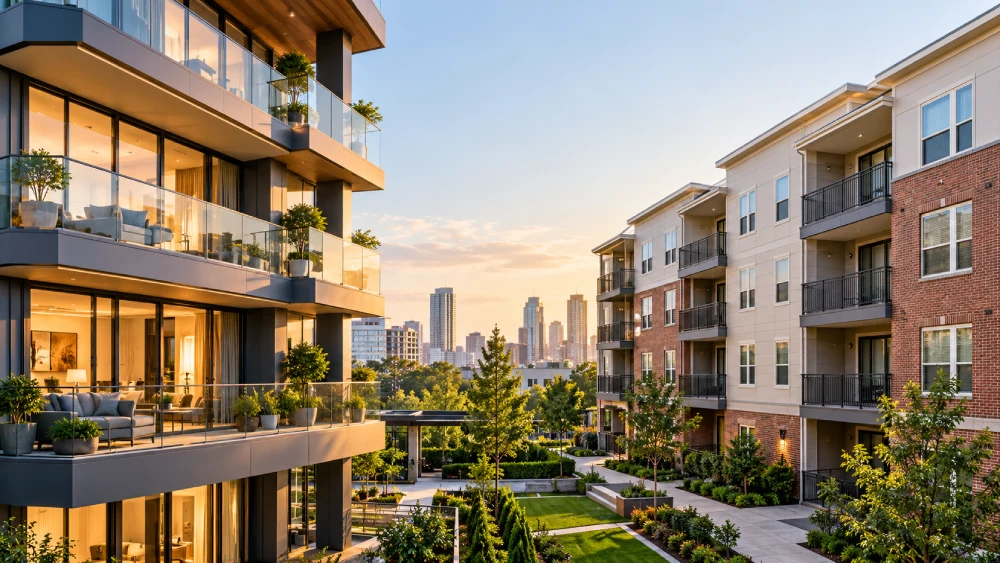
Condos and apartments are not necessarily the same, even when their appearance and facilities are almost identical.
In Thailand, a registered condominium can contain separately owned units, while its designated common property is managed collectively through a condominium juristic person.
A conventional apartment building generally operates under one owner or company that rents individual units.
The major distinction is therefore legal ownership and management responsibility, rather than the number of bedrooms, building height, or quality of facilities.
Condo vs Apartment Comparison
| Property Factor | Condominium | Apartment |
| Ownership structure | Individual units may have separate owners | Usually one building owner |
| Individual title | Registered condo unit title | Generally no separate condo title |
| Property purchase | Qualifying units can be bought individually | Individual rental apartments are generally not separately sold |
| Building administration | Condominium juristic person | Landlord or building operator |
| Rental contact | Unit owner or appointed manager | Building landlord or rental office |
| Common property | Collectively managed | Controlled by building owner |
| Maintenance expenses | Shared and private costs separated | Managed through building operations |
| House rules | Condo regulations and tenancy agreement | Landlord rules and tenancy agreement |
| Utility administration | Depends on unit accounts and building arrangements | Depends on building billing and lease |
| Foreign ownership | Possible within legal requirements | No equivalent individual apartment title |
For owners comparing apartment property management companies in Phuket, it is important to establish whether the service covers an individually owned condominium or an entire apartment building. Pearl’s condominium management focuses on private-unit operations, rental support, and coordination with the building’s juristic office.
How Condominium Ownership Works
A registered condominium allows separate ownership of qualifying units within one development.
Individual owners have rights over their units and interests in designated common property, while the condominium juristic person administers shared facilities and relevant building arrangements.
This creates two separate management responsibilities.
First, the building organisation manages common property and shared operational matters.
Second, the individual owner handles their unit, including private maintenance, tenants, cleaning, rental agreements, and unit-specific expenses.
The private-unit and common-property task boundaries explain which responsibilities normally belong to the condo owner and which require juristic-office involvement.
Pearl Property Management Company helps owners communicate with building management while coordinating work inside the privately owned unit.
How Apartment Building Ownership Works
Conventional apartment buildings generally operate through a single ownership structure.
One landlord, company, or operating entity controls the building and provides accommodation through rental agreements.
Unlike a separately titled condominium unit, a standard rental apartment usually does not give the occupant an individual ownership interest.
The landlord typically oversees leasing, tenant communication, common facilities, maintenance scheduling, building staff, and rental administration.
The single-owner apartment building administration explains how operational control works when multiple rental units belong to one property owner.
For rental operations, the apartment leasing workflow from enquiry to move-out also helps distinguish centrally managed apartments from individually owned condominium rentals.
Important: Marketing labels can be inconsistent. A unit advertised as an apartment may actually be inside a registered condominium. Buyers should verify the official property documents rather than relying on listing terminology.
Can Foreigners Buy Condos And Apartments?
Foreign ownership is one of the most significant differences between registered condominiums and conventional apartments in Phuket.
Under Thailand’s condominium ownership framework, qualifying foreigners may purchase condominium units, subject to legal requirements.
The general foreign ownership limit is 49% of the total unit area in a registered condominium building.
Buyers must also establish that the specific unit qualifies for foreign ownership and that the relevant documentation is available.
The unit-title eligibility for international buyers covers the checks connected with foreign quota, ownership documentation, and property transfer.
A conventional apartment unit does not automatically provide the same individually registered ownership rights.
Before making any purchase, buyers should confirm the building’s legal registration, unit title, foreign ownership quota, outstanding obligations, and applicable transfer requirements through an independent qualified Thai lawyer.
Pearl Property Management Company can assist with property operations after acquisition, but ownership eligibility and title verification require appropriate legal advice.
Condo Management Versus Apartment Management
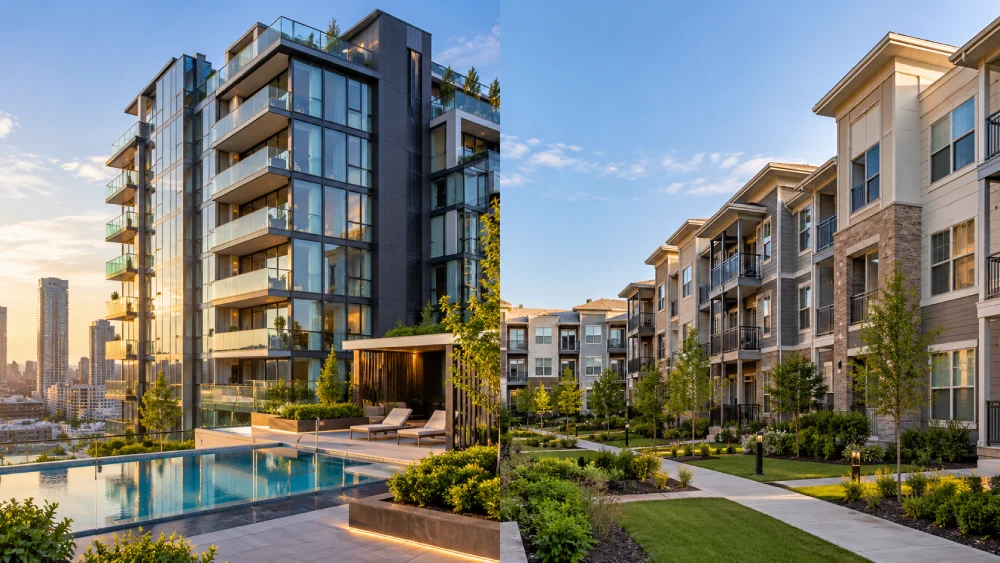
The management structure determines who receives complaints, authorises repairs, administers shared services, and communicates with occupants.
A condominium owner may appoint a private property manager to handle the unit while the juristic person continues managing the building’s common property.
Apartment tenants usually communicate with the building landlord or designated rental management office.
For condo tenants, the condo resident request routing illustrates how tenant concerns can involve an individual owner, a private manager, and the condominium administration.
The tenancy administration task categories explain responsibilities such as lease communication, rent follow-up, inspections, repairs, renewals, and departure coordination.
Pearl Property Management Company helps individual property owners organise these responsibilities without confusing private management duties with building-wide authority.
Condo Common Fees And Apartment Expenses
Condominium co-owners generally contribute to the upkeep and administration of shared property.
Common expenses may cover security, shared lighting, corridors, lifts, reception areas, common swimming pools, gardens, building equipment, and maintenance administration.
Depending on the development, owners may also have sinking-fund contributions or other assessments.
The shared-building operating charges and reserves provide additional context for understanding common-area financial obligations.
An apartment building usually funds shared operations through its landlord’s budget, with rental pricing and contract terms determining how those expenses are recovered.
Shared Expenses Compared
| Expense | Condo Arrangement | Apartment Arrangement |
| Corridor cleaning | Juristic management | Building operator |
| Shared security | Common-property arrangement | Building operator |
| Lift servicing | Shared building management | Building operator |
| Shared pool | Common-property management | Building operator |
| Private air-conditioning | Unit owner and tenant obligations under applicable terms | Landlord and tenant obligations under applicable terms |
| Garden upkeep | Juristic office for common gardens | Building operator |
| Unit cleaning | Owner, tenant, or appointed cleaner | As agreed with landlord |
| Rent administration | Unit owner or appointed manager | Building landlord |
Owners must also distinguish common-area contributions from private management charges.
The management agreement billing components are relevant when comparing the work of an appointed condo manager with the shared-building expenses already payable through the juristic person.
Condo And Apartment Utility Responsibilities
Utility arrangements are another important point of comparison.
In a condominium, electricity and water may be handled through individual unit accounts, owner payments, tenant reimbursements, or building-related arrangements.
An apartment operator may manage utility billing centrally, depending on the property and applicable rules.
Neither arrangement automatically means that utilities are included in the advertised rent.
Owners and tenants should confirm the billing method before signing an agreement.
A reliable record normally includes starting meter readings, utility invoices, billing periods, payment confirmations, adjustments, and final readings at departure.
The electricity meter and bill matching explains how accurate records help prevent incorrect charges and rental disputes.
Pearl Property Management Company can support owners with utility documentation and payment coordination within an agreed management arrangement.
Property Taxes And Financial Obligations
Condominium ownership may create obligations that do not apply in the same way to someone who only rents an apartment.
Depending on the circumstances, an owner may need to consider land and building tax, rental income taxation, transfer expenses, common fees, and management costs.
Apartment building owners also have financial obligations, but these relate to their property ownership and rental business structure.
The property-use tax classification for condo units explains why tax treatment should be evaluated according to ownership and actual property use.
Pearl Property Management Company can help maintain operating records and expense summaries. Formal tax liability should be confirmed with a qualified Thai tax adviser.
Rental House Rules And Tenant Behaviour
Condos and apartments can both impose rules covering residents and visitors.
Common restrictions involve parking, pets, noise, smoking, rubbish disposal, contractor access, and use of recreational facilities.
However, condominium tenants may have obligations under two separate documents: the tenancy agreement and the condominium’s governing rules.
Apartment tenants usually follow their landlord’s tenancy agreement and building regulations.
The condominium resident rule acknowledgement explains why rules should be communicated clearly, documented, and applied consistently.
For Pearl Property Management Company, tenant communication is part of reducing disputes between unit owners, residents, security staff, and building administrators.
Move-In And Move-Out Inspections
A condo rental often requires coordination with both the private landlord and the building office.
Tenants may need access-card registration, parking approval, key collection, property condition checks, and utility readings before moving in.
Apartment buildings may handle similar procedures through a central rental office.
Regardless of property type, the condition of the rental unit should be documented before occupancy.
The handover photographs and inventory comparison provides a practical approach to recording existing damage, furniture, appliances, keys, and meter readings.
Pearl Property Management Company can coordinate private-unit inspections and prepare records for the owner, helping distinguish existing wear from new damage at the end of a tenancy.
Access Cards, Visitors, And Parking
Access arrangements are not always identical between condominium and apartment buildings.
Some condominiums require registered access cards, parking stickers, visitor registration, security approval, or documentation for contractors.
Apartment operators may also use card access and visitor records, but the building landlord generally controls the procedures.
Before renting, occupants should confirm who issues cards, whether replacements are allowed, who approves visitors, and how parking is assigned.
The shared visitor parking access requirements provide further context for rental properties with controlled parking facilities.
For comparison, an independently managed villa may require its own villa guest access process, with different key handover, gate access, arrival timing, and guest support arrangements.
Pearl Property Management Company can coordinate access procedures within the rules established by the relevant property owner or building management.
Are Condos More Expensive Than Apartments?
A condominium is not automatically more expensive than an apartment.
Rental pricing depends on location, unit condition, building facilities, furnishings, lease duration, management quality, and other property-specific factors.
For buyers, condominium prices also depend on title status, size, development quality, market demand, and ownership eligibility.
The factors affecting Phuket condo valuations help buyers assess property differences beyond the advertised asking amount.
An older condominium may be cheaper to rent than a newly furnished apartment, while a premium condominium with extensive facilities may have higher total ownership or rental expenses.
The correct comparison should account for total costs rather than assuming one property type is always cheaper.
Airbnb And Short-Term Rental Differences
Condos and apartments can both attract short-term rental interest, but neither automatically qualifies for short-stay accommodation.
Condominium owners must consider building regulations, guest registration procedures, and applicable rental or accommodation requirements.
Apartment building operators also need to establish whether their intended rental activity is permitted under applicable law.
Pearl Property Management Company supports booking-channel administration for suitable properties, including calendar coordination, guest messages, rental records, and arrival preparation.
Before listing any unit, owners should establish the property’s permitted rental use. The fact that a development has a swimming pool or reception desk does not, by itself, establish permission for hotel-style daily rentals.
Condo Maintenance Compared With Villas And Houses
Maintenance responsibilities change when comparing shared residential buildings with standalone properties.
Condominium owners generally rely on the juristic person to administer designated common-property maintenance.
Standalone villas and houses may require the owner to arrange a much wider range of property care.
For villas, Pearl Property Management Company provides villa preparation and operating controls that can include inspections, maintenance coordination, guest preparation, and contractor oversight.
Residential houses have their own requirements. The company’s house management basics in Phuket cover practical owner-side arrangements for ongoing property supervision.
Private Pools And Shared Facilities
A condominium’s communal swimming pool is generally maintained through the designated shared-facility management arrangement.
A standalone villa pool requires its own maintenance programme.
The pool operating responsibilities help owners understand the work involved in checking water condition, filtration, cleaning schedules, and pool equipment.
Garden maintenance follows a similar distinction.
Shared condominium landscaping belongs to the building’s common-property arrangements, while a private villa or house may need independently scheduled grounds maintenance duties.
This comparison helps explain why the maintenance obligations of a condominium owner can differ from those of a standalone property owner.
Housekeeping For Condos And Apartments
Housekeeping responsibilities depend on the rental agreement and the property’s management arrangements.
The condominium juristic person may organise cleaning of common property, but that does not normally include cleaning every privately owned unit.
Apartment landlords may include cleaning within their rental offering or charge separately for it.
Tenants should confirm whether cleaning includes bedrooms, kitchens, bathrooms, linen, towels, and final departure preparation.
Pearl Property Management Company can provide housekeeping assistance in Phuket for managed residential units requiring cleaning coordination, inspections, and guest or tenant preparation.
Clear housekeeping arrangements help prevent disagreements about cleaning charges and the condition of a property at move-out.
Choosing The Right Property Type
The correct choice depends on whether someone intends to buy, rent, or invest.
Condominiums may be appropriate for individuals seeking separately owned residential units within a shared-building structure.
Apartments may suit tenants looking for rental accommodation administered through a single building landlord.
Investors should consider permitted use, maintenance responsibilities, rental demand, ownership documents, expenses, and the amount of operational involvement required.
Condo Or Apartment Decision Checklist
| Decision | What To Confirm |
| Property ownership | Registered condominium or single-owner building |
| Individual title | Availability and legal status |
| Foreign purchase | Eligibility, foreign quota, required documents |
| Rental agreement | Landlord, tenant terms, deposit |
| Common expenses | Fees, facilities, additional assessments |
| Repairs | Private-unit and shared-property boundaries |
| Utilities | Billing method and meter records |
| House rules | Parking, visitors, pets, noise |
| Access arrangements | Keys, cards, visitor procedures |
| Maintenance support | Responsible owner, manager, or operator |
| Rental permissions | Building restrictions and applicable law |
Pearl Property Management Company helps owners choose practical operating arrangements that match the property’s ownership and rental responsibilities.
Are Condo And Apartment The Same? Area Coverage
Across Bang Tao, Laguna Phuket, Cherng Talay or Choeng Thale, Surin, and Kamala, buyers and renters should verify whether a residential development is legally registered as a condominium or operates as a conventional apartment building. Building facilities may look similar, but title documentation, common fees, juristic-office responsibilities, and rental rules can differ. Ownership structure should be established before comparing rental income potential or purchase arrangements.
In Patong, Kata, Karon, Chalong, and Kathu, tenants and owners should pay close attention to lease conditions, building access, parking, visitor registration, and utility billing. A condominium tenant may communicate with both a private landlord and the juristic office, while an apartment tenant may deal primarily with one building operator. These differences influence how repairs, complaints, and administrative requests are handled.
Residential properties throughout Rawai, Nai Harn, Ya Nui, Friendship Beach, and Saiyuan should be compared according to ownership documents, property condition, maintenance responsibilities, and intended rental duration. Long-term tenants may prioritise stable billing and responsive maintenance, while prospective buyers should verify whether individual unit ownership is legally available. Clear inspection records and written responsibilities are important regardless of the building’s appearance or marketing description.
Pearl Property Management Company’s stated coverage also includes Mai Khao, Thalang, and surrounding Phuket areas. Its residential property support can coordinate private-unit inspections, tenant communication, housekeeping, maintenance follow-up, rental administration, and communication with building representatives. The appropriate approach depends on legal ownership, building rules, tenancy arrangements, shared-property obligations, and the property’s actual maintenance needs, rather than assuming every condo and apartment requires identical management.
Final Advice On Condo And Apartment Differences
Are condo and apartment the same? No, not in the usual ownership and management sense in Phuket. A registered condominium allows separately owned units with collectively managed common property, while a conventional apartment building generally operates under one landlord.
Before renting or buying, confirm title documents, rental terms, common expenses, utilities, building regulations, and maintenance responsibilities.
Pearl Property Management Company can help owners organise these obligations through coordinated property operations in Phuket, connecting tenant administration, inspections, housekeeping, maintenance coordination, and owner reporting.
Understanding the structure first helps owners and residents avoid confusion about who is responsible for each part of the property.
FAQs
Are Condo And Apartment The Same In Phuket?
No. In Phuket, a registered condominium generally contains separately owned units with collectively managed common property. A conventional apartment building generally belongs to one landlord or operating company that rents units to tenants. Although the accommodation can look similar, ownership and management responsibilities are different.
Can Foreigners Buy A Condominium In Phuket?
Yes. Qualifying foreigners can purchase condominium units under Thailand’s applicable legal requirements. The general foreign ownership ceiling is 49% of the total unit area in a registered condominium building. Buyers should verify foreign quota availability, title documents, funding evidence, and relevant transfer requirements before proceeding.
Is An Apartment Always Cheaper Than A Condo?
No. Rent depends on location, size, furnishing, building quality, facilities, lease duration, and included services. A newly furnished apartment may cost more than an older condo, while a premium condominium may have higher rent or shared facility expenses.
Who Pays Condominium Common Area Fees?
Condominium owners generally have obligations to contribute toward designated common-property expenses. A rental agreement may allocate certain charges between owner and tenant, but the owner’s obligations to the condominium must still be considered. The building’s governing documents and the lease should be checked together.
Who Repairs Problems Inside A Condo?
Repairs inside an individually owned condo are generally handled according to the owner and tenant’s legal and contractual responsibilities. Problems involving designated common property normally require the condominium juristic person’s involvement. The exact responsibility depends on the location and nature of the fault.
Can Apartments And Condos Both Be Used For Airbnb?
Both can attract short-stay rental interest, but neither is automatically authorised for daily rentals. Building regulations, accommodation laws, guest registration requirements, and other applicable restrictions must be reviewed before accepting short-term bookings.
Do Condo Tenants Have To Follow Building Rules?
Yes. Condo tenants must follow applicable condominium regulations as well as their rental agreement. Rules may cover visitors, access cards, pets, parking, noise, common facilities, and contractor access. Owners and managers should communicate these requirements before occupancy.
Is Condominium Management Different From Apartment Management?
Yes. Condominium management may involve separate private-unit and juristic-person responsibilities. Apartment management generally operates through a single building landlord. Both require tenant communication, maintenance, inspections, and financial administration, but responsibility for those tasks can differ.
Can Pearl Property Management Company Manage Condo Rentals?
Pearl Property Management Company provides condominium and residential property support in Phuket, including tenant coordination, inspections, housekeeping, maintenance follow-up, rental administration, and owner reporting within the agreed service scope. The company can also coordinate communication with the condominium juristic office when building-related action is required.