How does condo visitor parking work in Phuket? In most buildings, visitor parking is controlled by the condominium juristic office, security team, access-card system, and house rules. Owners, tenants, Airbnb guests, cleaners, contractors, delivery drivers, and family visitors may all follow different access steps.
For rental owners, parking is not only a convenience issue. It affects guest arrival, building compliance, deposits, access cards, tenant handovers, and owner costs.
Pearl Property Management Company helps owners manage local management, booking coordination, guest access, condo rules, cleaning schedules, shared facilities, and rental operations across Phuket.
Quick Check: Before listing a condo for guests or tenants, confirm parking rules, access cards, guest registration, building procedures, and arrival support with Pearl Property Management Company’s local management and booking coordination.
How Does Condo Visitor Parking Work in Phuket? Start With Building Rules
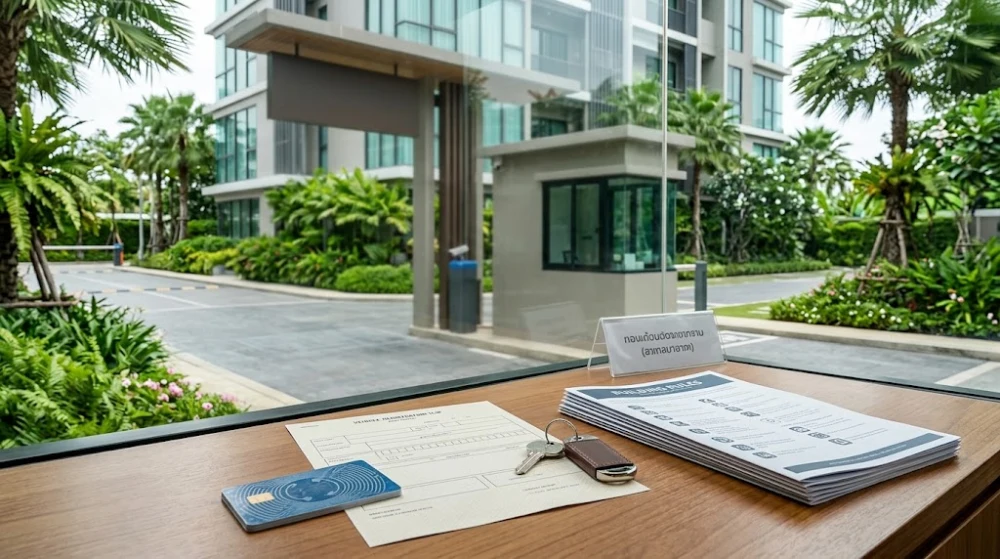
Condo visitor parking in Phuket usually starts with the condominium juristic person and the building’s house rules. In Thailand, a condominium juristic person manages common property, collects common expenses, and represents co-owners, so parking areas and visitor access are usually controlled through the building’s regulations and security procedures.
That means there is no single visitor parking rule for every Phuket condo. One building may allow short visitor parking after security registration. Another may require advance approval, a temporary parking pass, a stamped ticket, a registered vehicle plate, or a unit-owner confirmation.
| Parking Control | What It Means | What Owners Should Check |
| Juristic office rules | The building sets the parking process | House rules, notices, access policy |
| Security registration | Visitors may need to sign in | ID, unit number, arrival time |
| Access cards | Entry may need a card, sticker, QR code, or remote | Card limits and replacement cost |
| Overnight parking | Some buildings require advance approval | Time limits and guest permission |
| Tenant registration | Long-stay tenants may need formal vehicle records | Lease copy, ID, vehicle details |
| Short-stay guests | Airbnb guests may face extra restrictions | Building rental policy |
| Service access | Cleaners and contractors may need approval | Entry times and parking area |
Pearl Property Management Company supports owners through condominium guest-access controls so visitor parking, access cards, guest rules, and building communication are handled before problems affect the stay.
Visitor Parking Is Usually Common-Area Controlled
In many Thai condominiums, parking is treated as part of the building’s common property or common-use facilities rather than a privately owned parking bay. Legal guidance on Thai condominium parking notes that parking areas are usually registered as common property, similar to lifts, pools, and corridors, unless project documents clearly say otherwise.
This matters because a unit owner may have a right to use parking under the building rules, but that does not always mean unlimited visitor parking. Some buildings use fixed spaces, some use shared parking, some use stickers, and some separate resident parking from visitor bays.
Owners should never promise guests “free parking included” unless the juristic office confirms the exact rule. The better approach is to explain whether parking is available, how guests register, and whether overnight parking needs approval.
Owner, Tenant, and Visitor Parking Are Different
Owner parking, tenant parking, and visitor parking are usually handled differently. An owner may have a registered parking card or sticker. A long-stay tenant may need to submit documents to the juristic office. A visitor may only be allowed temporary parking after registering with security.
For rental units, this difference is important. A tenant who stays for six months may need formal vehicle registration. A guest staying two nights may need a visitor pass. A cleaner may need service access only for a short time.
Owners can use tenant access rule framework and move-in vehicle record steps to understand how tenant parking and handover records should be organized.
Parking for Airbnb and Short-Stay Guests
Short-stay guests can create parking confusion if the condo rules are not explained before arrival. A guest may assume parking is included because the unit has a building car park. The building may treat that same guest as a visitor and require registration, owner approval, or temporary access.
For Airbnb-style rentals, parking instructions should be sent before check-in. The guest should know where to enter, whether a vehicle plate is needed, whether security requires ID, where visitor spaces are located, and what happens if parking is full.
Pearl Property Management Company supports booking and guest coordination system for short-stay rentals where parking, check-in, building rules, and guest communication must work together. Related planning includes platform guest access notes and short-stay rule setup.
Check-In Instructions Should Include Parking
Parking is part of the check-in experience. A guest arriving late after a flight may need directions to the correct entrance, security desk, parking level, lift lobby, key collection point, and unit. If these steps are unclear, the guest may park incorrectly or delay other residents.
A good arrival message should include the building name, gate entrance, parking process, guest registration steps, security contact, key access method, Wi-Fi details, and house rules. This is especially important for condos in busy tourist areas, hillside roads, or mixed-use buildings.
Pearl Property Management Company supports 24 hour check-in service for condo access-rule compliance in Phuket where guest arrival timing, parking access, and building procedures need to be coordinated. Useful supporting topics include flight-linked arrival preparation and arrival instruction language support.
Access Cards, Stickers, and Deposits
Parking often depends on physical or digital access items. These may include key cards, parking cards, car stickers, lift cards, remotes, QR codes, or visitor slips. If a guest loses an access item, the owner may face replacement charges or building complaints.
This is why deposit records matter. Owners should record which access items were issued, when they were returned, and whether any parking-related item was damaged or lost. For tenants, the lease should explain responsibility for access cards and parking permissions. For short-stay guests, check-in instructions should explain return steps clearly.
A practical process is to photograph access cards, record card numbers, confirm guest receipt, and check everything again at checkout. Supporting guidance includes deposit item verification process and checkout access return steps.
House Rules Control Parking Behavior
Condo house rules may cover visitor parking hours, overnight permission, motorcycle spaces, delivery vehicles, contractor access, EV charging, car washing, parking stickers, restricted bays, and penalties. Thai condo guidance on common-area rules notes that visitor access, key-card systems, parking allocation, and common-area use are typically handled under condominium rules.
Owners renting out a unit should make these rules easy for guests to follow. Do not expect guests to read a long PDF after arrival. Give a short parking summary, plus any required security forms, before check-in.
Owners can review visitor-rule compliance map and tenant management scope before handing keys or parking cards to guests.
Visitor Parking and Common-Area Costs
Parking areas are usually connected to common-area maintenance. Lighting, barriers, security, cameras, cleaning, signs, repairs, and parking control may all be funded through building-level expenses. Thai condominium law guidance explains that the condominium juristic person manages common property and common expenses for the building.
This does not mean every visitor can park without limits. A building can still regulate visitor access, limit overnight parking, charge for lost access items, or fine misuse depending on its rules.
Owners should understand whether parking-related costs are covered by general common fees or charged separately when a guest breaks the rule. Supporting reading includes shared-area fee records.
Service Vehicles, Cleaners, and Contractors
Visitor parking also affects service teams. Cleaners, repair technicians, delivery drivers, inspectors, and contractors may need access to the car park or loading area. If the building does not allow service parking at certain times, cleaning or maintenance can be delayed.
For rental owners, this affects guest readiness. If a cleaner cannot park, a turnover may run late. If a contractor cannot access the building, a repair may be postponed. If delivery drivers use the wrong parking area, the juristic office may complain.
Pearl Property Management Company supports common-area cleaning standards by coordinating cleaning access, turnover timing, guest readiness, and building procedures where required.
Shared Facilities and Parking Pressure
Condos with pools, gardens, gyms, lobbies, restaurants, or mixed-use facilities may experience more visitor traffic. Parking pressure can increase during holidays, weekends, high season, or when several rental units have guest turnover on the same day.
Shared facilities require clearer rules. Guests need to know whether visitor parking gives them access only to the unit or also to shared spaces. Owners should also confirm whether guests may use shared pools, gyms, gardens, or lounges under the building rules.
Pearl Property Management Company can help owners track service needs for shared pool maintenance controls and shared landscaping maintenance where common facilities affect rental expectations.
Emergency Access and Blocked Parking
Poor parking control can create real risk. Cars parked in fire lanes, blocked ramps, double-parked vehicles, or unregistered cars can affect residents, guests, service providers, and emergency responders.
A well-managed condo should have a process for contacting drivers, recording visitor vehicles, keeping emergency access clear, and documenting complaints. Rental owners should make sure guests know where not to park.
If a problem happens, the manager should contact the guest quickly, collect evidence, communicate with security, and report the outcome to the owner. Useful supporting topics include emergency access response steps and rental asset protection process.
Pet Guests, Deliveries, and Parking Drop-Off
Parking can become more complicated when guests arrive with pets, luggage, groceries, strollers, sports equipment, or delivery orders. A pet-friendly unit may still need separate building approval for pet movement, lift use, lobby access, and parking drop-off.
Delivery vehicles may also have different rules from visitors. Some condos allow short loading and unloading but not extended parking. Others require delivery drivers to stop outside the main entrance.
Owners should explain drop-off points, service lifts, pet routes, delivery rules, and parking limits before arrival. Supporting reading includes pet visitor access planning and guest complaint handling steps.
Availability Controls for Rental Owners
Parking availability should be managed like any other rental detail. If a unit has one parking card, the owner needs a process for who holds it, when it is returned, and how it is replaced if lost. If parking is shared, the listing should not promise guaranteed parking.
For owners who manage several property types, parking records are part of occupancy and access control. Villas, houses, and condos all need different parking and guest arrival instructions.
Pearl Property Management Company supports house rental availability controls in Phuket and villa occupancy records so guest access, occupancy, and property-use records remain organized.
Visitor Parking Checklist for Owners
Use this checklist before renting out a condo or accepting visitors:
| Parking Check | What to Confirm |
| Building rule | Current juristic office parking policy |
| Visitor registration | ID, unit number, plate number, or owner approval |
| Parking area | Visitor bay, resident bay, motorcycle bay, loading area |
| Overnight rule | Whether visitors can park overnight |
| Access item | Card, sticker, remote, QR code, or visitor slip |
| Deposit process | Lost card, damaged item, or penalty responsibility |
| Tenant vehicle | Registration form and required documents |
| Short-stay guest | Airbnb or holiday-rental parking restrictions |
| Service access | Cleaner, contractor, delivery, and inspection parking |
| Emergency access | Fire lane, ramp, entrance, and blocked-car policy |
Owners can also review inspection record details before issuing access items or documenting handovers.
How Does Condo Visitor Parking Work in Phuket? Area Coverage

Visitor parking pressure changes by Phuket area. Bang Tao, Laguna Phuket, Surin, Kamala, Cherng Talay or Choeng Thale, and Mai Khao often include resort-style residences, managed condo buildings, and gated access systems. Owners should check whether guest vehicles are handled by the juristic office, security gate, reception desk, or private management process.
Patong, Kata, Karon, Chalong, Kathu, and Thalang can create different parking needs because visitor volume, short stays, road conditions, restaurants, shopping, nightlife, and daily movement vary by area. Patong and beach-focused locations may need clearer arrival instructions, while Chalong, Kathu, and Thalang may involve more long-stay tenants, service vehicles, and regular household access.
Rawai, Nai Harn, Ya Nui, Friendship Beach, Saiyuan, and surrounding Phuket areas often suit residential-style condo stays, longer rentals, and guests who may use cars or motorbikes more often. Owners should compare parking allocation, motorcycle rules, tenant registration, delivery access, service parking, visitor limits, and guest check-in procedures before listing the unit.
Final Advice on Condo Visitor Parking
The answer to how does condo visitor parking work in Phuket depends on the building’s juristic rules, security process, parking capacity, access-card system, guest registration, and enforcement policy. Owners should not assume that visitor parking is free, unlimited, or available overnight.
Before renting or hosting guests, confirm the house rules, visitor parking process, card policy, penalties, tenant registration steps, service access, and short-stay guest restrictions. Pearl Property Management Company’s local management and booking coordination helps condo owners connect parking access with guest communication, compliance records, cleaning schedules, deposits, inspections, and rental operations.
FAQs
How Does Condo Visitor Parking Work in Phuket?
Condo visitor parking in Phuket usually works through the building’s juristic office, house rules, security desk, and access-card system. Guests may need to register with security, provide a unit number, give vehicle details, or receive a temporary pass. Overnight parking and short-stay guest parking depend on each building’s rules.
Is visitor parking always included with a Phuket condo rental?
No, visitor parking is not always included. Some condos allow visitor parking for a limited time, while others require approval, guest registration, parking cards, or overnight permission. Owners should confirm the exact rule with the juristic office before listing parking as an amenity.
Can Airbnb guests park in Phuket condos?
Airbnb guests can park only if the building allows it and the owner follows the access process. Some condos restrict short-stay guest parking or require vehicle registration. Parking instructions should be sent before check-in so guests do not arrive without approval.
Who controls visitor parking in a condo?
Visitor parking is usually controlled by the condominium juristic person, building management, committee rules, and security team. Parking is often part of common property or controlled shared facilities, so use depends on the condominium’s registered rules and current policies.
What should owners tell guests about parking?
Owners should tell guests where to enter, where to park, whether registration is required, whether ID or a vehicle plate is needed, whether overnight parking is allowed, and what penalties apply for misuse. Clear instructions reduce complaints, delays, and access problems.
Can long-stay tenants register vehicles?
Long-stay tenants can often register vehicles if the building allows tenant parking. The juristic office may require a lease copy, tenant ID, vehicle details, and an application for a card or sticker. The process depends on the building’s rules.
What happens if a guest loses a parking card?
If a guest loses a parking card, sticker, remote, or access item, the owner may be charged a replacement fee by the building. The responsibility should be explained in the guest instructions, lease terms, or deposit process before access items are handed over.
Why does visitor parking matter for rental owners?
Visitor parking matters because it affects check-in, guest experience, building compliance, deposits, access cards, complaints, and operating records. Poor parking instructions can lead to fines, blocked access, bad reviews, or conflict with the juristic office.