Phuket villa ownership can look effortless from overseas, but distance creates a dangerous visibility gap. Owners cannot see rain damage, staff access, guest misuse, legal notices, or poor maintenance in real time. The expert solution is not fear; it is structured local oversight with inspection, reporting, access control, and fast response.
Quick Tip: Remote villa risks become easier to control with regular inspections, local maintenance, and trusted oversight. Explore our villa owners face remotely service for stronger Phuket villa protection.
What Risks Do Phuket Villa Owners Face Remotely?
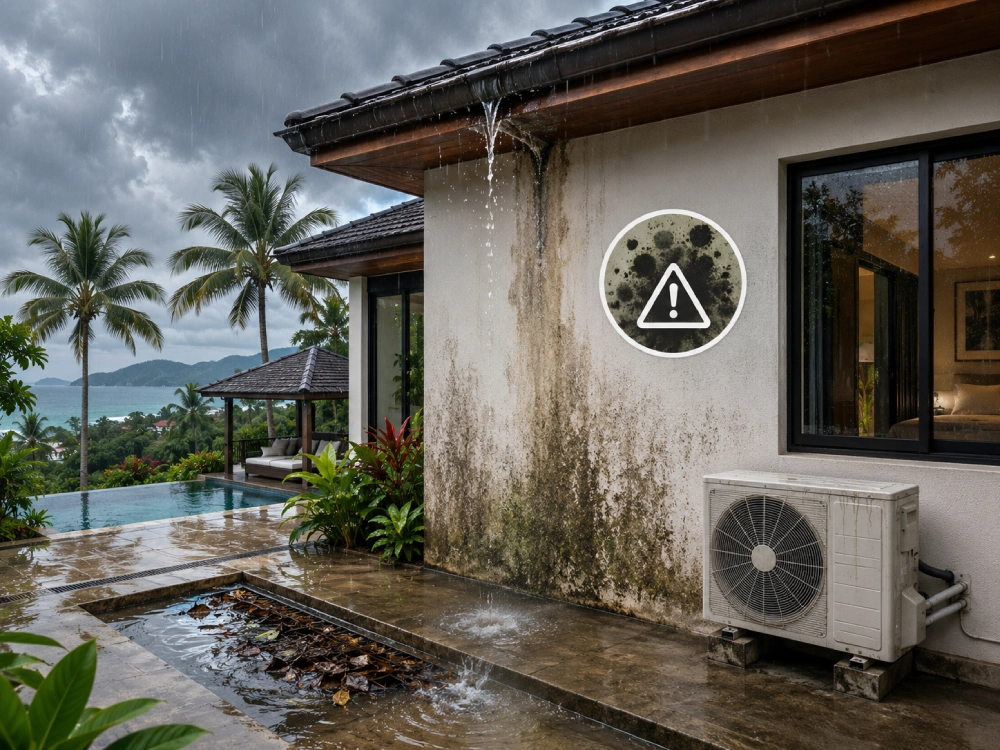
Remote Phuket villa ownership becomes risky when small issues wait too long. The three biggest risk groups are Tropical Climate Damage & Delayed Maintenance, Legal and Regulatory Violations, and Untrustworthy Management & Tenant Abuse. These risks connect because one weak system can damage the whole villa operation.
Owners often think the main issue is being far away. The deeper problem is not knowing what is happening until the repair is expensive. A roof leak, careless cleaner, short-stay rule, or guest complaint can all grow worse without local control.
The safest approach is to treat the villa like a live asset. It needs inspections, service logs, guest checks, legal awareness, and clear reporting. Strong property management services help owners turn uncertainty into an organized care system.
| Remote Villa Risk | What Can Go Wrong | Control Method |
| Tropical Climate Damage & Delayed Maintenance | Leaks, mould, AC failure, blocked drains | Scheduled inspection and storm checks |
| Legal and Regulatory Violations | Short-stay issues, guest reporting gaps, estate rule breaches | Local admin tracking and legal review |
| Untrustworthy Management & Tenant Abuse | Missing items, poor staff work, guest damage | Access logs, inventory checks, photo reports |
| Weak Repair Oversight | Inflated quotes, repeat faults, poor materials | Quote comparison and repair proof |
| Poor Financial Reporting | Hidden costs, unclear deductions, weak records | Monthly statements and receipt tracking |
Rain and Humidity Can Ruin Villas Fast
Phuket weather is not gentle on villas. Heavy rain, coastal moisture, and strong humidity can expose weak roofing, poor drainage, and hidden wall dampness quickly. Remote owners often discover the damage after it has already spread.
Rainwater can enter through roof tiles, balcony doors, windows, gutters, and terrace drains. Blocked drains can flood outdoor areas and push water toward interior floors. Damp walls can then create mould, stains, swelling, and bad odour.
This is why Tropical Climate Damage & Delayed Maintenance must be treated as a core risk. A villa needs checks before rainy periods and after severe weather. Waiting for a guest complaint or neighbour message is too late.
A simple storm-check routine can protect the property. It should include roof edges, gutters, outdoor drains, pool overflow, windows, ceiling stains, and exterior walls. This turns tropical risk into a visible maintenance checklist.
Empty Villas Hide Damage Until It Spreads
A closed villa can look safe from outside while problems build indoors. Poor airflow, warm rooms, and trapped moisture can damage wardrobes, timber, mattresses, curtains, and stored belongings. The owner may not know until arrival day.
Air conditioning systems also create hidden risk. Clogged AC drain lines can drip into walls or ceilings for hours. Low cooling, blocked filters, or frozen coils can make the villa uncomfortable and expensive to repair.
Remote owners need a planned ventilation and AC routine. Rooms should be opened, checked, cooled, and inspected on a schedule. Photos should confirm room condition, ceilings, corners, closets, and AC areas.
This is where a Phuket remote care structure becomes useful. It creates predictable checks instead of random visits. Owners get proof that the villa is not just locked, but actively protected.
Pool and Garden Neglect Weakens Value
A Phuket villa’s pool and garden are not decorative extras. They are part of the property value, guest impression, and rental appeal. If they decline, the whole villa feels poorly managed.
Pool chemistry can change fast in heat and rain. Pump failure, clogged filters, dirty tiles, algae growth, and falling leaves can make the pool unusable. Guests notice this immediately, and owners may lose bookings or face refund pressure.
Gardens also need constant attention. Tropical growth can block paths, damage irrigation, attract insects, and hide drainage problems. Overgrown landscaping makes even a premium villa look neglected.
A strong maintenance schedule should include pool testing, filter checks, garden trimming, pest checks, lighting, irrigation, and outdoor cleaning. Owners should receive photos, service dates, and problem notes. This gives real control over areas that cannot be judged from abroad.
Access Control Fails Without Local Proof
Access control is one of the most serious remote villa risks. Keys, cleaners, contractors, guests, pool staff, gardeners, and managers may all need entry. Without records, missing items or damage become hard to prove.
Real user interactions around Phuket-area accommodation show strong concern about staff access, CCTV blind spots, missing cash, room entry records, and weak responsibility after a loss. For villa owners, the lesson is practical. Every person entering the property should be known, approved, and traceable.
Access control should include key logs, smart lock records, CCTV checks, staff schedules, and contractor supervision. Valuables and owner storage areas should be locked separately. Cleaner and contractor visits should be verified with timestamped photos.
This is also where property handling method in Phuket matters. The method should show who enters, why they enter, and what was checked afterward. Remote trust must be backed by proof.
Tenant and Guest Abuse Can Drain Owners
Short-term guests and long-term tenants can create different risks. Guests may bring extra visitors, host parties, break furniture, smoke indoors, misuse the pool, or ignore house rules. Tenants may damage items slowly or remove supplies before leaving.
Remote owners often discover the problem after checkout. Missing towels, broken chairs, stained sofas, damaged appliances, and lost access cards can become repeated losses. Without inventory records, claims are difficult.
A villa should have a clear inventory system before rental use. Photos, item lists, deposit rules, check-in notes, and post-stay inspections protect the owner. Damage must be recorded quickly before the next guest arrives.
For villas used as rentals, airbnb management phuket support can reduce guest-related risk. It helps organize house rules, arrival instructions, turnover checks, and guest issue handling. The goal is not only bookings, but controlled occupancy.
Contractor Quotes Can Become a Blind Risk
Repairs are difficult when the owner cannot see the real problem. A small plumbing issue can be described as a major repair. A simple part replacement can become a large invoice.
Some owners approve work because they feel they have no choice. The risk is inflated pricing, low-quality materials, unfinished work, and repeated repair calls. Without proof, the owner cannot confirm what was done.
A better system uses inspection photos, multiple quotes for larger jobs, scope notes, and completion images. The manager should verify the repair before payment. Warranty records and supplier invoices should also be stored.
Owners can also use repair coordination for Phuket rentals when rental readiness is involved. Repairs affect guest comfort, reviews, and future income. Poor repair control is both a maintenance risk and a revenue risk.
Short-Stay Rental Rules Can Be Missed
Remote owners often want rental income when they are not using the villa. The risk begins when the villa is listed without checking short-stay rules, estate restrictions, guest reporting, and local requirements. This can create legal and operational problems.
Legal and Regulatory Violations are not always obvious. A stay length, licensing position, local estate rule, or guest registration step can change the risk level. Owners should not rely only on platform listing approval.
A manager can help check the practical side before rental use. This includes estate rules, check-in process, guest documents, parking rules, waste rules, noise limits, and neighbour concerns. It also helps avoid complaints that damage the owner’s reputation.
Rental success also depends on calendar control and demand patterns. Topics like holiday rental seasonality in Phuket help owners understand why occupancy and rates change. Legal safety and pricing strategy should work together.
TM30 and Documents Need Local Handling
Foreign guest stays can create document-handling duties. Remote owners may not be available to collect passport details, check arrival dates, or keep stay records. This creates an avoidable compliance gap.
TM30-related reporting is often confusing for owners who live overseas. The problem is not only knowing the rule. The real problem is having someone local to collect details and complete the process correctly.
A local support system should track guest names, passports, stay dates, booking records, and reporting status. Records should be stored securely and shared only when needed. This protects the owner from rushed admin work.
Document handling also supports dispute control. If a guest damages the villa or overstays, accurate records help the owner respond. Weak paperwork leaves the owner exposed.
Poor Reporting Hides Real Villa Losses
Remote owners need clear numbers. Without structured reporting, utility bills, staff payments, repairs, cleaning costs, pool service, garden work, and rental income can become confusing. This makes it hard to know whether the villa is healthy.
Poor reporting creates hidden losses. A manager may send vague totals without receipts. A contractor may repeat charges, or rental deductions may not match real activity.
Owners should request monthly reports with receipts, photos, income summaries, expense categories, and repair notes. This should include utility tracking and staff payment records. Every larger cost should have a clear reason.
This is where property management services become important for financial clarity. The owner should see both the physical condition and financial movement of the villa. Good reporting protects decision-making.
Emergency Delays Turn Small Faults Major
Emergencies are where remote ownership becomes most expensive. A burst pipe, power failure, storm leak, guest lockout, broken gate, AC failure, or security alert needs immediate local action. A different time zone can make response too slow.
A small leak can flood flooring overnight. A smart lock failure can leave guests outside. A power issue can shut down CCTV, routers, refrigerators, and pumps.
The villa needs a local emergency contact with keys and vendor access. This person must know which contractors to call and what repairs need urgent approval. Speed matters most when damage is active.
Owners should define emergency approval limits in advance. This allows fast action for urgent items while keeping major spending controlled. The aim is quick response with clear reporting.
Remote Villas Become High-Risk Here
Some Phuket villas carry higher remote risk than others. Vacant villas, pool villas, beachfront homes, hillside properties, older villas, and short-term rental villas need closer oversight. The risk increases when location, weather, age, and guest use combine.
Beachfront villas face salt air, wind, corrosion, and exterior wear. Hillside villas may face drainage, access, retaining wall, and stormwater concerns. Pool villas need more frequent service because mechanical systems run constantly.
Older villas need stronger maintenance planning. Plumbing, wiring, roofing, sealants, pumps, and AC systems may fail more often. Owners should not manage an aging villa with the same light checklist used for a new unit.
A specialist villa inspection phuket service can help owners identify hidden risks. Inspections should not only look at appearance. They should check systems, weather exposure, access, documentation, and repair priorities.
Final Risk-Control Checklist
Remote villa ownership needs systems, not guesswork. A strong checklist should cover climate damage, access control, guest behavior, legal duties, repairs, finances, and emergencies. This keeps the owner informed before problems become expensive.
Start with scheduled inspections and photo reports. Add storm checks, AC checks, pool records, garden logs, staff access records, and inventory reviews. Then connect these to repair approvals and financial reports.
Owners should also keep rental listing details updated. Poor photos, inaccurate amenities, and weak maintenance notes can hurt guest expectations. Rental listing maintenance in Phuket helps keep the rental presentation aligned with the real villa condition.
For booking performance, owners should also review stay pattern analysis in Phuket rentals. Calendar gaps can reveal pricing issues, guest friction, or maintenance downtime. Rental data should guide decisions, not guesswork.
Guest arrivals need a smooth process too. A clear guest handover workflow in Phuket reduces lockouts, confusion, and rule disputes. Better handovers reduce risk before the stay begins.
Owners with mixed property types may compare risk across villas and condos. Related topics like condo ownership coordination in Phuket and condo damp prevention in Phuket show that moisture, access, and reporting issues affect many remote owners. Villas usually need even stronger outdoor and emergency control.
The final protection is choosing a local system that can prove its work. Use property management services when inspections, repairs, guest control, and reporting need to work together. Remote villa ownership becomes safer when every risk has a person, process, and proof behind it.
Frequently Asked Questions
Can a vacant Phuket villa get damaged quickly?
Yes, a vacant villa can develop leaks, mould, pests, and AC problems without warning. Closed rooms and heavy rain can make small issues spread quickly. Routine checks are essential when nobody lives there.
What is the biggest risk for remote villa owners?
The biggest risk is delayed discovery. Owners often learn about leaks, missing items, guest damage, or repair issues too late. A local inspection and reporting system reduces that delay.
Are cleaners and contractors a real security risk?
They can be a risk if access is not controlled. The issue is not assuming every worker is dishonest. The real problem is having no logs, supervision, CCTV checks, or post-visit inspection.
Can short-term villa rentals create legal issues?
Yes, short-stay rentals can create licensing, estate-rule, guest-reporting, and neighbour-dispute concerns. Owners should check the legal position before accepting bookings. A local support system helps manage the practical steps.
How can remote owners reduce repair overcharging?
Owners should request photos, clear scopes, multiple quotes for larger work, and proof after completion. Payments should match verified work. Local supervision makes contractor decisions safer.