A villa can own dozens of sheets and towels yet still run short before the next check-in. Missing dispatch counts, delayed deliveries, damp returns, mixed property batches, and wrong bed sizes usually cause the problem. Linen and laundry logistics management in Phuket creates a traceable process from guest checkout to the next room setup. It controls how stock is counted, collected, processed, inspected, stored, issued, and replaced.
Without that chain, owners may repeatedly buy linen while usable items disappear between the property, vehicle, laundry, and housekeeping team. The real test is whether every item can be traced.
Quick Check: Before appointing a provider, fix your linen and laundry logistics in Phuket by checking batch counts, delivery windows, damp-linen rejection, emergency stock, and replacement controls.
Linen and laundry logistics management in Phuket
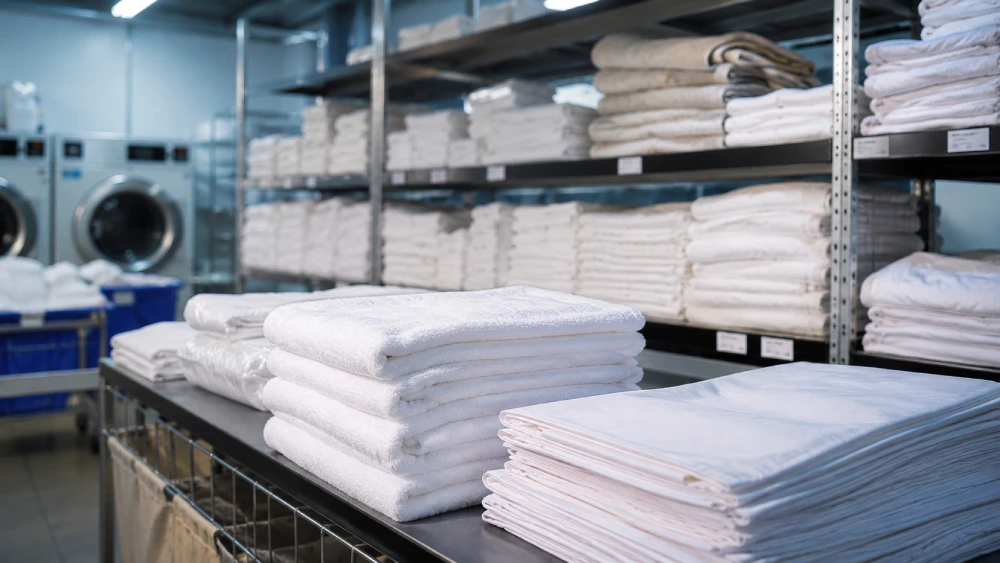
A controlled linen system combines three areas: accurate stock planning, a documented collection-and-return workflow, and clear supplier terms. Each stage must protect the correct quantity, size, quality, and ownership of every item.
Linen Logistics Control Map
| Logistics stage | Main operational risk | Required control | Evidence retained |
| Stock planning | The property owns linen but lacks complete sets | Calculate demand by bed, guest and turnover | Property stock plan |
| Room checkout | Items leave rooms without a count | Record linen by room and type | Housekeeping removal sheet |
| Dirty storage | Wet and dry linen are mixed | Separate and label each category | Dirty-linen register |
| Supplier pickup | Bags leave without acknowledgement | Count and sign every batch | Dispatch record |
| Processing | Property batches become mixed | Use traceable property identification | Batch number |
| Clean delivery | Missing items are noticed too late | Reconcile returns immediately | Return-count sheet |
| Quality check | Damp or stained items enter storage | Inspect before acceptance | Reject and rewash record |
| Clean storage | Stock absorbs moisture or disappears | Use dry, controlled shelving | Storage register |
| Room setup | Wrong sizes reach housekeeping | Issue complete room sets | Linen issue sheet |
| Final approval | The next arrival lacks essential stock | Complete a guest-ready inspection | Turnover sign-off |
| Invoicing | Charges cannot be linked to work | Match invoices to accepted batches | Invoice reconciliation |
| Owner reporting | Replacements rise without explanation | Report stock, loss and cost by property | Owner summary |
The wider Phuket property management responsibility scope should identify who counts linen, books collections, checks supplier returns, approves replacements, investigates losses, and reports costs.
Owners comparing property management services for linen and laundry logistics in phuket should look for a documented chain rather than a basic arrangement in which bags simply leave and return.
Define the Complete Linen System
The starting point is a full list of every textile required to prepare the property at maximum occupancy. Broad categories such as “sheets” and “towels” are not precise enough for stock control.
The register should distinguish:
- King, queen, double and single fitted sheets
- Flat sheets
- Duvet covers and inserts
- Standard and larger pillowcases
- Mattress and pillow protectors
- Bath, hand and face towels
- Bath mats
- Pool and beach towels
- Kitchen towels
- Cot or child bedding
- Spare blankets
- Decorative pieces owned by the property
The Phuket villa asset-protection controls should include controlled storage, linen registers, supplier handovers, loss reports, and approval before replacement stock is purchased.
Assign Responsibility at Every Handover
Most unexplained losses occur between stages rather than inside one clearly documented location. Housekeeping may blame the laundry, while the laundry’s intake count differs from the property’s dispatch record.
A reliable property management company operating workflow identifies who is responsible when linen:
- Leaves the guest room
- Enters dirty-linen storage
- Is counted for dispatch
- Is collected by the supplier
- Arrives at the laundry
- Returns to the property
- Passes quality inspection
- Enters clean storage
- Is issued to housekeeping
- Is placed in the next room setup
Each transfer should include a count or acknowledgement. A receipt showing only a total weight cannot establish where a specific sheet, towel, or protector went missing.
Protect the Next Arrival
The outgoing guest’s linen should not be the only stock available for the incoming guest. That arrangement leaves no time for stain treatment, rewashing, repairs, supplier delays, or rejection of damp items.
The Phuket villa guest-management importance becomes clear when incomplete towel sets, stained sheets, damp bedding, or a late delivery affects the arrival experience.
Guest-ready stock should already be clean, inspected, stored, and available before checkout begins. The departing batch can then support a later turnover.
Linen and laundry logistics management in Phuket: Stock
Inventory control establishes how many complete room sets a property genuinely needs. The correct level depends on occupancy, bed types, laundry timing, seasonal demand, storage space, rejection rates, and supplier reliability.
Calculate Real Property Demand
One universal stock formula cannot suit every Phuket condo, house, villa, or short-term rental. A one-bedroom apartment with weekly bookings has different requirements from a six-bedroom villa with back-to-back stays and a private pool.
Calculate demand from:
- Maximum guest occupancy
- Number and size of beds
- Sofa beds and extra beds
- Required towels per guest
- Pool or beach-towel use
- Average booking length
- Frequency of same-day turnovers
- Supplier collection schedule
- Normal return time
- Stain and damage history
- Emergency replacement needs
- Available dry storage
Owners using villa management services in phuket should receive a property-specific stock plan rather than a generic linen quantity copied from another villa.
Separate Stock by Operational Status
A total inventory number can be misleading. Stock may exist physically but remain unavailable because it is dirty, delayed, rejected, damaged, or assigned to another property.
Record these categories separately:
| Stock status | Meaning | Available for room setup? |
| In guest use | Currently fitted or issued | No |
| Clean approved | Inspected and ready | Yes |
| Reserved | Allocated to an upcoming turnover | Not for general use |
| Dirty on site | Waiting for collection | No |
| In transit | Moving to or from the supplier | No |
| At laundry | Being processed or held | No |
| Rewash | Failed stain or odour inspection | No |
| Repair | Waiting for stitching or another correction | No |
| Retired | Removed permanently from use | No |
| Emergency reserve | Protected for shortages or delays | Yes, with approval |
| Missing | Not located after reconciliation | No |
| Supplier-owned | Rented or supplied under contract | Only under agreed terms |
This status view shows why a property can own 40 towels but have only eight available for a turnover.
Set Minimum and Emergency Levels
The minimum level should cover scheduled guest use and normal supplier circulation. The emergency level should address credible disruptions without filling the property with unnecessary bulk stock.
Review:
- Largest possible room setup
- Two or more close turnovers
- Average items rejected per delivery
- Late supplier history
- Rain or transport disruption
- Extra guest requests
- Linen affected by leaks
- Pool-towel losses
- Delayed stain treatment
- Storage capacity
The Phuket short-term rental management operations should connect booking calendars with stock availability so the property does not accept a tight turnover without complete approved sets.
Control Luxury and Property-Specific Linen
Premium linen should not disappear into a shared supplier pool or return mixed with lower-grade stock. High-value sheets, towels, decorative runners, and protectors need property-level identification.
The luxury villa management inclusions may require:
- Separate premium-linen batches
- Item and size identification
- Defined pressing standards
- Stain-rejection rules
- Controlled storage
- Room-specific setup
- Replacement approval
- Owner cost reporting
A supplier should not substitute a different fabric, size, colour, or quality without permission merely because the original item is unavailable.
Separate Pool and Beach Towels
Pool and beach towels face different use conditions from bed linen. Sand, sunscreen, body oils, chlorine exposure, outdoor removal, and late returns create separate logistics and inspection needs.
A pool cleaning service in phuket may coordinate poolside readiness, but towel quantities, stains, removal, and replacement still need a separate linen record.
The Phuket beachfront villa management operations should account for:
- Sand in towel batches
- Salt residue
- Sunscreen staining
- Damp outdoor fabrics
- Additional washing frequency
- Poolside towel counts
- Off-property guest use
- Separate outdoor storage
Pool towels should use distinct bags, counts, shelving, and replacement records rather than being included under a general towel total.
Manage Condo and Apartment Stock
Condos and apartments often have less storage space than villas. Building access rules, lifts, contractor registration, key handling, and restricted collection times may also affect laundry logistics.
The Phuket condo management inclusions should connect private-unit housekeeping with linen storage, laundry collection, contractor access, inventory checks, and arrival readiness.
Owners using condominium property management services for linen logistics in phuket should establish where dirty bags wait, where clean linen is stored, and who can release stock.
The Phuket apartment rental operating workflow should connect checkout, dirty-linen removal, supplier collection, return inspection, room setup, and approval before the next occupancy.
Manage House and Vacant-Property Stock
Long-term houses may not need frequent laundry collections, but stored linen remains vulnerable to humidity, dust, pests, leaks, and unrecorded removal.
Owners using house management services for linen and laundry logistics in phuket should schedule storage inspections even when no guest turnover is due.
The manager should check:
- Storeroom humidity
- Musty odours
- Pest evidence
- Roof or plumbing leaks
- Packaging condition
- Shelf cleanliness
- Linen touching walls or floors
- Unrecorded staff access
- Stock required before the owner returns
Unused stock still needs active control. Long periods without movement can hide damage until the day it is urgently needed.
Prevent Humidity and Mould Damage
Phuket’s humidity makes full drying and protected storage essential. Linen can return looking clean while still retaining enough moisture to develop a sour or musty smell in storage.
The Phuket villa humidity and mould prevention should include linen rooms, wardrobes, cupboards, mattresses, protectors, towels, and stored fabrics.
The Phuket rainy-season villa maintenance becomes relevant when slower drying, reduced ventilation, rain exposure, and humid storage affect supplier returns.
Reject linen when it:
- Feels damp
- Smells musty or sour
- Has condensation inside packaging
- Feels unusually cool or heavy
- Transfers moisture to nearby items
- Shows new mould marks
- Has been packed before cooling and drying properly
Fragrance does not correct dampness. Suspect stock should be isolated and returned for reprocessing.
Linen and laundry logistics management in Phuket: Flow
The operating workflow controls how dirty stock leaves, how clean stock returns, and how every discrepancy is handled. Good logistics depend on counts, identification, separation, inspection, and immediate reconciliation.
Remove Linen by Room and Property
Housekeeping should record what leaves each room before items are combined into larger bags. This creates the first point of comparison if the supplier later reports a different quantity.
Record:
- Property
- Room
- Checkout date
- Item type
- Item size
- Quantity
- Visible stains
- Tears or damage
- Wet items
- Missing guest-issued items
- Person completing the count
The Phuket condo tenant handling process is relevant where linen is issued to a long-term tenant and checked again at move-out.
Damage should not automatically be assigned to the guest. The condition record must show when the problem first became visible.
Prepare the Dispatch Batch
Before collection, dirty linen should be sorted into controlled batches. Wet items, heavily soiled linen, pool towels, premium pieces, and damaged items may require different handling.
Each bag should show:
- Property identifier
- Batch number
- Collection date
- Bag number
- Item category
- Quantity
- Special treatment note
- Wet-linen warning
- Known damage
- Supplier destination
Do not use unlabelled rubbish bags for mixed property stock. A visible bag count alone does not prove what was inside.
Record the Supplier Handover
The driver or collection representative should acknowledge what was received. This does not require complicated technology, but it should create a shared starting point.
The handover record should include:
- Collection time
- Driver or representative
- Number of bags
- Property and batch numbers
- Item count or agreed intake method
- Known stains and damage
- Expected return date
- Express requirements
- Signature or digital confirmation
Owners using professional housekeeping services in phuket should expect the housekeeping count to match the supplier collection process.
Keep Clean and Soiled Stock Separate
Used linen should not share open storage, unprotected shelves, or dirty trolleys with clean stock.
Operational separation should include:
- Different bags or containers
- Different shelf zones
- Cleaned trolleys
- Protected clean deliveries
- No clean stock on floors
- No opening dirty bags near made beds
- No chemicals beside clean linen
- Separate rejected-linen storage
- Staff hand hygiene before handling finished stock
The Phuket rental-home protection controls should cover moisture, pests, contamination, poor storage, and missing inventory before these problems affect guests.
Reconcile Every Return Immediately
A delivery should not be signed as complete simply because the correct number of bags arrived.
Compare:
- Property and batch number
- Bags dispatched
- Bags returned
- Item type
- Item size
- Quantity dispatched
- Quantity returned
- Items retained for treatment
- Substituted items
- Missing items
- Rejected items
- Supplier credits
Late counting weakens the investigation. Once linen is moved into storage or issued to rooms, it becomes harder to prove whether the shortage occurred at the property, in transport, or during processing.
Returned Linen Decision Matrix
| Return condition | Classification | Required action | Stock status |
| Clean, dry and correct | Accepted | Add to approved stock | Available |
| Correct item with remaining stain | Rewash | Return with evidence | Unavailable |
| Damp or musty | Reprocess | Isolate and return | Unavailable |
| Torn but repairable | Repair | Record and send for repair | Unavailable |
| Permanently stained | Retire or review | Obtain approval | Unavailable |
| Chemically marked | Damage review | Identify responsibility | Unavailable |
| Wrong size | Substitution error | Return or reallocate properly | Unavailable |
| Another property’s item | Mixed batch | Record and return | Unavailable |
| Item missing | Short delivery | Investigate immediately | Missing |
| Supplier replacement | Replacement received | Verify quality and ownership | Available after approval |
The rental property inspection checklist should include linen stains, damp odours, towel quantities, mattress protectors, storage conditions, and final room presentation.
Inspect Before Clean Storage
Quality checks should happen before returned stock is placed on normal shelves.
Check:
- Dryness
- Odour
- Visible stains
- Seams and edges
- Holes or tears
- Chemical marks
- Colour transfer
- Correct size
- Correct property
- Pressing or folding where included
- Foreign items
- Correct quantity
A laundry receipt proves that a service was processed. It does not prove that every returned piece meets the property standard.
Control Clean Storage
Approved linen should enter a dry, enclosed and organised storage area.
Use separate, labelled zones for:
- Approved sheets by size
- Duvet covers
- Pillowcases
- Bath towels
- Pool towels
- Protectors
- Emergency reserve
- Rewash items
- Damaged items
- Supplier-owned stock
- Property-owned stock
- Items awaiting investigation
Staff should update the register when items are removed. Uncontrolled storeroom access allows stock to move without any link to a booking, room, or property.
Issue Complete Room Sets
Housekeeping should receive complete sets instead of searching shelves for individual pieces during a tight turnover.
A room issue record may show:
- Room or bedroom
- Bed size
- Sheet set
- Duvet cover
- Pillowcases
- Mattress protector
- Bath-towel quantity
- Hand towels
- Bath mat
- Pool towels where required
- Spare bedding
- Person receiving the set
The Phuket Airbnb rental management framework should link booking schedules, linen rotation, housekeeping tasks, laundry returns, inventory checks, and fast correction of shortages.
An airbnb property management housekeeping and laundry logistics in phuket process should prevent a booking from being marked ready until the correct linen and towel quantities are confirmed.
Complete the Guest-Ready Check
A final check should verify the linen after beds and bathrooms are prepared.
Confirm:
- Correct fitted-sheet size
- Complete duvet setup
- Clean pillowcases
- Protectors in place
- No visible stains
- No damp odour
- Correct towel quantities
- Pool towels where promised
- Spare bedding where required
- No rejected item used accidentally
A 24 hour check-in service in phuket should receive confirmation before a late-night arrival. The guest-support team should not discover a missing towel set or damp bed linen while the guest waits.
Coordinate Outdoor Readiness
Outdoor conditions can affect pool and beach towels, entrance mats, kitchen textiles used near terraces, and fabric items placed around garden seating.
A garden maintenance service in phuket can coordinate fallen leaves, mud, irrigation leaks, wet pathways, and outdoor areas that may soil fresh textiles before arrival.
Outdoor linen should not be placed until the relevant surfaces are dry and ready. Otherwise, the property may need another replacement set before the guest has even checked in.
Plan Back-to-Back Turnovers
The Phuket Airbnb villa-owner support should connect bookings, housekeeping, linen dispatch, supplier returns, room setup, and arrival approval.
A same-day turnover should use clean stock that was already approved before the previous guest checked out.
The timeline should allow for:
- Checkout inspection
- Dirty-linen count
- Room cleaning
- Maintenance review
- Clean-stock issue
- Bed and bathroom setup
- Linen inspection
- Re-cleaning where needed
- Final guest-ready approval
The laundry return from that day’s checkout belongs to a future stock cycle, not the immediate arrival plan.
Report to Remote Owners
The Phuket villa support for overseas owners should provide more than a monthly laundry total.
A useful report shows:
- Opening stock
- Linen in guest use
- Clean available stock
- Stock at laundry
- Rewash items
- Damaged items
- Missing items
- New purchases
- Supplier credits
- Laundry charges
- Express charges
- Turnovers supported
- Closing stock
The Phuket remote villa-owner risks include repeated replacement spending, poor storage, supplier delays, and missing stock that remain invisible without local checks.
Track Supplier Performance
The property management performance tracking should include operational measures rather than relying only on general impressions.
Track:
- On-time collections
- On-time returns
- Batch-count accuracy
- Missing items
- Mixed-property returns
- Damp-linen rejects
- Stain-rewash rate
- Damage after processing
- Invoice corrections
- Express-service failures
- Credits received
- Complaints linked to linen
- Emergency stock used
A pattern of late returns may require more reserve stock, a revised pickup time, or a different supplier arrangement. One isolated delay should not be treated the same as a repeated service failure.
Linen and laundry logistics management in Phuket: Terms
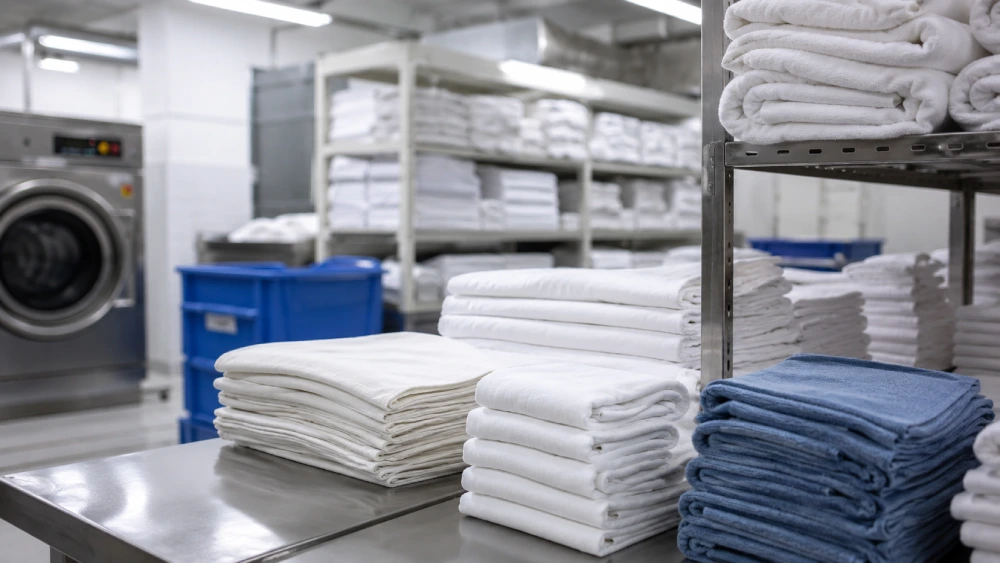
Written terms prevent disputes over timing, quality, charges, losses, and replacement responsibility. The agreement should reflect the property’s real turnover pattern rather than relying on informal promises made at collection.
Define the Service Scope
The Phuket property management contract structure should define the management company’s role and the laundry supplier’s separate responsibilities.
The service scope should state whether it includes:
- Collection
- Washing
- Drying
- Folding
- Pressing
- Stain treatment
- Repairs
- Packaging
- Sorting by property
- Sorting by item and size
- Return delivery
- Express processing
- Rewash
- Replacement items
- Emergency deliveries
- Storage
- Inventory reporting
A phrase such as “full laundry service” is too vague when ironing, delivery, stain work, or sorting may cost extra.
Clarify Per-Kilogram and Per-Item Billing
Per-kilogram pricing can be practical for wash, dry and fold services. Per-item pricing may provide clearer control for sheets, duvet covers, premium linen, or pressed pieces.
The agreement should explain:
- Whether weight is measured dry or on receipt
- Whether wet items affect the charged weight
- Which items use per-piece pricing
- Whether pressing is included
- Whether collection has a minimum charge
- Whether delivery is included
- Whether urgent processing costs extra
- How rewashes are charged
- How supplier-caused damage is credited
- How taxes and other fees appear
Weight supports billing. Item counts support inventory. A property using only one of these controls may still struggle to verify shortages or invoice accuracy.
Define Turnaround Without Assumptions
Same-day and next-day services may be available, but the property should rely on its written arrangement rather than general local expectations.
Record:
- Collection cut-off
- Standard return window
- Express return window
- Weekend arrangements
- Holiday arrangements
- Maximum batch volume
- Areas covered
- Notice required
- Delay notification
- Emergency contact
- Treatment time for stains
- Procedure for incomplete returns
The provider should not promise guests a turnaround that the supplier has not accepted for the specific batch.
Define Acceptance and Rewash Standards
Returned linen should have clear acceptance criteria.
Reject or review items when they are:
- Damp
- Musty
- Visibly stained
- Torn
- Chemically marked
- Incorrectly pressed where pressing was ordered
- The wrong size
- From another property
- Missing from the batch
- Packaged unsafely
- Mixed with dirty stock
The agreement should explain whether a failed item receives a free rewash, a credit, a repair, a replacement, or further investigation.
Define Loss and Damage Responsibility
Responsibility should follow evidence.
Record the linen condition:
- At guest checkout
- During housekeeping removal
- Before supplier dispatch
- At supplier intake
- On return
- During room setup
This timeline helps distinguish guest damage, housekeeping handling, supplier processing, normal wear, and an unexplained loss.
Replacement should not be approved simply because an item cannot be found during the next turnover. The property should first check storage, dispatch, supplier intake, retained treatment stock, other properties, and housekeeping records.
Verify Supplier Capacity
Traveller-facing wash-and-fold services may be useful for clothes but do not automatically have the systems required for property linen.
Before regular use, check whether the supplier can manage:
- Large sheets and duvet covers
- Mattress protectors
- Heavy bath towels
- Pool towels
- Property-separated batches
- Item counts
- Size identification
- Commercial quantities
- Stain treatment
- Pressing requirements
- Collection deadlines
- Return inspections
- Credits for shortages
- Emergency processing
A trial batch can reveal counting accuracy, turnaround, folding, dryness, odour, stain handling, communication, and invoice clarity before the property commits larger volumes.
Build a Backup Plan
A supplier failure should not immediately stop a guest arrival.
The contingency plan can include:
- Approved reserve stock
- A backup supplier
- A staff collection option
- Alternative storage
- Emergency replacement authority
- Priority room allocation
- Owner approval limits
- Guest communication steps
- Repair or leak response
- Updated stock alerts
The backup plan should address credible delays without making unsupported promises about island-wide same-day service.
Cover Phuket Locations Practically
Linen and laundry collection must account for access, traffic, property entry, security, and housekeeping schedules. Coverage should be based on the provider’s real ability to collect, return, inspect, and correct problems.
PEARL Phuket Property supports coordination across:
- West Phuket: Bang Tao, Surin, Kamala, Patong, Kata and Karon
- South Phuket: Rawai, Nai Harn, Ya Nui, Friendship Beach, Chalong and Saiyuan
- North and central Phuket: Mai Khao, Laguna, Kathu, Thalang and Cherng Talay or Choeng Thale
- Other areas: Surrounding villa, condo, house and rental locations across Phuket
Available across Bang Tao, Rawai, Nai Harn, Kamala, Surin, Patong, Chalong, Kata, Karon, Mai Khao, Laguna, Kathu, Thalang, Cherng Talay, and surrounding areas in Phuket.
The correct question is not whether a company claims island-wide coverage. It is whether it can meet the property’s collection window, return deadline, batch-control requirements, and emergency needs in that area.
Stop Linen Shortages Before Check-In
Linen and laundry logistics management in Phuket should give owners one traceable record from room removal to the next guest-ready setup. PEARL Phuket Property can help fix your linen and laundry logistics in phuket with stock planning, supplier handovers, return checks, moisture control, and owner reporting. This reduces shortages without forcing the owner to count every towel personally. We manage. You relax.
FAQs
Can Linen and Laundry Logistics Track Rented Stock?
Linen and laundry logistics should distinguish rented items from property-owned stock at every stage. The register should show the supplier, item type, quantity, issue date, return obligation, damage terms, and current location. Mixing rented and owned linen makes replacement responsibility difficult to establish. The property should also record substitutions so a supplier-owned sheet is not mistaken for a permanent addition to the owner’s inventory.
Can Linen and Laundry Logistics Track Rented Stock?
Yes. Linen and laundry logistics should record rented stock separately from property-owned items. The register should include the supplier, item type, quantity, delivery date, current location, return conditions and damage responsibility. Any temporary substitution should also be recorded so rented sheets or towels are not accidentally counted as permanent owner inventory.
What Happens When Another Villa’s Linen Is Delivered?
Management should isolate the incorrect sheets or towels instead of using them to cover a shortage. The delivery record should identify the batch, property, item type, size, quantity and any visible ownership mark. The laundry provider must then correct the allocation while management checks whether the villa’s original linen was delivered to another property.
Is Laundry Weight Enough for Inventory Control?
Weight may be suitable for calculating supplier charges, but it cannot confirm which individual items were returned. Heavy towels can conceal missing sheets, and damp linen may increase the recorded weight. Properties should therefore combine billed weight with item-level counts, including sizes and categories, to verify deliveries, investigate shortages and reconcile supplier invoices accurately.
How Should Sensitive Detergent Requests Be Managed?
Fragrance-free or sensitive-skin requests should be recorded against the booking and communicated before the linen leaves the property. The laundry provider must confirm whether it can process the batch separately and prevent contact with standard products. Management should not promise an allergy-safe result unless the provider can document its handling procedures, limitations and contamination controls.
What Should Management Do About a Stain Reported After Check-In?
The affected item should be replaced promptly so the guest does not have to continue using it. Management should photograph the stain and compare it with the laundry-return inspection and room-setup records. This evidence can help determine whether the mark was missed during quality control or appeared after arrival without delaying the immediate guest-service response.
When Should Rental Linen Be Removed From Service?
Linen should be retired when cleaning or reasonable repair can no longer restore it to the property’s approved standard. Common reasons include permanent stains, thinning fabric, repeated tears, chemical damage, persistent odours or poor absorbency. The retirement record should state the item, reason, date, replacement approval and any supplier credit or damage responsibility.
How Should a Property Handle a Laundry Supplier Closure?
The manager should confirm the closure period, activate approved reserve stock and review all upcoming turnovers immediately. Before sending linen elsewhere, any backup provider should be assessed for capacity, batch separation, item counting, quality checks and delivery timing. The owner should also be informed when emergency processing, transport or replacement purchases exceed existing approval limits.